Latest Stories
Most recently published stories on Vocal.
Understanding the Insurrection Act and the Role of Federal Officers in the United States
**Understanding the Insurrection Act and the Role of Federal Officers in the United States** The Insurrection Act is one of the most powerful and controversial laws in the United States, granting the president authority to deploy federal forces inside the country under specific circumstances. In recent years, public interest in this law has grown significantly, especially during periods of civil unrest, political tension, and nationwide protests. Questions about federal officers, presidential power, and constitutional limits have become central to public debate.
By America today 15 days ago in Earth
Nitrogen is necessary for young tropical rain forests to combat climate change.
By absorbing carbon dioxide from the atmosphere and storing it in wood, tropical rainforests contribute to the slowing of climate change. Forests that develop quickly are even more important because they absorb carbon more quickly.
By Francis Dami15 days ago in Earth
Jared Jenkins on Dance, Longevity, and Moving With Purpose on a Global Stage
Jared Jenkins has spent more than 15 years shaping movement at the highest levels of the entertainment industry. A globally respected dancer and choreographer, Jenkins most recently toured with Brandy and Monica on The Boy Is Mine Tour, contributing to a live production that carried both cultural significance and emotional resonance for audiences worldwide.
By Tammy Reese15 days ago in Beat
7 Amazing Books To Help Improve Your Critical Thinking. AI-Generated.
In a world overflowing with information, opinions, and half-truths, critical thinking is no longer a “nice-to-have” skill—it’s essential. Every day, we’re asked to evaluate news headlines, make financial decisions, assess workplace strategies, and navigate complex social issues. Without strong critical thinking skills, we risk accepting flawed arguments, falling for misinformation, or making decisions that don’t serve our long-term goals.
By Diana Meresc15 days ago in BookClub
What's Waking Up the Housing Market?
A lot of us expected the housing market to look a little bit different from what it currently does. For those of us who bought between 2019 and 2022, we saw interest rates go from about 3% up to 6% and now even higher. We were hoping that by buying at the 5% mark, we could refinance now to the 3% mark or even lower. However, I feel like the 3% interest rate era is long gone. Those of us who got in before the 7% and 8% increase probably got a better deal, but we might be stuck here a while.
By Tammy Emineth15 days ago in Journal
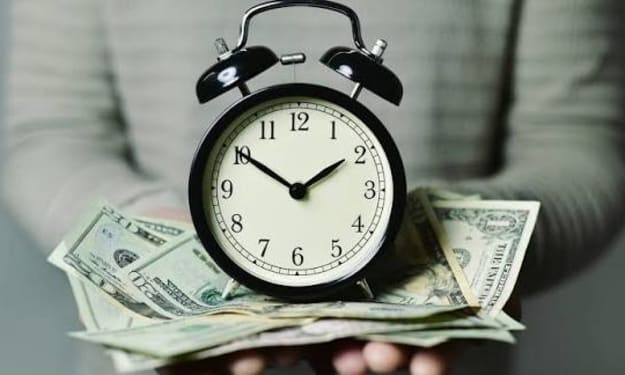
Time Management Vs Money Management
In today’s fast-paced world, two skills are often highlighted as essential for success: time management and money management. Both are considered pillars of a productive and stable life, yet people frequently debate which one matters more. Is it better to manage your time perfectly or to handle your money wisely? The truth is that both are deeply connected, but they play different roles in shaping personal growth, career success, and long-term happiness.
By shaoor afridi15 days ago in Lifehack
When a Request for Evidence Changes the Direction of an Immigration Case
For many people navigating the United States immigration system, a Request for Evidence can arrive unexpectedly. The notice often brings worry, even when the application has been prepared carefully. In reality, an RFE is a pause in the review process, not a rejection. It signals that an officer needs more clarity before moving forward.
By Sheila Danzig15 days ago in Writers
Stock Market Today: Nasdaq Futures Rise; Oil Skids After Trump Dials Down Iran Tension. AI-Generated.
If you’ve been following the markets this week, you’ve probably noticed how sensitive traders are to geopolitical headlines. On Thursday, Nasdaq futures rose, while oil prices dropped after U.S. President Donald Trump made remarks that dialed down fears of immediate military escalation with Iran. It’s a classic example of how news can move multiple markets at once — tech stocks climbing while commodities react in the opposite direction. Nasdaq Futures Bounce Back Technology and growth-focused stocks led the recovery in futures trading. Nasdaq futures climbed, signaling that investors are regaining confidence after recent volatility. Many traders have been cautious, with some taking profits from high-flying tech names, but today’s rebound shows that market optimism is returning. Corporate earnings are a big factor here. Several tech giants, including semiconductor and software companies, have beaten analyst expectations in recent weeks. These results support longer-term growth narratives, giving investors confidence that the tech sector can continue to outperform even amid economic uncertainty. For anyone watching the markets, this is a reminder: futures are forward-looking indicators. When traders see signs of stabilization — like reduced geopolitical tension or strong earnings — markets often react positively before the official trading session even begins. Oil Prices Fall Amid Eased Tensions On the flip side, oil prices skidded. The energy market had been pricing in potential supply disruptions due to the tension with Iran, particularly in critical regions like the Strait of Hormuz. But after Trump’s comments, traders interpreted a lower risk of military conflict, and crude futures dropped sharply. West Texas Intermediate (WTI) and Brent crude both saw declines of around 4–5%, as investors adjusted their positions. This shows how geopolitical risk premiums can inflate commodity prices — and how quickly they can disappear once the perceived threat diminishes. Lower oil prices are a double-edged sword. On one hand, cheaper fuel eases costs for consumers and businesses. On the other, energy companies and oil-exporting nations may face pressure on revenue and profits if prices remain soft. Why Geopolitics Moves Markets The Middle East continues to be a major driver of global market sentiment. Even the possibility of conflict in oil-rich regions can make investors nervous, sending equities lower and commodities higher. Conversely, statements that calm these fears can produce quick rebounds in risk assets like stocks and a decline in commodities like oil. This week’s developments show just how reactive the markets have become. A single remark from a world leader — in this case, Trump — can shift risk perception and trigger immediate moves across multiple asset classes. Earnings and Economic Data Still Key While geopolitical headlines dominate daily moves, corporate earnings and economic data remain critical for long-term market trends. Financial giants like Morgan Stanley recently reported results that beat expectations, boosting their stock prices and reinforcing positive sentiment in the sector. Investors are paying close attention to these fundamentals. Earnings reports and macroeconomic indicators provide insight into underlying trends, helping traders separate short-term volatility from sustainable growth. What Investors Should Watch For stock investors: The rebound in Nasdaq futures suggests that growth and technology stocks are finding support, but volatility is still high. Active risk management and portfolio diversification remain essential. For energy markets: Today’s slump in oil prices highlights how commodities react to geopolitical sentiment. Traders should watch for developments in the Middle East, as any escalation could reverse the decline in prices almost immediately. For global markets overall: Investors must balance multiple narratives — geopolitical events, corporate earnings, economic data, and interest rate expectations. This interplay shapes risk appetite and influences how capital flows across sectors and regions. The Takeaway Today’s market action illustrates a broader theme: markets are highly sensitive to shifts in risk perception. When geopolitical tension eases, equities tend to rise, and risk-sensitive commodities like oil fall. But when threats reappear, sentiment can flip, reminding investors that global markets are dynamic and interconnected. This combination of Nasdaq gains and falling oil prices isn’t just about numbers — it’s about investor psychology, risk management, and the speed at which news travels in our global economy. The lesson is clear: staying informed and flexible is more important than ever for anyone participating in today’s markets.
By Muhammad Hassan15 days ago in Earth
How Karol G Chose Memory Over Hits and Won Hearts Worldwide
From Medellín stages to the Vatican, Karol G says her June album Tropicoqueta dug into Colombian memory and split opinions. In Rolling Stone, she explains why nostalgia, family dances, and women’s safety work now define her global rise this year.
By Dena Falken Esq15 days ago in Geeks