Latest Stories
Most recently published stories on Vocal.
❤️Overcoming the Pain of Cancer and Learning to Learn: Alchemy of Yin and Yang Style
It starts with love. . . My Body as Enemy: Tales of Cancer Struggles As I try to survive cancer again, I remember my dystopian childhood and the pains in my body. I had defeated cancer and felt invincible, however, my body started to shut down again, so I sensed that my cancer had returned
By SAMURAI SAM AND WILD DRAGONS9 days ago in Motivation
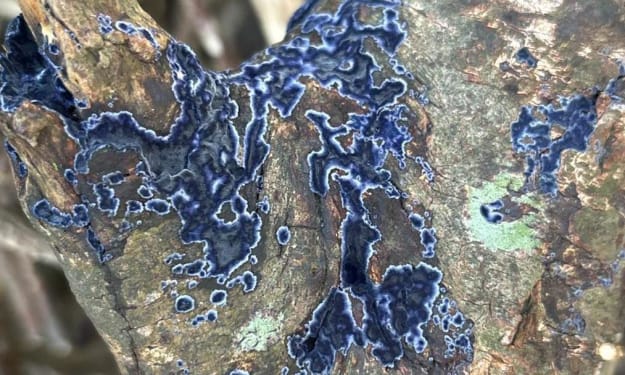
Rare Fungus Spotted for First Time in 50 Years. AI-Generated.
Scientists have confirmed the discovery of a rare fungus species that had not been seen in the wild for more than half a century, marking a major breakthrough in biodiversity research and conservation science. The fungus, believed to have vanished due to habitat loss and environmental changes, was found during a routine ecological survey in a remote forest region. Researchers described the find as “extraordinary,” noting that many species disappear quietly without ever being rediscovered. The reappearance of this fungus offers new hope for conservation efforts and raises important questions about what other organisms may still survive undetected. A Surprise Discovery The fungus was identified by a team of mycologists conducting a long-term study of forest ecosystems. While collecting soil and plant samples, researchers noticed unusual fruiting bodies growing on decaying tree bark. Laboratory analysis later confirmed it was the same species last recorded in the early 1970s. “It was completely unexpected,” said one of the lead scientists involved in the study. “We assumed this species was either extinct or extremely close to it. Finding it again shows how little we still know about fungal diversity.” The fungus is known for its distinctive pale coloring and fragile structure, which makes it difficult to detect. It only appears under very specific environmental conditions, including high humidity, stable temperatures, and the presence of certain tree species. Why It Disappeared Experts believe the fungus vanished from records due to deforestation, climate shifts, and pollution. Fungi are especially sensitive to changes in moisture and soil chemistry. Even small alterations in forest environments can disrupt their life cycles. In the decades following its last sighting, large areas of woodland were cleared for agriculture and development. The loss of old-growth trees removed the fungus’s natural habitat, making survival difficult. Climate change may have played a role as well. Warmer temperatures and unpredictable rainfall patterns likely reduced the narrow window in which the fungus could grow and reproduce. Importance to the Ecosystem Although small and easily overlooked, fungi play a critical role in ecosystems. They break down organic matter, recycle nutrients, and form symbiotic relationships with plants. This rare species is believed to help decompose specific types of hardwood, contributing to soil health and forest regeneration. “This fungus is part of a hidden network that supports entire ecosystems,” explained a forest ecologist. “Its return suggests the environment may be recovering in subtle ways.” Scientists are now studying the fungus’s genetic makeup to understand how it survived for so long undetected. Some believe it may have adapted to new conditions or retreated into isolated microhabitats. Conservation Implications The rediscovery highlights the importance of protecting remaining natural forests. Conservation groups argue that this finding proves even heavily impacted environments can still shelter rare life forms. Following the discovery, local authorities announced plans to limit logging and increase monitoring in the area. The site where the fungus was found will likely be designated a protected research zone. Environmental organizations welcomed the news but warned that protection must be long-term. “One rediscovery does not mean the species is safe,” said a conservation spokesperson. “It means we have been given a second chance.” A Growing Trend of Rediscoveries The fungus is not the only species to reappear after decades of absence. In recent years, scientists have rediscovered rare frogs, birds, and insects once thought extinct. Improved technology, satellite mapping, and DNA analysis have made it easier to identify species in hard-to-reach locations. However, experts caution that such success stories are rare compared to the number of species quietly disappearing each year. “Rediscoveries make headlines, but extinction happens every day without notice,” said a biodiversity researcher. “This is why protecting habitats is so urgent.” Public Interest and Scientific Curiosity News of the fungus’s return has sparked excitement among scientists and nature enthusiasts alike. Social media images of the tiny organism have circulated widely, drawing attention to fungi as an often-ignored part of biodiversity. Schools and universities are already discussing the discovery in biology classes as an example of resilience and the importance of field research. For scientists, the fungus offers a valuable opportunity to study long-term survival under environmental stress. Understanding how it endured decades of change could help researchers predict which species are most likely to survive future climate challenges. What Happens Next Researchers will continue to monitor the area over the coming months to see if more specimens appear. They plan to map its distribution and analyze soil and tree conditions to understand why it survived there. Strict guidelines have been issued to prevent tourists or collectors from disturbing the site. Scientists stress that human interference could easily destroy the fragile population. “This fungus survived half a century in silence,” said one researcher. “Our responsibility now is to make sure it does not disappear again.” A Symbol of Hope The rediscovery of the rare fungus serves as a powerful reminder that nature still holds secrets, even in a world shaped by human activity. It also underscores the need for patience, protection, and respect for ecosystems that operate beyond human notice. While many environmental stories focus on loss, this one offers a rare moment of hope. A species once thought gone has quietly returned, proving that life can persist even under the most challenging conditions. For scientists and conservationists, it is not just a scientific achievement—it is a call to safeguard what remains before more wonders vanish unseen.
By Fiaz Ahmed 9 days ago in Longevity
Reversing Aging
Aging is a natural process, but what if we could slow it down — or even reverse it? The quest for youth and longevity has fascinated humanity for centuries, and today, science is making remarkable strides in understanding how we age and how we might turn back the clock. Let’s explore the latest breakthroughs, practical strategies, and future possibilities of reversing aging.
By Gustavo Woltmann9 days ago in Chapters
The Harmless Detail
Wisdom is in the little details. 🌹🧠🩸 It started with a small rose-like patch on his skin. Reddish-brown, almost like a little tattoo that had etched itself on Barry Leong's right wrist. He glanced at it, barely, then paid it no mind. It itched, very slightly. Nothing worth discussing at the dinner table. Too unnoticeable to interrupt the day.
By Michelle Liew Tsui-Lin9 days ago in Fiction
20 Quotes
Throughout history, great minds have shared words of wisdom that continue to inspire and guide us. From leaders and scientists to writers and artists, these figures have left an enduring impact through their words. Here are 20 powerful quotes from some of the most well-known people in history.
By Gus Woltmann9 days ago in Chapters