Latest Stories
Most recently published stories on Vocal.
Author's Notes: Puss's Boots
Puss's Boots. This story is over ten years old, over 475 years old, and over thirty years old. As a child, I fell in love with a picture book of Puss-in-Boots; I loved the simple, colourful, elegant faux-Medieval art designs even more than the story. Years later, I studied history thrive fashion, and this one book still lives with me. I wrote this story three times; it was my first original fairytale, and my first original queer story.
By Dionearia Red8 days ago in Writers
Roses Are Red, Violets Are Blue: Why Valentine’s Day Flowers Need a Redo. AI-Generated.
For decades, Valentine’s Day has been defined by a familiar ritual: bouquets of red roses wrapped in cellophane, paired with a card and perhaps a box of chocolates. While the tradition remains deeply ingrained in romantic culture, florists, environmental advocates, and consumers alike are beginning to question whether the holiday’s floral customs are outdated, unsustainable, and lacking in imagination. Each year, millions of roses are flown across continents to meet demand for February 14. Most of these flowers are grown in countries such as Kenya, Ecuador, and Colombia, then transported to Europe and North America in refrigerated cargo planes. By the time they reach shops, their carbon footprint is significant. According to industry estimates, Valentine’s Day accounts for one of the largest spikes in annual flower imports, with environmental costs rarely considered by buyers. Climate experts argue that the romance of roses comes with a hidden price. Energy-intensive greenhouses, chemical fertilizers, and long-distance shipping contribute to emissions and water use in already vulnerable regions. “We’ve turned flowers into a global commodity that travels thousands of miles for a single day of use,” said one sustainability researcher. “It’s emotionally meaningful but environmentally inefficient.” The Human Cost of Cheap Blooms Beyond environmental concerns, labor conditions in flower-growing regions have drawn scrutiny. Workers often face long hours, low pay, and exposure to pesticides during peak seasons such as Valentine’s Day and Mother’s Day. Advocacy groups have called for greater transparency in flower supply chains and stronger certification systems that ensure fair wages and safer working environments. While some farms have adopted ethical standards and eco-labels, these remain the exception rather than the rule. Consumers, critics say, are rarely aware of where their flowers come from or under what conditions they were produced. A Shift in Taste and Meaning At the same time, cultural attitudes toward Valentine’s Day are evolving. Younger generations are increasingly skeptical of rigid romantic scripts and mass-produced symbols of affection. Many see traditional red roses as predictable, expensive, and disconnected from personal expression. Florists report growing interest in alternative arrangements: seasonal wildflowers, dried bouquets, potted plants, and even edible gifts such as herb baskets or fruit trees. These options are often more sustainable and last far longer than cut roses that wilt within days. “People want something that reflects their partner’s personality, not just a cliché,” said a florist in London who has replaced imported roses with locally grown winter blooms. “A bouquet of winter branches and greenery can be just as beautiful and far more meaningful.” Some couples are abandoning flowers altogether in favor of shared experiences, charitable donations, or handmade gifts. The shift suggests that romance is being redefined from spectacle to intention. The Role of Social Media Social media has played a paradoxical role in both reinforcing and challenging floral traditions. Platforms such as Instagram and TikTok have long celebrated extravagant bouquets as symbols of devotion. Viral images of luxury arrangements have driven competition and consumer pressure, encouraging larger and more expensive purchases. Yet those same platforms have also fueled a counter-movement. Sustainability influencers and florists promote “slow flowers,” a philosophy that emphasizes seasonal, local, and chemical-free blooms. Tutorials on creating minimalist or reusable floral gifts have gained traction, especially among environmentally conscious audiences. Industry at a Crossroads The global flower industry now faces a crossroads between tradition and transformation. Some large retailers have begun offering eco-certified bouquets and highlighting the origins of their flowers. Others are experimenting with carbon-offset programs and recyclable packaging. Still, critics argue that these changes remain cosmetic unless demand itself shifts. Valentine’s Day, they say, exposes the tension between emotional symbolism and modern awareness of environmental and ethical responsibility. Economists also note that price inflation has affected the holiday ritual. Rising transportation costs and climate-related crop disruptions have made roses more expensive. In some markets, prices double or triple during the Valentine’s period, pushing consumers to seek alternatives. Redefining Romance Supporters of reform insist that updating Valentine’s flowers does not mean abandoning romance. Instead, it means aligning love with values such as care, sustainability, and authenticity. A locally grown bouquet, a living plant, or even a handwritten note may better reflect long-term commitment than a mass-imported rose. Cultural historians point out that Valentine’s traditions have always evolved. The red rose itself only became dominant in the 20th century, shaped by marketing and global trade. There is nothing fixed about today’s customs. “Romance is not about what you buy,” said one social commentator. “It’s about what you communicate. And communication can take many forms.” A New Valentine’s Symbol? As awareness grows, Valentine’s Day flowers may undergo a quiet transformation. Instead of uniform red roses, future celebrations could feature diverse, personal, and eco-friendly expressions of affection. Whether through locally sourced blooms, reusable gifts, or creative alternatives, the message remains the same: love can still be celebrated — just with fewer clichés and a lighter footprint. In an age defined by climate anxiety and changing social values, even something as simple as a bouquet is being reimagined. Roses may still be red and violets still blue, but the meaning of Valentine’s flowers is slowly being rewritten.
By Fiaz Ahmed 8 days ago in Longevity
The Silent Struggle: Understanding the "Non-Proactive" Heart of a Woman
In the world of emotions, everyone eventually encounters a period of agonizing hesitation—especially when "holding on" becomes the dominant theme of the heart. For many women, affection is a delicate and deep-rooted tapestry. Even when a relationship reaches its breaking point, truly letting go is rarely a clean break.
By Elena Vance 8 days ago in Humans
Rabbi Sarah Hronsky, Interfaith Cooperation and Social Justice: Hunger, Homelessness, and Durable Partnership
Rabbi Sarah Hronsky is Senior Rabbi of Temple Beth Hillel, serving since July 2003 after ordination at Hebrew Union College–Jewish Institute of Religion in Los Angeles. She holds master’s degrees in Hebrew Letters and Jewish Communal Service and is a Fellow of the Shalom Hartman Institute’s Rabbinic Leadership Initiative. She is the President of the Los Angeles Council of Religious Leaders and Immediate Past President of the Board of Rabbis of Southern California. Honored with the 2023 Los Angeles Pioneer Women Award, she focuses on interfaith dialogue and social justice, including homelessness, and serves on the North Hollywood Interfaith Food Pantry Board.
By Scott Douglas Jacobsen8 days ago in Interview
Do I Need a Break?
Do I need a break? From what, exactly? I’ve been asked that question recently, and I didn’t know how to answer it right away. Not because the answer wasn’t there but because it felt layered. Complicated. Like something I hadn’t fully sat with yet.
By Nkwenkwezi Mgebisa8 days ago in Journal
A Key Guide to Mental Health Residential Treatment in California
Mental health residential treatment offers a comprehensive approach to managing serious or persistent mental health conditions. Unlike outpatient therapy, residential programs provide a fully immersive environment where patients can focus entirely on recovery. With access to trained professionals, structured routines, and supportive communities, individuals can develop the skills and strategies necessary for long-term mental wellness. These programs are especially beneficial for those who have struggled with multiple treatment attempts or require intensive care due to the complexity of their conditions.
By Ellen Sammy8 days ago in BookClub
After ‘Good Start’, Iran and U.S. Resolve to Keep Talking. AI-Generated.
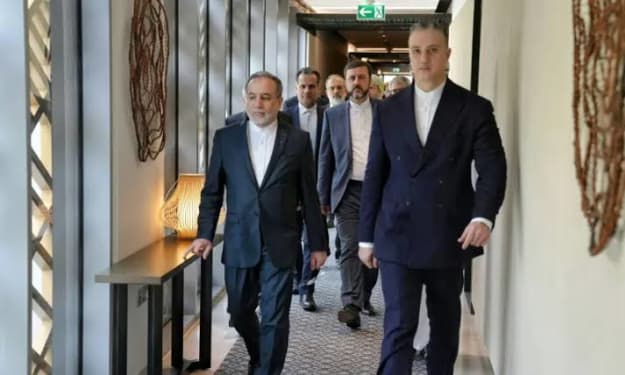
In what diplomats are calling a cautious but meaningful step toward easing one of the Middle East’s most persistent geopolitical conflicts, Iran and the United States agreed this week to continue indirect nuclear negotiations after describing an initial round of talks in Oman as a “good start.” While no breakthrough agreement was reached, the tone from both sides reflects a mutual — if tentative — interest in keeping channels of communication open amid deep divisions over Tehran’s nuclear program and broader regional security concerns. Reuters The discussions, held Friday in Muscat and facilitated by Oman’s foreign ministry, were the first substantive indirect talks between the two countries since hostilities escalated following a short but intense conflict last year. Neither Tehran nor Washington announced concrete concessions, but both indicated that follow-up conversations would take place after further consultations in their respective capitals. Khaleej Times A Fragile Diplomatic Opening Iran’s Foreign Minister, Abbas Araghchi, described the meetings as a “good start” but stressed that dialogue requires restraint from external pressures. Speaking after the conclusion of the session in Muscat, Araghchi said that Iranian and U.S. officials had “exchanged views in a positive atmosphere” and that there was an “understanding on continuing the talks.” He added that the specific arrangements for the next round would be determined after further consultation at home. Apa.az Araghchi reiterated Tehran’s position that Iran would focus discussions strictly on its nuclear activities, rejecting attempts to broaden the agenda to include issues such as ballistic missiles, regional proxy relationships, or Iran’s domestic human rights record — matters that Washington has insisted should be part of any comprehensive dialogue. Khaleej Times For the United States, the talks offered an opportunity to engage Iran diplomatically while maintaining pressure on areas of disagreement. President Donald Trump’s administration sent a delegation that included senior envoys and advisers, underscoring Washington’s interest in preventing further escalation that could draw in regional powers or lead to broader conflict. Reuters The Context: Tensions and Calculations The backdrop for the Muscat talks remains highly charged. In mid-2025, U.S. and Israeli forces conducted airstrikes against Iranian nuclear facilities, prompting retaliatory missile attacks and sparking fears of a wider regional war. In response, the United States significantly increased its military presence in the region, deploying carrier groups and fighter jets to waters near Iran, reinforcing U.S. bases and air defenses. Khaleej Times Amid this security environment, both sides have had reason to seek some form of diplomatic engagement. For Tehran, economic challenges intensified by sanctions and internal unrest have heightened the appeal of negotiations that might eventually lead to relief from punitive measures. For Washington, reducing the risk of direct confrontation at a time of broader global tensions — including conflicts in Europe and the Middle East — has been a strategic priority. Reuters Despite their willingness to talk, fundamental disagreements persist. Iran maintains that its nuclear program is for peaceful purposes and insists on its sovereign right to enrich uranium at levels that the U.S. finds unacceptable. Washington, meanwhile, wants verifiable limits on enrichment and greater transparency in Iran’s activities but has so far not secured agreement from Tehran on these points. Khaleej Times Mixed Signals and Sanctions Complicating diplomatic efforts, Washington continued to impose sanctions even as talks took place. On the same day that negotiators met in Oman, U.S. authorities announced punitive measures targeting individuals, companies, and vessels linked to Iran’s petroleum exports and maritime trade networks. These actions underscore the Trump administration’s dual approach of pursuing diplomacy while maintaining economic pressure. Khaleej Times Iranian officials have publicly criticized what they view as persistent pressure tactics, calling for an environment free of threats and sanctions if negotiations are to proceed constructively. Araghchi and his delegation emphasized that Iran would participate in discussions only if they were framed around mutual respect and refraining from coercion. news.cgtn.com Regional and International Reactions Regional actors and global observers have watched the Muscat talks closely. Oman’s role as mediator highlights its long-standing diplomatic position and its ability to serve as a neutral ground for sensitive negotiations. Officials from the Gulf Cooperation Council and European capitals have expressed cautious optimism, stressing that even preliminary dialogue is preferable to further escalation. Khaleej Times Russia, an ally of Tehran, also has called for restraint and encouraged continued engagement, though it maintains its own complex relationship with Washington over issues ranging from Ukraine to Middle East security dynamics. Reuters Looking Ahead As both sides return to their capitals to consult advisers and leadership, future talks are expected to be slow and careful. Observers emphasize that the initial “good start” does not guarantee rapid progress. Deep mistrust — rooted in years of conflict, sanctions, and competing strategic goals — will challenge negotiators as they explore possible areas of compromise. Khaleej Times Regardless, the decision to continue diplomatic engagement marks a notable departure from periods of outright hostility and silence. For now, Tehran and Washington appear to share an interest in keeping the dialogue alive — even if the road ahead toward a lasting agreement remains long and uncertain.
By Fiaz Ahmed 8 days ago in The Swamp