Latest Stories
Most recently published stories on Vocal.
The Life I Almost Chose
There are moments in life that don’t look important while they’re happening. They don’t arrive with dramatic music or flashing lights. They come quietly — disguised as ordinary choices. A job offer. A relationship. A city. A “yes” or a “no.”
By Aiman Shahid3 days ago in Confessions
The Frequency of Solitude
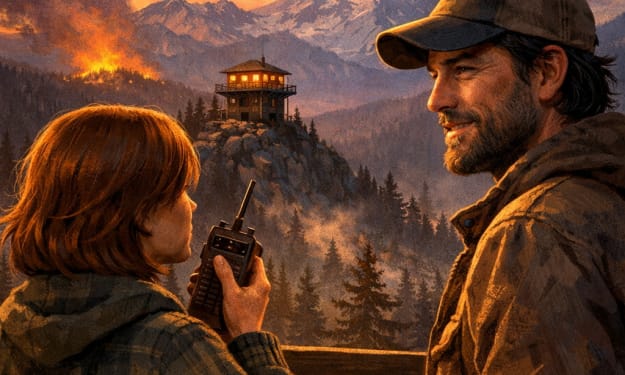
The silence of the Cascade Mountains was not an absence of sound; it was a heavy, living thing. It was the groan of ancient ponderosa pines leaning against the wind, the distant, crystalline shatter of glacial meltwater, and the overwhelming hum of sheer, terrifying vastness.
By Alpha Cortex3 days ago in Fiction
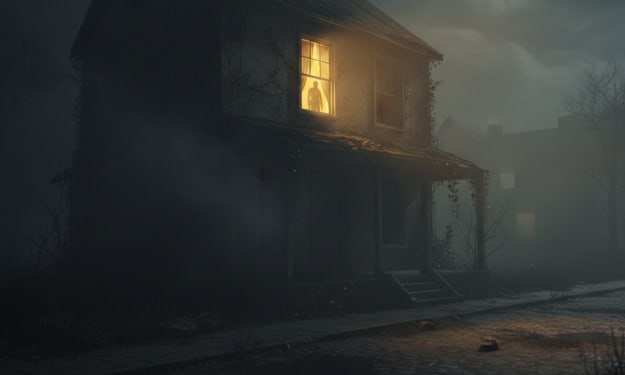
The Last Train Witness
M Mehran The final train left the underground platform at 11:48 p.m. By 11:49, the platform was empty. By 11:52, a man was dead. And by morning, the city would learn that dozens of commuters had been present — yet not a single witness had seen the crime. The Silence Beneath the City The underground transit system ran like veins beneath the metropolis, carrying thousands through tunnels of concrete and fluorescent light. People avoided eye contact, protected their personal space, and guarded their routines. It was an unspoken rule of urban survival: See nothing. Say nothing. Keep moving. On Platform 6, that rule became deadly. The victim, later identified as Markus Engel, lay near the yellow safety line, his briefcase resting inches from his hand. No signs of struggle. No weapon. No obvious motive. Just a body and unanswered questions. Detective Assigned to the Impossible Lena Vogel stood at the platform edge as early trains roared past, wind whipping through her coat. She studied the scene with narrowed focus. “No witnesses?” she asked. Her partner shook his head. “Forty-two passengers used the platform during the window. Every one of them claims they saw nothing.” Lena looked up at the security camera mounted above the stairs. Disabled. Not broken — disabled. “That’s not coincidence,” she murmured. The Man No One Knew Markus Engel was not famous, wealthy, or politically connected. He lived alone, worked as a logistics analyst, and paid his taxes on time. His neighbors described him as polite and forgettable. Which made the contents of his briefcase harder to explain. Inside were documents detailing shipping manifests, customs declarations, and flagged cargo routes. Several entries were circled in red. Lena flipped through the pages. “These aren’t random shipments,” she said. “They’re patterns.” “Of what?” She tapped the paper. “Smuggling routes disguised as legitimate trade.” Forty-Two Shadows Detectives interviewed every commuter identified through transit card scans. A nurse finishing a double shift. A university student listening to music. A restaurant worker heading home. A businessman checking emails. Each described the same scene: Train arriving. Doors opening. People exiting. People boarding. Nothing unusual. Nothing memorable. Nothing seen. Lena replayed their statements in her mind. Not lies — rehearsed absence. Urban invisibility had become a shield. The Camera That Didn’t See Transit technicians confirmed the camera feed had looped exactly three minutes of footage — a deliberate override requiring system access. “This wasn’t a random assault,” Lena said. “Someone planned invisibility.” “Over a logistics analyst?” She held up the documents. “Over what he discovered.” The Reporter Underground Tobias Richter had built his reputation exposing black-market networks operating beneath legitimate commerce. When he heard about Engel’s death, he recognized the shipping codes immediately. “These routes connect three ports and two inland depots,” Tobias explained. “On paper, they move electronics and textiles. In reality, they’re suspected of transporting counterfeit pharmaceuticals and restricted chemical compounds.” “Dangerous?” Lena asked. “Potentially lethal,” he replied. She looked back at the evidence. Markus Engel hadn’t been a victim of random violence. He had been silenced. A Witness Who Didn’t Know He Saw Three days into the investigation, a breakthrough arrived unexpectedly. A ten-year-old boy named Emil had been traveling with his mother that night. While she scrolled through her phone, he had been watching reflections in the dark tunnel window as the train arrived. “I saw a man standing very still,” he told Lena. “Like he was waiting but not getting on.” “Did you see his face?” Emil shook his head. “But he wore gloves. Inside.” Lena’s pulse quickened. Gloves suggested preparation. Control. Intent. “What happened next?” “He stepped forward when the doors opened,” Emil said. “Then people walked in front of him.” “And then?” “He was gone.” The Pattern of Disappearance Transit entry logs revealed a transit card used minutes before the murder — then never again. Fake identity. Disposable access. Professional execution. Tobias traced Engel’s flagged shipments to a shell company operating through layered subsidiaries. The company’s board members existed only on paper. But one name appeared repeatedly in customs overrides: a mid-level compliance officer with authority to clear inspections. Lena stared at the file. “Someone inside the system,” she said. Beneath the Surface A coordinated raid two weeks later uncovered a storage facility filled with mislabeled cargo: counterfeit antibiotics, restricted solvents, and toxic compounds disguised as industrial cleaners. Authorities estimated the illegal trade could have endangered thousands. The compliance officer disappeared the night before his arrest. So did the man who killed Markus Engel. The Weight of Looking Away The transit authority restored the disabled camera footage using backup server fragments. The recovered frames showed only partial images: commuters boarding, blurred movement, a gloved hand briefly visible near Engel’s shoulder. Then nothing. The moment of death hidden behind ordinary motion. Forty-two people present. Forty-two people unaware. Or unwilling to notice. A City Reflects News coverage ignited public debate: How could a murder happen in a crowded space without witnesses? Had technology made people less observant? Had fear replaced responsibility? Sociologists called it diffusion of responsibility. Psychologists described urban desensitization. Commuters insisted they were simply surviving crowded routines. Lena stood again on Platform 6 weeks later, watching passengers move with practiced detachment. She wondered how many stories passed unseen each day. How many warnings went unnoticed. How many lives intersected briefly before vanishing into anonymity. Remembering the Invisible Markus Engel’s name faded quickly from headlines. The smuggling network remained under investigation. Policy reforms were proposed, debated, delayed. But a small plaque appeared near the platform stairs: In memory of Markus Engel Who saw what others missed Commuters walked past it daily. Some paused. Most didn’t. The Last Train Arrives Late one evening, Lena waited as the final train approached. Wind rushed through the tunnel, carrying echoes of steel and distant movement. Passengers stepped off. Others boarded. Reflections shimmered in the dark glass. For a moment, she thought about how easily a person could disappear in plain sight — swallowed by routine, distraction, and silence. Then the doors closed. The train departed. And the platform returned to stillness. But Lena kept watching. Because crime does not always hide in darkness. Sometimes it happens in full view — concealed not by shadows, but by the human instinct to look away. And somewhere beneath the noise of the city, truth still waits for someone willing to see it. SEO Keywords naturally included: urban crime story, underground murder mystery, criminal investigation thriller, smuggling crime network, public safety crime, investigative crime fiction, dark transit mystery, modern crime narrative, city crime thriller.
By Muhammad Mehran3 days ago in Criminal
The Story of CineMouse
From Facebook Fans to Film Academy: The Story of CineMouse In 2015 in Bulgaria, an era when cultural institutions struggle to gather audiences while audiences effortlessly gather online, a curious reversal occurred in Bulgaria: a Facebook group became a film academy. What began as daily conversations about cinema evolved into a real ceremony, a real community and finally real awards. The project was called CineMouse, and behind it stood professor Peter Ayolov from Sofia University — lecturer in Media Scriptwriting and author of the book The Media Scenario (2026).
By Peter Ayolov3 days ago in History
The Midnight Confession
M Mehran At exactly 12:03 a.m., the confession arrived. No envelope. No fingerprints. No return address. Just a plain white sheet slid under the glass doors of the central police station in the heart of the city. By morning, three detectives, one journalist, and an entire criminal investigation unit would be consumed by its contents. Because the letter did not confess to a crime. It confessed to seven. A City Awake in Darkness The city never truly slept. Neon reflections shimmered in puddles, and distant sirens blended with late-night traffic. In the shadows between high-rise apartments and aging brick buildings, deals were made, secrets were buried, and truth was negotiated. Crime here wasn’t loud. It was quiet. Organized. Invisible. And for years, someone had been watching. Detective Hanna Weiss Hanna Weiss arrived at the station before sunrise, her boots echoing across the tiled floor. She was known for solving cases others abandoned — not because she followed rules, but because she understood people. The night officer handed her the letter with a nervous expression. “No prints. No cameras caught anything,” he said. She unfolded the page. The handwriting was precise. Unemotional. Deliberate. I confess to the following crimes: • Arson – Dock Warehouse 12 • Armed robbery – Nordbank transport van • Kidnapping – case #44721 (victim recovered) • Data theft – municipal records breach • Extortion – three corporate entities • Evidence tampering – ongoing corruption trial • Murder – December 14, Riverside District I am ready to be judged. But first, you must understand why. — A Citizen Hanna read it twice. Then a third time. Confessions were rarely neat. Criminals lied, deflected, justified. They did not itemize. And they did not invite understanding. The Reporter Who Wouldn’t Let Go By 8:00 a.m., news of the confession had leaked. Jonas Keller stared at the photocopy on his desk, his coffee growing cold. He specialized in corruption stories — the kind that earned threats instead of awards. The murder listed in the confession caught his attention. December 14. Riverside District. Official ruling: unsolved. Unofficial whispers: silenced whistleblower. Jonas grabbed his coat. If the confession was real, the city was about to fracture. Crime Scene Reopened Riverside District smelled of damp concrete and river mist. The alley where the body had been found remained unchanged — forgotten by the city, remembered only by rumor. Hanna crouched near the spot marked months earlier. “Victim was Lukas Brandt,” she said to Jonas, who had appeared without invitation. “Financial auditor. Found with blunt force trauma.” Jonas nodded. “He was preparing testimony against infrastructure contracts.” Hanna glanced at him. “You knew?” “I tried to interview him,” Jonas replied. “He canceled the night he died.” They exchanged a look. The confession had turned coincidence into pattern. A Criminal with a Purpose By midday, detectives confirmed details from the letter. The warehouse fire exposed illegal chemical storage. The bank transport robbery stole untraceable cash later linked to bribery funds. The kidnapping victim was a corporate accountant who later testified against embezzlement. Each crime had targeted wrongdoing. Each victim was connected to corruption. This was not random criminal activity. This was surgical. The Message Hidden in Crime Back at the station, Hanna spread case files across the table. “This person isn’t committing crimes for profit,” she said. Jonas leaned forward. “They’re correcting something.” “Or punishing it.” They studied the final line again: You must understand why. Hanna tapped the paper. “This isn’t a confession.” “It’s a summons,” Jonas said. The Second Letter At 11:57 p.m. the following night, the second letter arrived. This time addressed directly to Detective Weiss. Inside was a USB drive. One video file. Hanna hesitated before pressing play. A hooded figure sat in shadow, voice distorted but calm. “I did these things,” the figure said. “Every charge is true. But the law failed before I did.” Images flashed across the screen: Bribed inspectors. Altered safety reports. Destroyed evidence. Threatened witnesses. Then the face of Lukas Brandt appeared — alive, speaking urgently. “If anything happens to me,” he said in the recording, “the contracts must be exposed.” The video ended. Silence filled the room. Jonas exhaled slowly. “He was killed to stop testimony.” Hanna nodded. “And someone decided the system wouldn’t deliver justice.” Criminal or Catalyst? The city divided overnight. Some called the confessor a terrorist. Others called them a hero. Talk shows debated morality versus legality. Social feeds flooded with arguments. Victims of corporate negligence spoke publicly for the first time. And still, no suspect emerged. Until the third message. Midnight, Riverside Bridge Come alone. Bring the truth. Hanna arrived just before midnight, fog rolling over the river like drifting smoke. A figure stepped from the shadows. Not armed. Not threatening. Just tired. “I never wanted to hurt anyone,” the voice said. “Except you did,” Hanna replied. The figure removed the hood. A woman in her early thirties. Pale. Determined. “My father died in Dock Warehouse 12,” she said. “Toxic exposure. Reports were falsified. No one charged.” She swallowed. “Lukas Brandt tried to fix it. He was killed. Evidence vanished. Witnesses disappeared. So I made sure the truth couldn’t.” “By committing crimes,” Hanna said. “By forcing truth into daylight.” Sirens sounded faintly in the distance. The woman extended her wrists. “I’m ready to be judged,” she said. Hanna hesitated. Law demanded arrest. Justice demanded reflection. She placed cuffs gently on the woman’s wrists. The Confession Heard Worldwide By morning, the full story dominated headlines: WHISTLEBLOWER MURDER LINKED TO INFRASTRUCTURE CORRUPTION CONFESSION EXPOSES SYSTEMIC COVER-UP PUBLIC INQUIRY LAUNCHED The woman’s crimes remained real. But so did the corruption she exposed. Families demanded reform. Officials promised transparency. Investigations reopened. And for the first time in years, accountability seemed possible. The Weight of Truth Jonas published his story three days later. Not about a criminal mastermind. But about a system that forced ordinary citizens into extraordinary actions. Hanna visited the detention center that evening. “Was it worth it?” she asked through the glass. The woman considered. “The truth is finally visible,” she said. “You decide.” A City Forced to Look Crime had shaken the city. But truth had awakened it. Streetlights flickered on as night returned, illuminating bridges, rooftops, and alleys where secrets once thrived unchallenged. Justice would take years. Reform would face resistance. Memory would fade. But something had shifted. Because one confession had forced an entire city to confront a question more unsettling than crime itself: What happens when justice fails — and citizens take its place? And long after the headlines faded, the echo of that midnight confession continued to haunt the corridors of power. SEO Keywords naturally included: crime story, criminal confession, corruption crime, justice system failure, urban crime thriller, investigative crime narrative, dark city mystery, true crime style fiction, criminal investigation story.
By Muhammad Mehran3 days ago in Criminal