
Why Should Businesses Invest in Time and Attendance Systems?
Time and Attendance Systems

Effectively managing employee time is essential to running a successful business. From tracking work hours and calculating overtime to ensuring compliance with labour laws, time management is at the core of workforce efficiency. However, relying on manual methods like spreadsheets or paper timesheets often leads to inaccuracies, payroll errors, and administrative frustration.
This is where time and attendance systems prove to be a game-changer. These automated solutions streamline how businesses monitor employee hours, manage attendance, and generate reports—all while reducing operational costs. Whether you're a small enterprise or a large corporation, adopting a reliable time and attendance system can deliver substantial benefits across your organisation.
1. Improved Accuracy and Fewer Payroll Errors
Manual time-tracking methods are susceptible to human error—whether it’s an honest mistake or intentional time padding. Inaccurate timesheets can lead to miscalculated wages, employee dissatisfaction, and even non-compliance with wage laws. Automated time and attendance systems eliminate the guesswork by precisely recording when employees start, take breaks, and finish their shifts.
2. Enhanced Efficiency for HR and Payroll Teams
Without automation, HR departments often spend countless hours gathering, verifying, and inputting time data—time that could be better spent on more strategic activities. A digital time and attendance system drastically reduces administrative workload by collecting data in real-time and feeding it directly into payroll or HR platforms.
With fewer manual entries and verifications required, processes become quicker and more accurate, allowing HR personnel to shift their focus toward employee engagement, training, and other critical tasks.
3. Ensures Legal Compliance and Audit Readiness
Employment laws often require businesses to maintain accurate records of working hours, rest periods, and overtime. Non-compliance can result in fines, penalties, or even legal action. A robust time and attendance system helps ensure businesses remain compliant with relevant regulations by capturing the necessary data automatically and securely.
These systems also generate detailed reports that can be presented during internal reviews or external audits, reducing stress and ensuring transparency.
4. Eliminates Time Theft and Buddy Punching
Time theft can significantly impact your bottom line. One common issue in manual or outdated systems is "buddy punching"—when one employee clocks in or out on behalf of another. This can lead to exaggerated hours and unjustified pay.
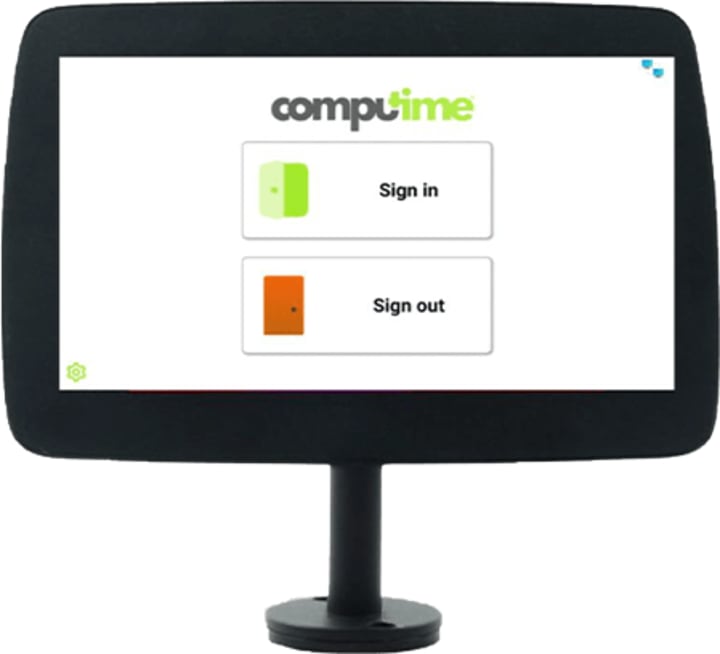
Modern time and attendance systems utilise advanced authentication methods, including biometric scanners (fingerprint or facial recognition), smart cards, or mobile geolocation. These features ensure that only the actual employee can record their attendance, creating a more secure and honest workplace environment.
5. Provides Real-Time Visibility and Insights
Today’s systems often include intuitive dashboards that offer real-time visibility into employee attendance, punctuality, and scheduling trends. Managers can view who is currently working, who arrived late, and who may be nearing overtime thresholds—all from a centralised platform.
These insights are incredibly valuable for managing staffing levels, reducing absenteeism, and forecasting labour costs. Over time, businesses can analyse patterns to identify productivity gaps and optimise workforce management strategies.
6. Streamlined Integration with Payroll and HR Systems
Integration is a key advantage of modern time and attendance solutions. Rather than operating in silos, these systems can be connected directly to payroll software, HR management platforms, and scheduling tools. This seamless integration ensures accurate data transfer, eliminating duplication, reducing administrative effort, and speeding up payroll cycles.
7. Supports Remote and Flexible Work Environments
As hybrid and remote work models become more common, businesses need flexible solutions to track employee hours regardless of location. Cloud-based time and attendance systems support remote clock-ins via web portals or mobile apps, using GPS to verify locations if required.
8. Improved Employee Accountability and Transparency
When employees know their time is being tracked accurately and fairly, it creates a culture of accountability. Transparent records also help avoid misunderstandings around hours worked or leave balances, leading to higher employee satisfaction.
Additionally, some systems allow staff to view their own attendance records, apply for leave, and track accrued hours through a self-service portal—empowering employees while reducing HR workloads.
9. Cost Savings in the Long Run
While implementing a time and attendance system requires upfront investment, the long-term savings are significant. From reducing payroll inflation and overtime abuse to cutting administrative time and preventing legal fines, the ROI can be substantial.
Moreover, better scheduling and forecasting help reduce instances of overstaffing or understaffing—both of which can be costly in different ways.
Conclusion
Implementing a time and attendance system is not just about recording hours—it's about building a smarter, more efficient, and compliant workforce. With real-time visibility, enhanced accuracy, and seamless integration, these systems help businesses reduce costs, optimise productivity, and maintain operational control.
For organisations looking to upgrade their workforce management processes, Computime UK offers industry-leading time and attendance solutions tailored to businesses of all sizes. From biometric terminals to cloud-based platforms, their systems are designed to meet the demands of modern workplaces.
About the Creator
Andrew Mile
Andrew Mile is passionate about technology, wedding planning, and services, crafting insightful content that blends innovation with elegance, making complex topics accessible and weddings unforgettable.
Keep reading
More stories from Andrew Mile and writers in Journal and other communities.
8 Effective Ways to Improve Workplace Safety and Security
Regardless of your industry, making your workplace safer is a must for any business. A safe environment is one which protects employees and privacy, ensures control over who enters and leaves, and ensures compliance with health and safety regulations.
By Andrew Mile10 months ago in Journal
Early March 2026: 4 Goals Accomplished
It's early March and I've now accomplished my 4th writing goal for the year of 2026. Before diving into the behind-the-scenes of it... why not tell you up front what that accomplishment was? I was published in a 2nd publication for this year. Published in Helix Literary Magazine out of Central Connecticut State University. You can read it for free right now!
By Stephen Kramer Avitabile7 days ago in Writers




Comments
There are no comments for this story
Be the first to respond and start the conversation.