
Why Motor Bearings Get Noisier in Winter?
Learn why motor bearings get noisier in winter and what methods bearing manufacturers recommend to keep them running in the season for better performance.

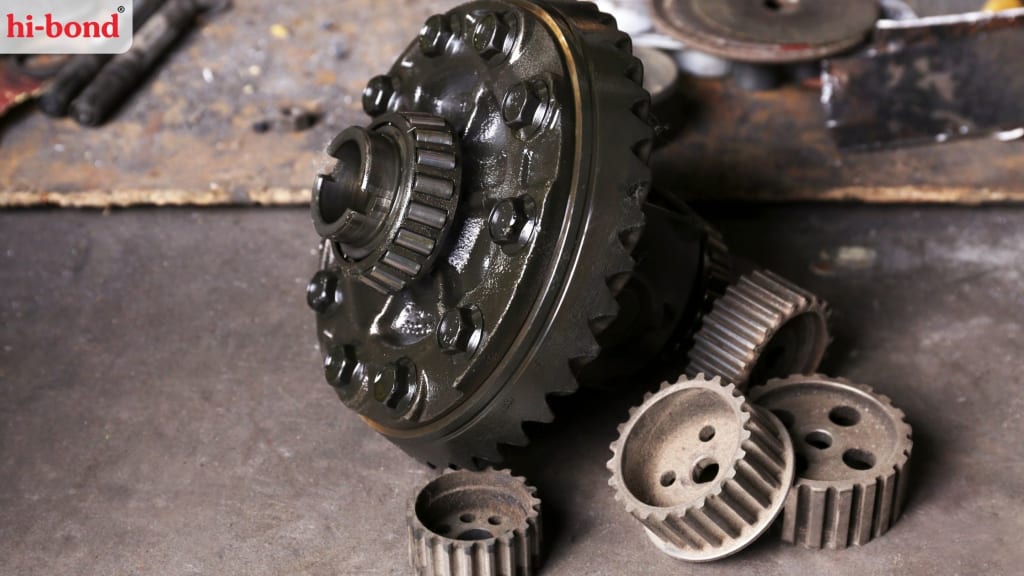
When winter arrives and temperatures drop, many machines, including HVAC units and industrial motors, begin to sound different than usual. Many industry studies by bearing manufacturers indicate that temperature-related operating conditions can significantly affect bearing service life. It is normal for motors to become louder in cold weather, particularly when bearings are involved, often for reasons that are easier to explain than expected.
Understanding these changes helps clarify what’s happening inside the system and why seasonal conditions matter.
Understanding How Bearings Work
Before anything else, let's understand the function of bearings to analyze the source of the elevated noise level. Bearings reduce friction from component motion; as a result, deep-groove ball-bearing motors can operate with high efficiency and low resistance. They are also designed to optimise load and speed, ensuring the motor runs without issues.
When everything inside the bearing system moves freely, lubrication flows well, metals expand naturally with heat, and motors tend to stay quiet. But winter changes several of those conditions at once.
Here are the reasons bearings become noisier in winter.
1. Lubrication Thickens in Cold Weather
Bearings can also be noisy in the winter due to the thickness of the lubrication. Materials such as oil and grease respond to temperature changes.
How cold affects lubrication:
- Lubricants thicken or become more viscous.
- Thick grease doesn’t spread evenly over bearing surfaces.
- The additional resistance increases friction and noise.
- Motors may struggle to start, causing bearings to sound rough.
When bearings don’t receive smooth lubrication from the first rotation, they produce scraping or rumbling sounds until the motor warms up. This is one of the most common causes of winter noise, so proper lubricant selection is critical.
2. Metal Contraction at Low Temperatures
Most metallic materials decrease in size during cold weather. Components such as bearings are manufactured with very tight tolerances so that even small taper changes affect how the pieces function together.
Metal contraction due to temperature changes can lead to:
- Tighter internal clearances.
- Increase friction between the bearing surfaces.
- Increase the motor load.
- Increase operational noise.
- Bearings can experience internal grinding, humming, or rattling due to differences in how the inner and outer rings contract.
3. Start-Up Stress Increases
Starting a cold engine is difficult for both cold-started car engines and machines. When starting after sitting in the cold for a while, the bearings experience increased strain.
When a cold start occurs:
- Lubricants are still thick.
- Metal hasn't expanded to its normal running size.
- Components slide against each other at higher internal friction.
- Bearings experience a temporary increase in load.
This process usually creates the loudest sounds you'll hear coming from the engine. As the engine continues to run and reaches normal operating temperature, the noise usually decreases.
4. Build Up of Moisture and Condensation
Winter brings increased humidity and temperature fluctuations, especially in outdoor and poorly insulated areas. Moisture is a bearing's worst enemy.
How moisture increases noise:
- Water contamination weakens bearing lubrication
- Condensation can cause rust/corrosion
- Corroded surfaces create a grinding noise
- Water droplets disrupt smooth movement inside the grease
Even small amounts of moisture inside a bearing can cause a motor to sound rough as soon as it turns on.
5. Grease Mismatch for Winter Conditions
Some lubricants cannot withstand cold weather. Grease formulated for milder conditions may thicken excessively or freeze in cold conditions.
Some outcomes of a mismatch could include:
- Hardening of grease
- Poor flow inside the bearing
- Dry rubbing or scraping noises
- Uneven lubricant distribution
Selecting the appropriate grease for the operating conditions can significantly reduce cold-season noise.
6. Increased Load From Stiffer Components
In cold conditions, other parts of the motor, such as belts, seals, or housings, may also stiffen. This stiffness trickles down to the bearings.
Extra load from stiff parts can cause:
- Bearings to work harder
- Louder humming or whining
- Temporary vibration during warm-up
Once everything reaches a steady temperature, motors typically operate more quietly.
7. Age and Wear Become More Noticeable
Bearings that have aged and survived multiple seasons may show some wear, and winter conditions tend to accelerate it.
Winter reveals issues like:
- Worn lubrication
- Micro-cracks on bearing surfaces
- Seal deterioration
- Miters become loose
Lower temperatures reduce flexibility and surface noise that might have remained subdued.
8. Motor Housing Shrinks Slightly
Just like bearings, the motor’s outer housing can contract in cold weather. This can alter the alignment of internal components.
Misalignment can lead to:
- Side-loading of bearings
- Increased vibration
- Higher running noise
- Earlier wear and tear
A slight alignment shift is usually enough to create noticeable sound changes.
9. Belts Tighten and Affect Bearing Load
If the motor is part of a belt-driven system, such as an HVAC blower, winter can also affect belt tension.
Cold belts tend to:
- Contract and tighten
- Place more force on the motor shaft
- Increase stress on the bearings
- Create squeaks, hums, or rattles
As the belt warms and loosens slightly, the sound often improves.
10. Bearings Take Longer to Reach Operating Temperature
In warm weather, motors reach their ideal running temperature quickly. In winter, it takes longer for the components to heat up and settle.
Until then, you may hear:
- Rattling
- Grinding
- Whirring
- Rumbling
None of these sounds automatically damages them; they’re often just the bearing adapting to the cold.
How to Reduce Motor Bearing Noise in Winter
Here are simple steps to help keep motors quieter during cold months:
1. Use winter-appropriate lubricants.
2. Warm up the equipment before the whole operation.
3. Keep machines indoors when possible.
4. Insulate motor housings.
5. Reduce moisture exposure.
6. Maintain regular cleaning and lubrication schedules.
7. Check for signs of wear before winter starts.
Careful upkeep goes a long way in preventing noise-related issues.
Keep Your Bearings Warm for Cold Weather Performance
Lower winter temperatures can affect bearing behavior, often resulting in noticeable startup noise. With the proper care and attention to lubrication and environmental conditions, motor bearings can run smoothly all winter long. Many journal bearing performs reliably when properly maintained, even in winter.
In many cases, increased noise is simply a seasonal adjustment rather than an indication of mechanical issues. So keeping bearings checked and ready beforehand makes the work easier when the season arrives and reduces the need for extra time.
About the Creator
Which Type of Plastic Yields the Highest Oil Output During Pyrolysis?
Plastic waste is a growing environmental challenge, and one of the promising methods for managing this waste is pyrolysis. Pyrolysis involves heating plastic to high temperatures in the absence of oxygen to break it down into smaller molecules, producing valuable by-products such as oil, gas, and solid residues. However, not all plastics yield the same amount of oil during the pyrolysis process.
By Bestonpyrolysisabout 4 hours ago in Journal


Comments
There are no comments for this story
Be the first to respond and start the conversation.