
Why are countries shifting away from the dollar in international trade?
The US dollar is losing its grip on the world economy. More and more countries are ditching the greenback for other currencies, creating a serious challenge for the US. In this amazing new story, we explore the causes and consequences of the dollar’s downfall and what it means for the global financial system 💸🚫🌍

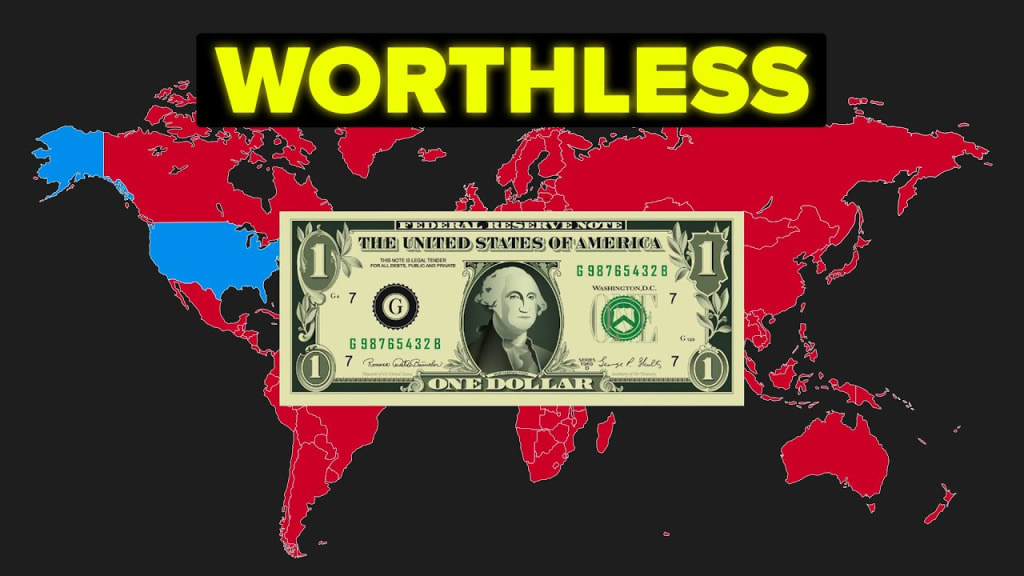
The US dollar is losing its grip on the world economy. More and more countries are ditching the greenback for other currencies, creating a serious challenge for the US. In this amazing new story, we explore the causes and consequences of the dollar’s downfall and what it means for the global financial system 💸🚫🌍
Is the US Dollar Losing Its Status as the World's Reserve Currency?
If you have been following the news lately, you might have seen some alarming headlines about the US dollar and its role in the global economy. Some of them sound like this:
- “The dollar is done,” says one story.
- “A post-dollar world is coming!” says another, and perhaps the most fear-inducing headline was, “End of dollar dominance will also spell demise of US Hegemony.”
But before you panic and start hoarding gold and bitcoins, you should probably read this blog post. We will try to explain what is going on with the dollar, why some countries are turning away from it, and what it means for the future of the US and the world.
What is a reserve currency and why does it matter?
A reserve currency is a currency that is held by central banks and other financial institutions as a store of value and a means of payment for international transactions. Having a reserve currency gives a country certain advantages, such as:
- It can borrow money more cheaply and easily from other countries, since they are willing to lend in the same currency they hold.
- It can influence global trade and financial markets, since most transactions are denominated in its currency.
- It can impose sanctions and pressure on other countries, since it controls the access to its currency and payment system.
- It can benefit from seigniorage, which is the difference between the cost of producing money and its value. For example, it costs less than 10 cents to make a $10 bill, but everyone wants/needs dollars.
The US dollar has been the dominant reserve currency since the end of World War II, when the Bretton Woods Agreement was signed in 1944. This agreement established a fixed exchange rate system, where most currencies were pegged to the dollar, and the dollar was pegged to gold. The agreement also created the International Monetary Fund (IMF) and the World Bank, to provide financial assistance and stability to countries.
The Bretton Woods system collapsed in 1971, when President Nixon ended the convertibility of the dollar to gold, due to inflation and trade deficits. This ushered in a new era of floating exchange rates, where currencies fluctuate according to market forces. However, the dollar remained the main reserve currency, since it was still widely used and trusted by countries and investors.
Today, about 60% of global foreign currency reserves are in dollars, according to the IMF. The dollar is also used for about 80% of global trade transactions, according to SWIFT, a network that facilitates cross-border payments. The dollar is also the preferred currency for commodities such as oil and gold.
Why are some countries ditching the dollar?
In recent years, however, some countries have been reducing their reliance on the dollar and seeking alternatives. This trend is known as dedollarization. There are several reasons for this:
- Some countries are unhappy with the US policies and actions that affect their interests. For example, the US has imposed sanctions on countries such as Russia, Iran, Venezuela, Cuba, North Korea, etc., for various reasons related to human rights, nuclear weapons, terrorism, etc. These sanctions limit their access to the dollar and international trade and finance. The US has also devalued its currency through quantitative easing (printing money) and fiscal stimulus (spending money), which affects other countries' exports and inflation.
- Some countries are trying to diversify their economies and reduce their dependence on oil and other commodities that are priced in dollars. For example, Saudi Arabia has been pursuing a vision 2030 plan that aims to transform its economy into a more diversified and sustainable one. It has also been strengthening its ties with China, its largest trading partner and oil buyer. China is also a major partner in Saudi Arabia's participation in the Belt and Road Initiative (BRI), a massive infrastructure project that spans across Asia, Africa, Europe, and beyond.
- Some countries are aspiring to challenge or balance the US hegemony and influence in the world. For example, China has been rising as an economic and political power that rivals or surpasses the US in some aspects. China has been promoting its own currency, the yuan (also known as renminbi), as an alternative reserve currency. China has also been creating its own payment systems and platforms, such as CIPS (Cross-Border Interbank Payment System) and DCEP (Digital Currency Electronic Payment), that bypass or compete with SWIFT and other Western-dominated systems.
- Some countries are seeking more cooperation and integration among themselves or with other regions. For example, BRICS (Brazil, Russia, India, China, South Africa) is a group of emerging economies that have been holding regular summits and discussing various issues of common interest. BRICS has also established its own institutions, such as the New Development Bank (NDB) and the Contingent Reserve Arrangement (CRA), that provide financing and support to its members and other developing countries. BRICS has also been exploring the possibility of creating a common currency or a payment system among themselves.
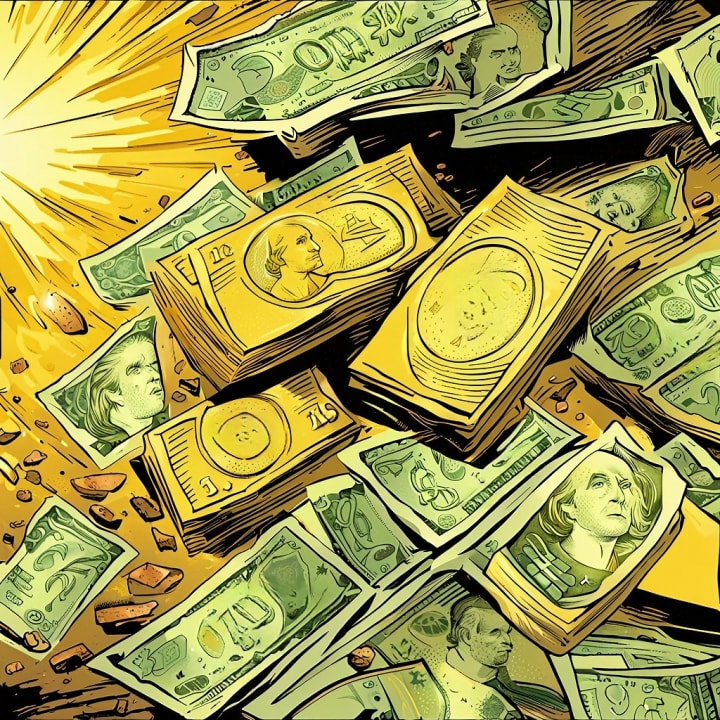
What are some examples of dedollarization?
Dedollarization can take various forms, such as:
- Trading in local or regional currencies instead of dollars. For example, in 2023, Saudi Arabia announced that it was open to selling its oil in other currencies besides the dollar, after 48 years of doing so. This was a major shift, since Saudi Arabia is one of the largest oil producers and exporters in the world, and oil is one of the most traded commodities in dollars. Saudi Arabia's decision was influenced by its growing relationship with China, which buys about a quarter of its oil exports. China and Saudi Arabia have also been discussing doing more deals in yuan, not dollars. Similarly, other countries such as Argentina, Brazil, Russia, India, Iran, Turkey, Indonesia, South Korea, etc., have also been using their own or other currencies for trade with each other or with other regions.
- Buying gold or other assets with dollars. For example, in 2022 and 2023, many central banks around the world increased their gold purchases with their dollar reserves. This was the largest gold buyout in history by central banks. They bought 1,078 metric tons in 2022, compared to 450 tons in 2021. China and Turkey were the biggest buyers, followed by India, Qatar, and Uzbekistan. These countries may have felt that gold was a safer and more stable asset than the dollar, especially amid the uncertainty and volatility caused by the US policies and actions, as well as the global pandemic and inflation.
- Creating new payment systems or platforms that do not rely on the dollar or SWIFT. For example, in 2015, China launched CIPS, which is a network that allows cross-border payments in yuan. CIPS is intended to facilitate trade and investment between China and other countries, especially those involved in the BRI. CIPS is also seen as a potential competitor or alternative to SWIFT, which is dominated by the US and its allies. SWIFT has been used by the US to impose sanctions and cut off access to the dollar for some countries. China has also been developing DCEP, which is a digital version of its currency that can be used for online transactions. DCEP is expected to enhance China's financial inclusion and innovation, as well as its global influence.
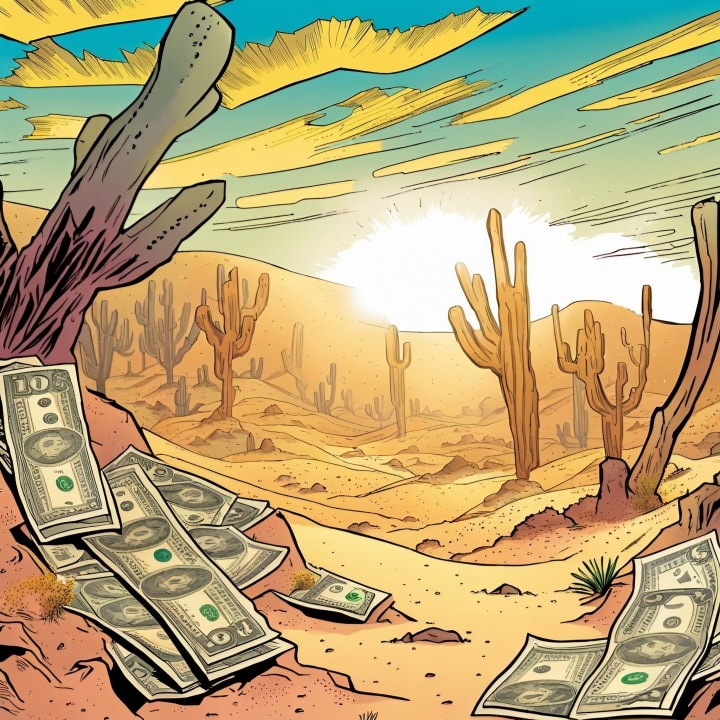
What are the implications of dedollarization?
Dedollarization has significant implications for the US and the world economy. Some of them are:
- It could reduce the demand for the dollar and lower its value. This could make US exports more competitive but also increase inflation and interest rates in the US. It could also make it harder for the US to finance its large budget deficits and debt.
- It could weaken the US influence and leverage over other countries. This could limit the US ability to impose sanctions and pressure on other countries for political or strategic reasons. It could also reduce the US role and voice in global institutions and forums.
- It could increase the risk of instability and uncertainty in the global financial system. This could happen if there is no clear alternative or consensus on what should replace the dollar as the reserve currency. It could also happen if there are conflicts or disputes among different countries or regions over their currencies or payment systems.
- It could create more opportunities for cooperation and integration among different countries or regions. This could happen if there is more diversity and flexibility in the choice of currencies and payment systems for trade and finance. It could also happen if there is more dialogue and coordination among different countries or regions on how to manage their currencies and payment systems.

What is the future of the dollar?
The future of the dollar as the world's reserve currency is not certain or predictable. There are many factors and forces that could affect it positively or negatively. Some of them are:
- The strength and performance of the US economy relative to other economies. The US economy is still one of the largest and most dynamic in the world, with a high level of innovation and productivity. However, it also faces many challenges and risks, such as aging population, inequality, debt, polarization, etc.
- The trust and confidence in the US institutions and policies among other countries. The US institutions are still among the most respected and influential in the world, with a high degree of transparency and accountability. However, they also face many criticisms and challenges, such as corruption, gridlock, interference, etc.
- The behavior and actions of the US government and leaders toward other countries. The US government and leaders are still among the most powerful and influential in the world, with a high degree of soft power and hard power. However, they also face many accusations and complaints, such as arrogance, hypocrisy, aggression, etc.
The preferences and interests of other countries and regions toward the US and its currency. Other countries and regions have different and complex relationships with the US and its currency, depending on their history, culture, politics, economy, etc. Some of them are allies and friends, some of them are rivals and enemies, and some of them are somewhere in between.
The emergence and development of other currencies and payment systems that could compete or cooperate with the dollar and SWIFT. Other currencies and payment systems have different and varying features and functions, depending on their design, governance, adoption, etc. Some of them are more advanced and innovative, some of them are more stable and reliable, and some of them are more inclusive and accessible.
Given these factors and forces, it is possible that the dollar will remain the dominant reserve currency for a long time, but it is also possible that it will lose its status gradually or suddenly. It is also possible that there will be no single reserve currency, but rather a basket or a mix of currencies and payment systems that will coexist and complement each other.
Therefore, it is important for the US and the world to be prepared for any scenario and outcome. It is also important for the US and the world to work together to ensure that the global financial system is stable, fair, and resilient. It is also important for the US and the world to respect and appreciate each other’s diversity and multipolarity.
We hope you enjoyed this narrative and learned something new. Please share your thoughts and comments below. Thank you for reading!
Sources: https://pastebin.com/QgJPdBR3
About the Creator
The goals I did not achieve
Every writing goal I made for the year is a wash. It has been this way for a while, but I think it's important to be open about my failures and the reality of how life can get in the way. This is especially true considering the several times I have posted on Vocal about my writing goals, how I was changing my approach, and where I was hoping to be for the upcoming year. I will probably do that again in a couple months, but for now, it is time to acknowledge where I am today.
By Kay Husnick22 days ago in Journal


Comments
There are no comments for this story
Be the first to respond and start the conversation.