
what is teeth scaling and why it is necessary?
what is teeth scaling and why it is necessary?

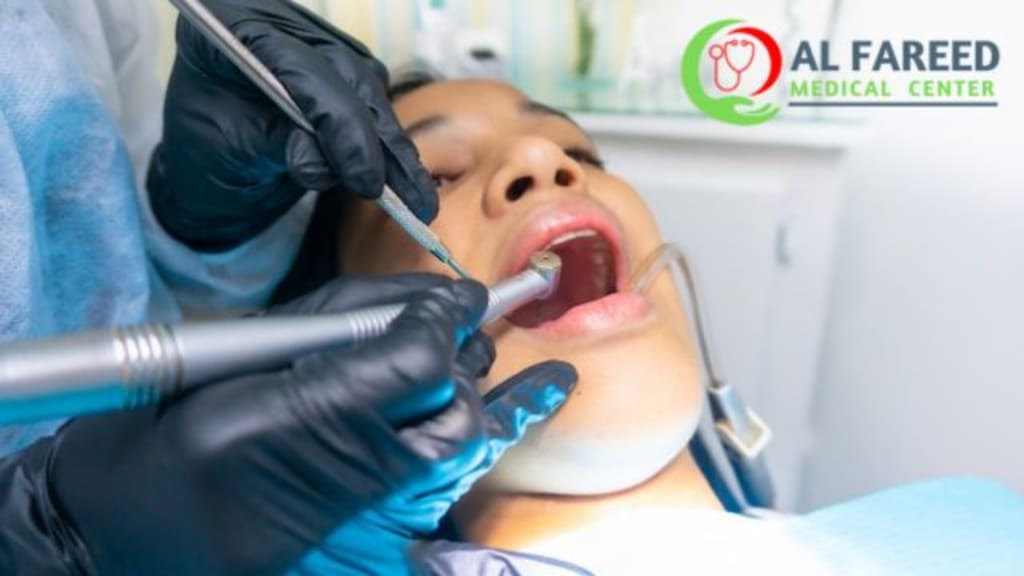
Teeth scaling is a dental procedure that involves removing plaque and tartar from the surface of the teeth and the roots below the gum line. Plaque is a sticky film of bacteria that forms on the teeth and can cause tooth decay and gum disease. Tartar is hardened plaque that can only be removed by professional dental tools.
Teeth scaling is necessary for patients who have signs of gum disease, such as bleeding, inflamed, or receding gums. Gum disease, also known as periodontitis, is a serious condition that can lead to tooth loss, bone loss, and other health problems. By removing the plaque and tartar that cause gum inflammation and infection, teeth scaling can help prevent further damage and restore the health of the gums.
Teeth scaling is usually performed along with root planing, which is a procedure that smooths the tooth roots and helps the gums reattach to the teeth. Together, these procedures are often referred to as a deep cleaning. Teeth scaling and root planning are different from a regular dental cleaning, which only cleans the visible part of the teeth above the gum line.
Teeth scaling and root planning are done by a dentist or a periodontist (a gum specialist) using special instruments such as scalers, curettes, or ultrasonic devices. The procedure may require local anesthesia to numb the gums and reduce discomfort. Depending on the severity of the gum disease, teeth scaling and root planing may take more than one visit to complete.
Teeth scaling and root planing have many benefits for patients with gum disease. They can:
Remove plaque and tartar that cause gum inflammation and infection.
Reduce bleeding, swelling, and tenderness of the gums.
Prevent further progression of gum disease and its complications.
Improve the appearance of the teeth and gums.
Enhance oral hygiene and freshen breath.
Teeth scaling and root planing also have some risks and potential side effects. They may cause:
Sensitivity or pain in the teeth or gums.
Bleeding or bruising of the gums.
Infection or inflammation of the gums or tooth roots.
Allergic reaction to the anesthesia or medication used during or after the procedure.
Damage to the enamel or dentin of the teeth.
To minimize these risks and ensure a successful outcome, patients should follow their dentist's instructions before and after teeth scaling and root planing. They should:
Brush their teeth twice a day with a soft-bristled toothbrush and fluoride toothpaste.
Floss their teeth daily to remove plaque from between the teeth.
Rinse their mouth with an antiseptic mouthwash or salt water as recommended by their dentist.
Avoid smoking, drinking alcohol, or eating spicy or acidic foods that may irritate the gums.
Take painkillers or antibiotics as prescribed by their dentist.
Visit their dentist regularly for check-ups and maintenance cleanings.
Teeth scaling and root planing are effective ways to treat gum disease and improve oral health. By removing plaque and tartar from the teeth and roots, they can help prevent further damage and restore the health of the gums. Patients who undergo teeth scaling and root planing should maintain good oral hygiene habits and follow their dentist's advice to ensure optimal results.
Importance of teeth scaling:
Teeth scaling is a dental procedure that removes plaque and tartar from the surface of the teeth and below the gum line.
Plaque is a sticky film of bacteria that forms on the teeth and can cause tooth decay and gum disease if not removed regularly.
Tartar is a hard deposit of minerals that forms on the teeth and can damage the enamel and irritate the gums.
Teeth scaling can help prevent cavities, gingivitis, periodontitis, and bad breath by keeping the teeth and gums healthy and clean.
Teeth scaling can also improve the appearance of the teeth by removing stains and making them look brighter and smoother.
Teeth scaling should be done by a professional dentist or hygienist at least once or twice a year, depending on the individual's oral health and risk factors.
Teeth scaling is usually done with special instruments that scrape or vibrate the plaque and tartar off the teeth. The procedure may cause some discomfort or sensitivity, but it is generally not painful.
Teeth scaling is an important part of oral hygiene and should be combined with regular brushing, flossing, rinsing, and dental check-ups to maintain optimal dental health.
About the Creator
Al Fareed Medical
At Alfareed Medical, we understand the importance of maintaining good oral and physical health, and we are committed to helping our clients achieve optimal health and wellness.
Keep reading
More stories from writers in Journal and other communities.
3 Misconception I Made before I Understood Online Entrepreneurship
For a long time, I believed that making money by set up my online business simply wasn’t meant for me. I watched people who seemed to figure things out faster. They built audiences, found direction, and slowly turned their work into something sustainable. I followed them closely, studied their paths, and tried to replicate their actions.
By Lady Alkaid7 days ago in Journal
🅼🅸🅳🅽🅸🅶🅷🆃 🆂🅽🅰🅲🅺🆂
"It's 10 in Tuscon! We all know what that means... It's Time for Midnight Snacks with your man, Gerald Gee! Ready to spend the night together? Me too! I'm full of snacks and can't wait to regurgitate them all back into your hungry ears. Crack a brew! Pop some corn! Anything to get ready for one hell of a show where the talk maybe cheap but the words cut deep...
By Lamar Wiggins6 days ago in Fiction




Comments
There are no comments for this story
Be the first to respond and start the conversation.