
What is Sleep Apnea? Causes, Symptoms, and Treatment
Dr manvir Bhatia
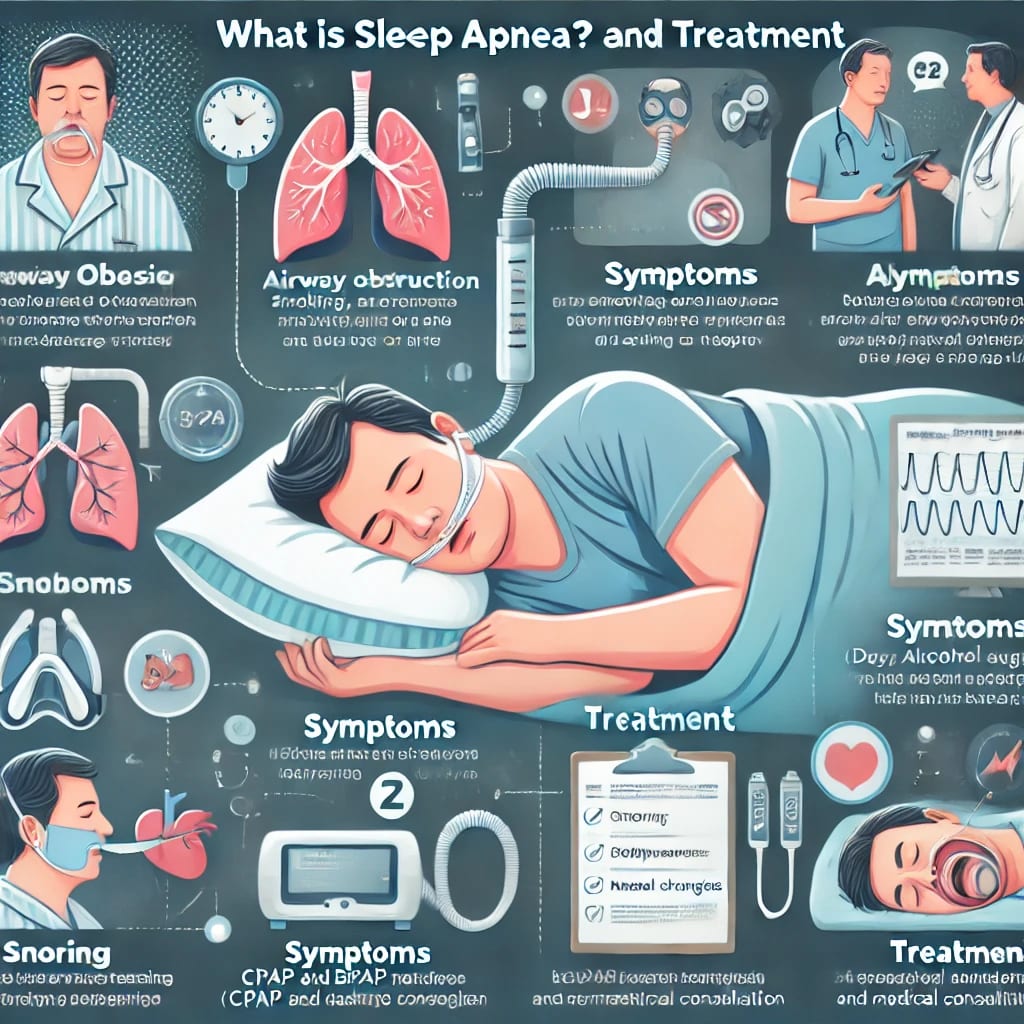
What is Sleep Apnea? Causes, Symptoms, and Treatment
Sleep apnea is a serious sleep disorder in which breathing repeatedly stops and starts during sleep. These pauses in breathing can last for a few seconds to minutes and may happen multiple times in an hour. If left untreated, sleep apnea can lead to serious health problems such as high blood pressure, heart disease, diabetes, and stroke.
Types of Sleep Apnea
There are three main types of sleep apnea:
Obstructive Sleep Apnea (OSA) – This is the most common type. It happens when the muscles in the throat relax too much, blocking the airway.
Central Sleep Apnea (CSA) – This occurs when the brain does not send the right signals to the muscles that control breathing.
Complex Sleep Apnea Syndrome – This is a combination of OSA and CSA.
Causes of Sleep Apnea
Several factors can cause or increase the risk of developing sleep apnea:
Obesity – Excess weight can lead to fat deposits around the throat, which block the airway.
Narrow Airway – Some people naturally have a smaller airway or enlarged tonsils that can block airflow.
Aging – As people age, their throat muscles become weaker, increasing the risk of airway collapse.
Smoking and Alcohol – Smoking increases inflammation in the airway, while alcohol relaxes the throat muscles, making airway blockage more likely.
Family History – Genetics may play a role in developing sleep apnea.
Medical Conditions – High blood pressure, diabetes, and heart diseases are linked to sleep apnea.
Symptoms of Sleep Apnea
Many people with sleep apnea are unaware they have it. Common symptoms include:
Loud snoring – Especially with OSA, snoring is a common sign.
Gasping for air while sleeping – A person may stop breathing and suddenly wake up choking or gasping.
Daytime sleepiness – Feeling tired even after a full night’s sleep.
Morning headaches – Lack of oxygen at night can cause headaches in the morning.
Difficulty concentrating – Sleep deprivation affects focus and memory.
Mood changes – Irritability, depression, and anxiety can develop due to poor sleep.
Frequent nighttime urination – Sleep apnea may cause a person to wake up often to urinate.
Dry mouth or sore throat in the morning – Breathing through the mouth due to a blocked airway can cause dryness.
Diagnosing Sleep Apnea
If you suspect sleep apnea, you should see a doctor. Diagnosis typically involves:
Medical History and Physical Examination – The doctor will check your symptoms and examine your throat, mouth, and nose.
Sleep Study (Polysomnography) – This test monitors breathing, oxygen levels, heart rate, and movement during sleep. It can be done in a sleep lab or at home.
Home Sleep Apnea Test – A simplified version of polysomnography that measures breathing patterns, oxygen levels, and airflow.
Treatment Options for Sleep Apnea
Treatment depends on the severity of sleep apnea. Here are the most common options:
Lifestyle Changes (For Mild Cases)
Weight Loss – Losing even a small amount of weight can help reduce symptoms.
Sleeping on Your Side – This can prevent airway blockage.
Avoiding Alcohol and Sedatives – These relax the muscles and worsen sleep apnea.
Quitting Smoking – Reduces airway inflammation and improves breathing.
Regular Exercise – Helps maintain a healthy weight and strengthens breathing muscles.
Medical Treatments (For Moderate to Severe Cases)
CPAP (Continuous Positive Airway Pressure) Therapy – The most common and effective treatment. A CPAP machine provides a steady flow of air through a mask to keep the airway open during sleep.
BiPAP (Bilevel Positive Airway Pressure) – Similar to CPAP but provides different air pressures for inhalation and exhalation.
Oral Appliances – Custom-made devices that help keep the airway open by adjusting the position of the jaw.
Oxygen Therapy – For some cases of central sleep apnea, oxygen therapy may be used.
Surgical Options (For Severe Cases)
If other treatments fail, surgery may be needed:
Tonsil Removal – If enlarged tonsils are blocking the airway.
Uvulopalatopharyngoplasty (UPPP) – Removal of excess tissue from the throat to widen the airway.
Nasal Surgery – If nasal blockages contribute to sleep apnea.
Inspire Therapy – A device implanted to stimulate throat muscles and keep the airway open.
Complications of Untreated Sleep Apnea
If left untreated, sleep apnea can lead to:
High blood pressure and heart disease
Stroke
Type 2 diabetes
Memory loss and difficulty concentrating
Depression and mood disorders
Increased risk of accidents due to drowsiness
Conclusion
Sleep apnea is a serious condition that affects both sleep quality and overall health. If you or someone you know experiences symptoms like snoring, gasping for air during sleep, or excessive daytime tiredness, it is essential to seek medical help. With proper diagnosis and treatment, sleep apnea can be managed effectively, leading to better sleep and a healthier life.
About the Creator
Keep reading
More stories from Dr manvir bhatia and writers in Journal and other communities.
Central vs. Obstructive Sleep Apnea: Differences, Symptoms & Treatments
Sleep apnea is a serious sleep disorder that affects breathing during sleep. It can lead to severe health issues if left untreated. There are two main types of sleep apnea: Obstructive Sleep Apnea (OSA) and Central Sleep Apnea (CSA). Understanding their differences, symptoms, and treatments is crucial for finding the right solution.
By Dr manvir bhatia11 months ago in Journal
Trump Administration Announces Next Phase of Gaza Peace Plan
The Trump administration has announced the next phase of its Gaza peace plan, marking a new step in efforts to bring stability to a region that has faced months of conflict, destruction, and humanitarian suffering. This second phase, often called “Phase Two,” focuses on post-war governance, security, and rebuilding Gaza after intense fighting between Israel and Hamas.
By sehzeen fatima7 days ago in Journal


Comments
There are no comments for this story
Be the first to respond and start the conversation.