
What is a Dirndl dress, and where does it originate from?
Women Dirndl Dress

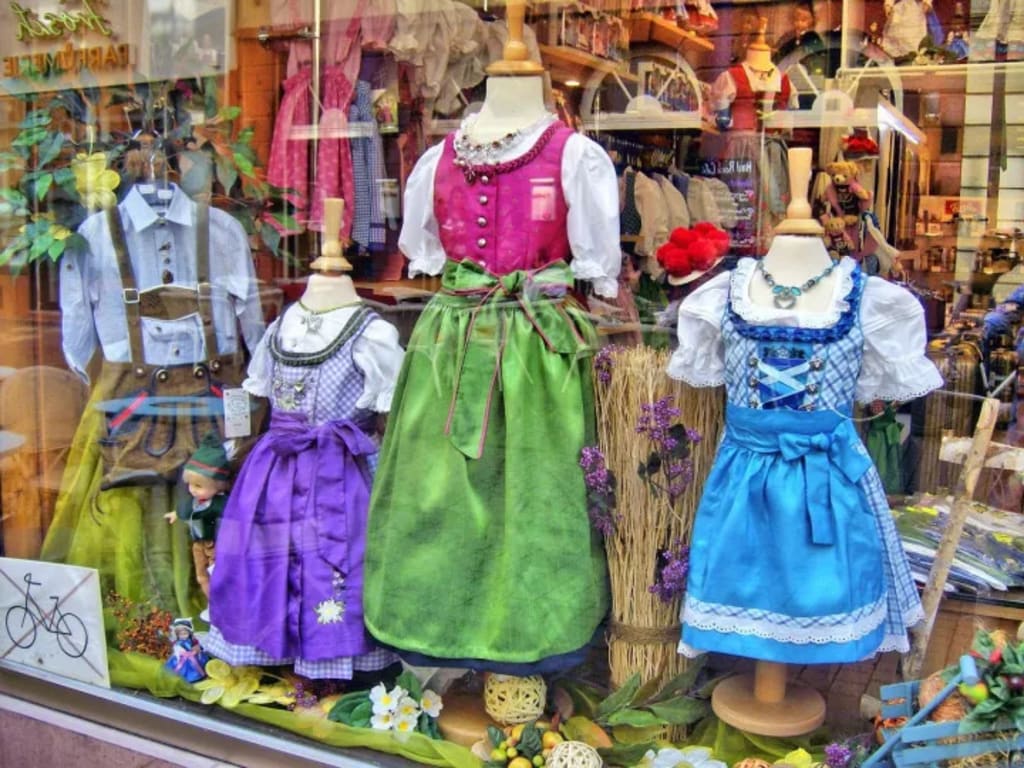
A Dirndl is a traditional dress worn by women in the Alpine regions of Germany, Austria, Switzerland, and parts of Italy. Over the centuries, the Dirndl has transformed from a simple garment used for everyday labor to an iconic symbol of Alpine culture, associated primarily with the regions of Bavaria and Tyrol. The dress is now widely recognized around the world due to its prominence at festivals such as Oktoberfest and its role in representing a deep-rooted cultural heritage.
Understanding the history and cultural significance of the Dirndl requires a closer look at its origins, the components of the outfit, the symbolism attached to how it is worn, and its modern resurgence. In this comprehensive analysis, we will explore the journey of the Dirndl, from its humble beginnings to its present-day status as a fashionable and symbolic attire.
Origins of the Dirndl Dress
The Women Dirndl’s origins can be traced back to the 19th century when it was primarily worn by peasant women living in rural Alpine regions. The word "Dirndl" comes from the German word "Dirn," which means “young girl” or “maid,” and the dress was initially referred to as the "Dirndlgewand," or “maid’s dress.” In its early form, the Dirndl was designed to be a functional outfit for women who worked on farms and in domestic service.
The harsh climate of the Alpine regions, characterized by cold winters and rugged terrain, necessitated a practical and durable form of clothing. The traditional Dirndl was typically made of wool or other heavy fabrics, providing warmth and protection from the elements. The dress was often plain in design, with little ornamentation, reflecting the modest lifestyles of the working class at the time. Women would wear multiple layers to stay warm, and the skirts were long to protect their legs from the cold.
The early Dirndl also had a clear social function. It was not just a garment for labor but also a symbol of a woman’s role within rural society. The dress’s simplicity, durability, and modesty reflected the values of the agrarian communities in which it was worn. Women who wore the Dirndl were typically employed as servants or farmworkers, and their clothing reflected their social status. However, despite its association with workwear, the Dirndl also had a certain charm and beauty, with each region developing its own variations in style and color.
Evolution into Festive and Symbolic Attire
In the late 19th and early 20th centuries, significant social and cultural shifts occurred across Europe, and the Dirndl began to evolve from a simple work garment into a more fashionable and symbolic attire. This transition was driven in part by a growing interest in nationalism and regional identity. People began to romanticize rural life and traditional clothing, which led to a resurgence of interest in folk customs, including the Dirndl.
In Bavaria, for instance, the ruling class and urban elites became fascinated with the idea of preserving the region’s rural heritage. This interest led to the Dirndl being adopted as a form of Tracht, or traditional costume, which was worn not only by rural women but also by those in the upper classes as a way to celebrate their connection to Bavarian traditions. During this period, the Dirndl was transformed into a more elaborate and decorative dress. While it retained its basic structure—bodice, skirt, and apron—the materials became more luxurious, often incorporating silk, lace, and embroidery.
The Dirndl’s popularity grew even more during the early 20th century, when it became a common sight at folk festivals, weddings, and other cultural celebrations. Women from all social classes began wearing the dress as a statement of regional pride and as a way to honor their cultural roots. The Dirndl, once a practical garment of the lower class, had now become a symbol of national identity and tradition.
The Components of a Dirndl Dress
A Dirndl dress consists of several key components, each of which contributes to its unique look and function. The basic elements of a Dirndl are:
Bodice (Mieder): The bodice is the upper part of the Dirndl and is typically fitted to the wearer’s body. It can be laced up the front or back and is often decorated with embroidery, buttons, or hooks. The bodice may be sleeveless, or it may be worn with a blouse underneath. Traditionally, the bodice is designed to accentuate the waist, creating an hourglass figure, which is a characteristic feature of the Dirndl silhouette.
Blouse (Bluse): The blouse is worn under the bodice and is often made of lightweight fabrics such as cotton or lace. The blouse may have short, puffed sleeves or long sleeves, depending on the style of the Dirndl. The neckline of the blouse is usually low-cut, and it plays a key role in enhancing the overall appearance of the outfit. Some modern Dirndls offer blouses with adjustable necklines for a more customizable look.
Skirt (Rock): The skirt is attached to the bodice and typically falls to knee length or below, though modern variations may have shorter skirts. Traditionally, the skirt was made of heavy fabrics to provide warmth, but today, it is often crafted from lighter materials such as cotton, linen, or silk. The skirt may be pleated or gathered, creating a full and flowing silhouette. Floral patterns, stripes, or solid colors are common choices for the fabric of the skirt.
Apron (Schürze): The apron is an essential part of the Dirndl and is tied around the waist. It is often made of a contrasting fabric to the skirt and may be embellished with lace, ribbons, or embroidery. The apron is not only decorative but also has cultural significance. The way the apron is tied indicates the wearer’s marital status:
Tied on the right side means the woman is married or taken.
Tied on the left side means she is single.
Tied in the front indicates that the woman is a virgin.
Tied in the back suggests that the woman is widowed or works as a waitress.
Petticoat (Unterrock): Some Dirndls include a petticoat worn under the skirt to add volume and shape. The petticoat creates a fuller look and enhances the traditional silhouette of the Dirndl.
Accessories: To complete the Dirndl look, women often accessorize with traditional jewelry, such as chokers, brooches, or necklaces made of silver or other local materials. Additionally, shoes such as leather pumps or boots, and sometimes woolen shawls, are worn to complement the outfit.
The Symbolism of the Dirndl Dress
One of the most intriguing aspects of the Dirndl is the cultural significance attached to how it is worn, especially the way the apron is tied. As mentioned earlier, the placement of the apron bow can communicate the wearer’s relationship status, making it a subtle form of social signaling. This tradition adds an element of fun and intrigue to wearing the Dirndl, especially at social events such as folk festivals.
Beyond the apron, the Dirndl as a whole is a symbol of regional pride and cultural identity. It embodies the values of tradition, community, and connection to the land. For many women, wearing a Dirndl is a way to honor their heritage and maintain a connection to the past. Even in today’s modern world, where fashion trends change rapidly, the Dirndl has remained a timeless and beloved garment that continues to be worn with pride.
Regional Variations in Dirndl Design
While the basic structure of the Dirndl remains consistent across different regions, there are subtle variations in style, color, and ornamentation that reflect the local customs and traditions of each area. For example:
In Bavaria, Dirndls tend to feature more vibrant colors and intricate embroidery, with floral patterns being particularly popular. The Bavarian Dirndl is often more elaborate in design, with luxurious fabrics such as silk and velvet being commonly used for festive occasions.
In Austria, Dirndls are often more conservative in design, with darker colors and simpler patterns. Austrian Dirndls may feature less ornamentation but are known for their elegance and understated beauty.
Swiss Dirndls often incorporate elements of Swiss folk art, such as embroidered edelweiss flowers or alpine motifs. The skirts of Swiss Dirndls may be shorter than those worn in Bavaria or Austria, reflecting a different aesthetic preference.
These regional differences add to the richness and diversity of the Dirndl tradition, allowing women to express their individual and cultural identities through their choice of attire.
The Dirndl in Modern Fashion
In the 21st century, the Dirndl has experienced a resurgence in popularity, both as a traditional costume and as a fashion statement. The dress is no longer confined to rural areas or folk festivals; instead, it has become a staple of modern Alpine fashion, embraced by women of all ages and backgrounds.
The rise of Oktoberfest, the world’s largest beer festival, has played a significant role in popularizing the Dirndl on a global scale. Each year, millions of people flock to Munich to take part in the festivities, and many women wear Dirndls as part of the celebration. Oktoberfest has helped to transform the Dirndl from a regional costume into a global fashion trend, with designers creating modern interpretations of the traditional dress that appeal to contemporary tastes.
Modern Variations of the Dirndl
Today, Dirndl designs range from traditional to highly modernized versions. Fashion designers have begun experimenting with different fabrics, patterns, and cuts, offering shorter skirts, vibrant colors, and even more form-fitting designs. There are now Dirndls made for various occasions, from casual versions suitable for day-to-day wear to glamorous, high-end Dirndls designed for weddings or formal events.
One of the appealing aspects of the Dirndl in contemporary fashion is its versatility. While it retains its traditional elements, such as the bodice, skirt, and apron, it can be styled in countless ways to suit the occasion or personal preference. Women can choose to wear a more conservative, traditional Dirndl for a cultural festival or opt for a chic, modern version with a shorter skirt and fashionable accessories for a night out.
The Sustainability of Dirndl Fashion
As sustainability becomes a growing concern in the fashion industry, the Dirndl’s enduring appeal may lie in its ability to transcend fast fashion trends. The craftsmanship and quality of materials used in many Dirndl designs ensure that these garments can be worn for years, often being passed down from generation to generation. Additionally, the versatility of the Dirndl means that it can be styled in multiple ways, reducing the need for frequent purchases of new clothing.
In recent years, there has also been a movement towards reviving and promoting traditional craftsmanship in Dirndl production. Local artisans and small businesses are gaining attention for their dedication to creating high-quality, handmade Dirndls that honor the garment’s cultural heritage while embracing modern sustainability practices.
Conclusion
The Dirndl is much more than a dress—it is a powerful symbol of tradition, culture, and identity. From its humble origins as a work garment worn by peasant women in the Alpine regions, the Dirndl has evolved into a beloved and iconic attire, celebrated for its beauty, versatility, and cultural significance.
In today’s world, the Dirndl continues to be worn with pride, whether at traditional festivals like Oktoberfest or as a fashionable statement in modern life. Its rich history, combined with its adaptability to contemporary fashion trends, ensures that the Dirndl will remain a timeless and cherished garment for generations to come.
About the Creator
JHONLIVER111
We meticulously craft high-quality Lederhosen, Dirndls, shirts, shoes, and more. Elevate your Trachten style and celebrate heritage in comfort and confidence.
https://alpenlederhosen.com/
Keep reading
More stories from writers in Journal and other communities.
The Small Decision You Make at Night That Shapes Tomorrow
We often attribute our successes and failures, our triumphs and stumbles, to grand strategies, bold choices, and unforeseen circumstances. We analyze market trends, meticulously plan our schedules, and obsess over the big moments. However, hidden in plain sight, there's a far more subtle and potent force shaping our daily lives: the small decisions we make at night. These seemingly insignificant choices, made in the quiet hours before sleep, ripple outwards, influencing our energy levels, mood, productivity, and ultimately, the trajectory of our tomorrows.
By Wilson Igbasi6 days ago in Journal
Autonomy Is The Real Privilege
Good morning, freedom-seekers! Today we’re gonna be looking at autonomy. A strange word, I know; one many would probably look at blankly and run away from on sight. We’re gonna figure out what it actually means, consider how it’s achieved, and decipher just how deeply most of us are tangled up in dependence without realising it.
By That ‘Freedom’ Guy5 days ago in Humans




Comments
There are no comments for this story
Be the first to respond and start the conversation.