
Unveiling Pyrolysis and Chemical Recycling: A Deeper Look at Waste-to-Resource Technologies
A Deeper Look at Waste-to-Resource Technologies

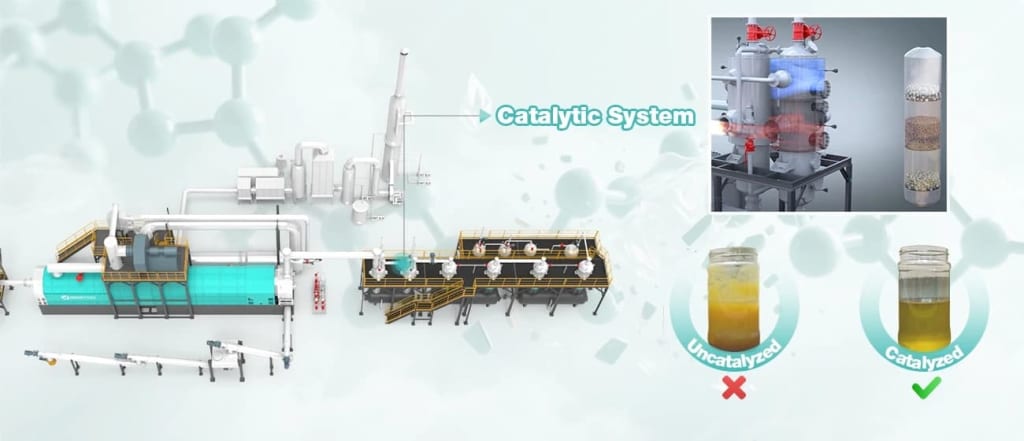
As the world faces increasing waste challenges, new technologies are emerging to transform how we manage and reuse waste materials. Among these technologies, pyrolysis and chemical recycling are two advanced processes gaining attention for their ability to turn waste into valuable products. While often mentioned together, these two methods have unique characteristics and applications. In this blog post, we will explore what makes pyrolysis a specific form of chemical recycling, highlighting their similarities, differences, and the role they play in creating a more sustainable future.
1. What is Pyrolysis?
Pyrolysis is a thermal decomposition process where organic materials, such as plastic, rubber, and biomass, are heated to high temperatures in the absence of oxygen. The absence of oxygen prevents combustion and allows the materials to break down into simpler chemical components. The main products of pyrolysis include bio-oil, syngas, and biochar, all of which have diverse applications in energy production, chemical manufacturing, and even agriculture.
The process occurs at temperatures typically ranging from 350°C to 700°C, and the lack of oxygen helps convert waste materials into useful byproducts without generating harmful emissions. This makes pyrolysis an ideal process for handling non-recyclable waste, such as mixed plastics, tires, and electronic waste (e-waste).
2. What is Chemical Recycling?
Chemical recycling, on the other hand, is a broader category of recycling technologies that involves breaking down waste materials into their chemical components using various chemical reactions. This process includes several different techniques, including pyrolysis, but also hydrolysis, solvolysis, and gasification.
Chemical recycling aims to reverse the polymerization of materials, such as plastics, to recover their building blocks and enable them to be reused as raw materials for new products. It differs from traditional recycling, which typically involves mechanical processes like shredding or melting, by breaking down materials at the molecular level to regenerate high-quality resources.
In the case of plastics, chemical recycling is particularly valuable because it can process mixed, contaminated, or difficult-to-recycle materials that would typically end up in landfills or incinerators.
3. How Pyrolysis Fits into Chemical Recycling
Pyrolysis is considered a specific form of chemical recycling. While chemical recycling encompasses a variety of processes, pyrolysis focuses on thermal degradation of materials in a low-oxygen environment, making it a distinct method within the broader chemical recycling category. Pyrolysis can be seen as one of the most promising techniques in the chemical recycling toolbox due to its ability to handle a wide range of feedstocks, including mixed plastics, biomass, and rubber.
In pyrolysis, heat causes the waste material to break down into smaller molecules without burning them. These smaller molecules are then condensed into liquids (bio-oil), gases (syngas), and solid residues (biochar). This makes pyrolysis particularly effective for turning non-recyclable waste into valuable products, offering an innovative solution to the growing global waste crisis.
4. Key Differences Between Pyrolysis and Other Chemical Recycling Processes
While both pyrolysis and chemical recycling aim to break down waste into useful products, there are important differences between pyrolysis and other chemical recycling methods.
(1) Temperature and Reaction Conditions
Pyrolysis operates at high temperatures (350°C-700°C) and requires a lack of oxygen to prevent combustion. This ensures that the material undergoes thermal decomposition, breaking down into smaller molecules.
Other chemical recycling methods, such as hydrolysis or solvolysis, often use water or solvents at lower temperatures (often below 300°C) to break down waste materials chemically.
(2) Reaction Type
Pyrolysis involves thermal cracking, a process that uses heat to break down complex polymers into simpler chemicals.
Chemical recycling methods like hydrolysis or solvolysis use chemical reactions (such as the addition of water or solvents) to break down the polymer chains in materials like plastics.
(3) Product Output
Pyrolysis primarily produces bio-oil, syngas, and biochar, which can be used for energy generation, chemical production, and agriculture.
Other chemical recycling processes might yield different products such as monomers (basic building blocks of polymers), solvents, or plastics that can be reformed into new products.
(4) Feedstock Flexibility
Pyrolysis is particularly well-suited for heterogeneous waste streams, such as mixed plastics or tires, that are challenging to process with traditional recycling methods.
Other chemical recycling processes, like hydrolysis, are typically better suited for specific materials, such as polyesters or polyurethanes.
5. The Environmental Benefits: Why Pyrolysis is a Game Changer
One of the most significant advantages of pyrolysis, as a part of chemical recycling, is its ability to process non-recyclable waste, including mixed plastics, tires, and rubber, which often end up in landfills or incinerators. By converting these materials into useful products such as bio-oil, syngas, and biochar, pyrolysis (no matter tyre/oil/sludhe/plastic pyrolysis machine) provides a way to reduce the environmental impact of waste while generating valuable raw materials.
Additionally, pyrolysis is more energy-efficient than traditional incineration and landfill methods. Unlike incineration, which produces harmful air pollutants, pyrolysis operates in a controlled environment where emissions can be captured and treated. This makes it a cleaner alternative, especially for handling hazardous waste and plastics that would otherwise release toxic chemicals when burned.
Moreover, biochar produced by pyrolysis is used for carbon sequestration, providing a way to store carbon in soil, which helps mitigate climate change.
6. The Future of Pyrolysis and Chemical Recycling
As global waste management becomes an increasingly pressing issue, the importance of chemical recycling technologies like pyrolysis will continue to grow. Pyrolysis offers a sustainable, cost-effective, and energy-efficient solution to recycle complex materials that are traditionally considered non-recyclable.
The future of chemical recycling lies in scaling up these technologies and improving the efficiency and economics of the processes. As pyrolysis plants become more advanced and economically viable, we can expect them to play a critical role in managing plastic waste, reducing carbon emissions, and promoting a circular economy where waste is seen as a resource.
Conclusion
Both pyrolysis and chemical recycling offer innovative and sustainable ways to turn waste into valuable resources. Pyrolysis, as a specific form of chemical recycling, focuses on the thermal decomposition of waste materials, transforming them into high-value products like bio-oil, syngas, and biochar. While chemical recycling encompasses a broader range of processes, pyrolysis stands out for its ability to process a wide variety of waste materials, including non-recyclable plastics and tires.
By enhancing the efficiency of waste recovery, reducing harmful emissions, and contributing to the circular economy, pyrolysis is paving the way for a cleaner and more sustainable future in waste management.
About the Creator
Bestonpyrolysis
Engaged in waste plastic/tyre/rubber recycling, oil sludge treatment, biomass recycling, sewage sludge management and paper recycling…
https://bestonpyrolysisplant.com/
Keep reading
More stories from Bestonpyrolysis and writers in Journal and other communities.
Oil Sludge, Clean Profits: The Rise of Pyrolysis in Waste Recovery
In the global oil and gas sector, the issue of oil sludge treatment is becoming increasingly critical. As environmental regulations grow stricter and sustainability becomes a core pillar of industrial responsibility, effective management of petroleum-derived waste—especially oil sludge—is no longer optional but essential.
By Bestonpyrolysis7 months ago in Journal
Comparing Requirements for Ambulatory Care Facilities
Introduction Ambulatory care facilities (ACFs) provide medical services to patients who do not require overnight hospitalization. These facilities include outpatient clinics, urgent care centers, surgical centers, and specialized treatment sites. While they share a common focus on outpatient care, requirements for operation, staffing, compliance, and safety vary significantly based on facility type and scope of services. Understanding these differences is essential for healthcare administrators, clinical leaders, and investors. Comparing requirements ensures compliance, patient safety, and operational efficiency, while guiding planning, budgeting, and resource allocation.
By Abdul Mueed2 days ago in Journal
Center Stage with Paul Stewart
*** I'm keen to republish the interviews I did for my series with Vocal creators. It's been a few years and I thought it might be nice to revisit these wonderful conversations. I'll be releasing them one at a time for a few weeks/months.
By Heather Hubler3 days ago in Interview



Comments
There are no comments for this story
Be the first to respond and start the conversation.