
Oil Sludge, Clean Profits: The Rise of Pyrolysis in Waste Recovery
Inside Oil Sludge Pyrolysis

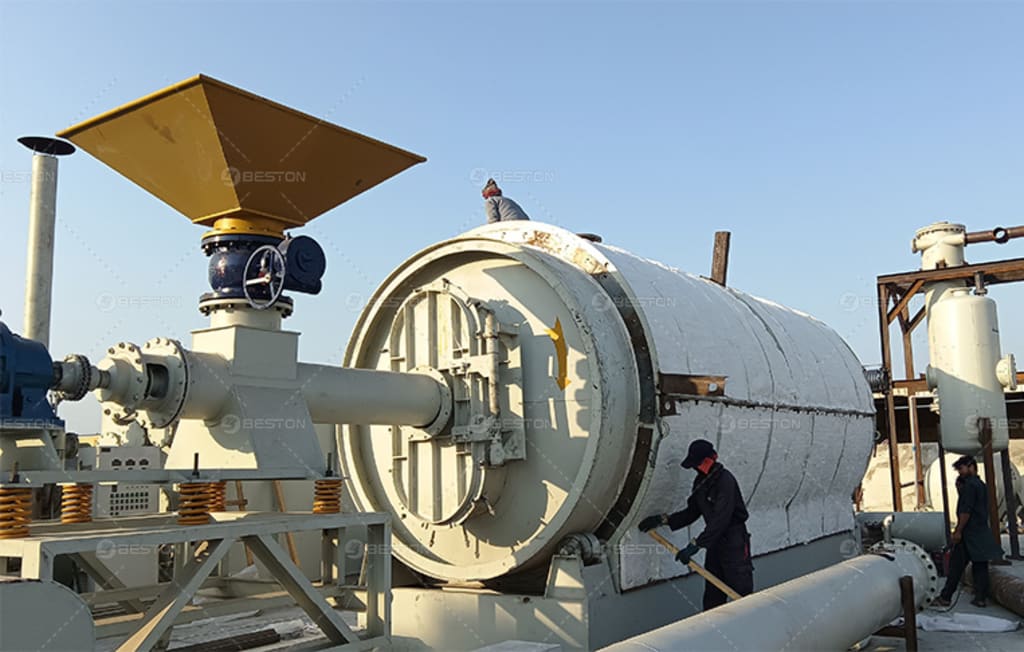
In the global oil and gas sector, the issue of oil sludge treatment is becoming increasingly critical. As environmental regulations grow stricter and sustainability becomes a core pillar of industrial responsibility, effective management of petroleum-derived waste—especially oil sludge—is no longer optional but essential.
Oil sludge is a semi-solid byproduct that accumulates during multiple stages of petroleum operations, including crude oil extraction, transportation, storage, and refining. Its composition is complex, typically containing water, residual hydrocarbons (oil), solid particles (like sand and rust), and toxic heavy metals such as lead, arsenic, and vanadium. If improperly handled, this hazardous waste can lead to severe environmental consequences, including soil degradation, groundwater contamination, and air pollution.
Traditional vs. Modern Oil Sludge Treatment
Historically, oil sludge has been managed using traditional methods such as:
- Landfilling – Often results in long-term soil pollution and risks of leachate entering water systems.
- Incineration – High energy consumption, potential for toxic air emissions, and loss of recoverable materials.
- Chemical Stabilization – Adds cost and complexity while generating additional waste that needs disposal.
While these methods offer basic containment, they fail to address the broader environmental and economic challenges. Moreover, they miss the opportunity to recover valuable resources locked within the sludge.
What Is Oil Sludge Pyrolysis?
Pyrolysis is a thermal decomposition process conducted in the absence of oxygen. In an oil sludge pyrolysis plant, oil sludge is heated in a sealed reactor at high temperatures (typically 350–500°C), breaking it down into three main products:
- Fuel oil (can be used or refined further)
- Non-condensable gas (can be used to heat the reactor)
- Solid residue (mostly carbon black and inert material)
Benefits of Oil Sludge Pyrolysis Plants
- Resource Recovery: The process converts waste into valuable fuel oil and gas, reducing dependency on fossil fuels.
- Environmental Protection: With zero emissions technology, the oil sludge treatment plant minimizes environmental impact and complies with international standards.
- Energy Efficiency: The pyrolysis process is self-sustaining, as the non-condensable gas can be reused as a heat source for the system.
- Scalability and Flexibility: Suitable for various types of sludge, including oil tank sludge, refinery waste, and drilling mud.
Applications and Use Cases
1. Refineries and Petrochemical Plants
On-site pyrolysis units are increasingly being integrated into refinery operations to process tank bottom sludge and reduce environmental liabilities while recovering usable hydrocarbons.
2. Drilling and Upstream Operations
Oil exploration companies use mobile or modular pyrolysis plants to treat drilling waste (e.g., oil-based muds) directly at the wellsite, minimizing the need for transportation and third-party disposal.
3. Environmental Service Providers
Waste management firms offer turnkey sludge pyrolysis services—either through fixed installations or mobile units—to municipalities, ports, and oil depots seeking sustainable remediation solutions.
Future Outlook: Oil Sludge Treatment as a Strategic Imperative
As the global energy industry transitions toward cleaner operations, waste valorization technologies like pyrolysis will play a central role in shaping a circular economy within oil and gas. Forward-thinking companies are not only investing in these systems for compliance reasons but also to build competitive advantage through environmental stewardship and cost efficiency.
Conclusion
Oil sludge pyrolysis is more than a waste treatment method—it is a sustainable resource recovery solution that aligns economic gain with ecological responsibility. By adopting modern pyrolysis technology, oil and gas companies can turn a long-standing liability into a strategic asset.
Whether your operations are upstream, midstream, or downstream, integrating oil sludge pyrolysis into your waste management framework is a smart, scalable, and future-ready move toward sustainability.
With growing concerns about waste management and sustainable energy, investing in an oil sludge pyrolysis plant is not only environmentally responsible but also economically smart. Whether you're in upstream or downstream operations, modern oil sludge treatment processes offer a clean and efficient solution to an age-old problem.
About the Creator
Bestonpyrolysis
Engaged in waste plastic/tyre/rubber recycling, oil sludge treatment, biomass recycling, sewage sludge management and paper recycling…
https://bestonpyrolysisplant.com/
Keep reading
More stories from Bestonpyrolysis and writers in Journal and other communities.
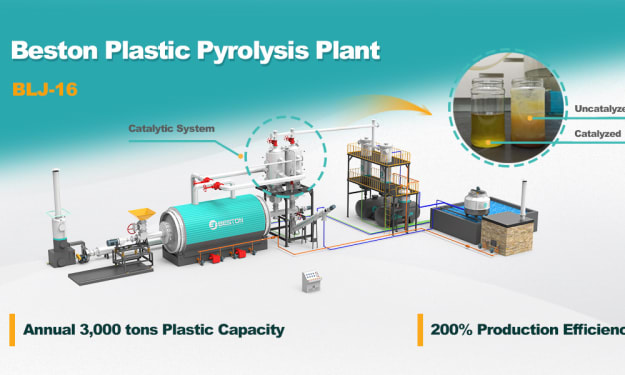
Rethinking Plastic Waste: The Rise and Design Evolution of Plastic Pyrolysis Equipment
In the age of environmental urgency, plastic waste has become one of the most daunting global challenges. From single-use packaging to industrial polymers, the accumulation of non-biodegradable plastic is choking ecosystems and overwhelming landfills. Enter plastic pyrolysis equipment—a transformative technology that not only addresses plastic pollution but also contributes to circular economy efforts by converting waste into usable fuel.
By Bestonpyrolysis7 months ago in Journal
The goals I did not achieve
Every writing goal I made for the year is a wash. It has been this way for a while, but I think it's important to be open about my failures and the reality of how life can get in the way. This is especially true considering the several times I have posted on Vocal about my writing goals, how I was changing my approach, and where I was hoping to be for the upcoming year. I will probably do that again in a couple months, but for now, it is time to acknowledge where I am today.
By Kay Husnick24 days ago in Journal


Comments
There are no comments for this story
Be the first to respond and start the conversation.