
Ukraine's Sting Op Exposed US Intel Leaks To Russia
Fact or fiction?

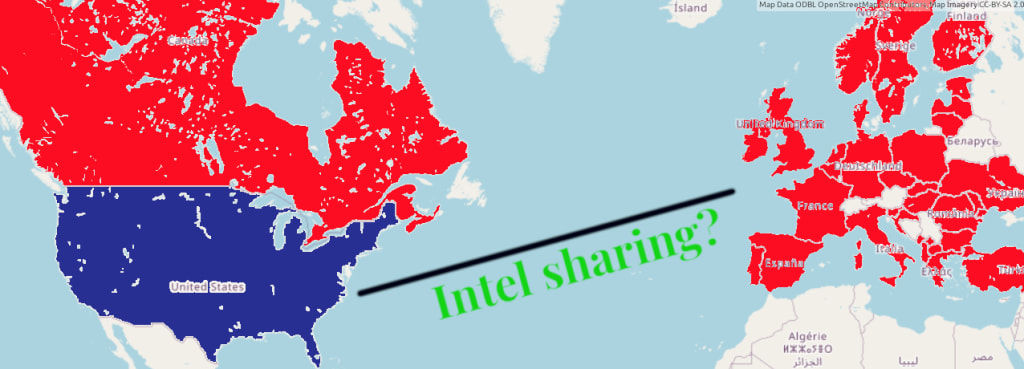
In mid-January 2026, a revelation from a former French intelligence operative sent shockwaves through the geopolitical community. Speaking on LCI television, Vincent Crouzet, a retired DGSE agent, claimed that Ukraine had conducted a deliberate sting operation on U.S. intelligence channels.
The goal? To test whether sensitive information shared with Washington would mysteriously end up in Moscow's hands. According to Crouzet, the Ukrainians fed false data into the system — and watched as it surfaced in Russian possession almost immediately. This explosive allegation, first analysed in depth by James Marinero on Medium, has reignited fierce debate over the integrity of Western intelligence-sharing during the ongoing Ukraine conflict.
The sting operation, if true, exposes a critical vulnerability in the NATO alliance's information ecosystem. Crouzet's account draws from his own experiences in counter-espionage and his book "The Secret Agent" (published in French as "Un Agent Secret"), where he details similar tactics used in past operations. He asserts that the Ukrainians, frustrated by repeated leaks that compromised their battlefield strategies, decided to verify the source.
By planting disinformation about military plans or troop movements, Kyiv could track its path back to Russian forces or state media. The rapid appearance of the fake intel in Moscow's sphere confirmed their suspicions: somewhere in the U.S. pipeline, information was being funnelled eastward.This incident comes at a particularly tense moment in US-Ukraine relations.
Under the Trump administration, aid to Kyiv has faced renewed scrutiny, with delays in weapon deliveries and questions over long-term commitment. The sting raises uncomfortable questions about whether U.S. agencies — possibly the CIA or NSA — have been infiltrated, or if there's a deeper issue with protocol breaches or insider betrayal. While neither Washington nor Kyiv has officially confirmed or denied the operation, anonymous sources in European intelligence circles have corroborated Crouzet's claims, suggesting it occurred sometime in late 2025.
The lack of rebuttal from either side only fuels speculation, with some analysts pointing to historical precedents like the Cold War's "Farewell Dossier," where disinformation was used to expose moles.
Beyond the immediate embarrassment for U.S. intelligence, the broader implications are profound. If Ukraine felt compelled to test its closest ally, it signals a erosion of trust that could hamper coordinated efforts against Russia. NATO's intelligence-sharing mechanisms, designed to pool resources and enhance collective security, rely on absolute confidence between members.
A confirmed leak to Moscow would not only validate Ukraine's paranoia but also raise alarms about Russian penetration of Western systems — potentially through cyber means, human assets, or even unwitting policy channels.Marinero’s original piece argued that the sting was less about outright distrust of Washington and more about Ukraine safeguarding its own operational security in a high-stakes war.
After all, Kyiv has been on the receiving end of devastating leaks before, including details of counteroffensives that appeared in Russian media.
With no official investigation announced as of late January 2026, the story continues to simmer, prompting calls for transparency from European allies and U.S. congressional oversight committees.In an era of hybrid warfare, where information is as lethal as missiles, this episode underscores the fragility of alliances. As Crouzet himself noted, "The secret world is built on trust — but verify." Whether this sting leads to reforms or further fractures remains to be seen, but one thing is clear: the shadows of espionage are lengthening.
Ukraine has denied that the sting took place and the US has not commented.
Crouzet himself later clarified he spoke of suspicions/risks of leaks, not a confirmed sting operation. Ukraine's GUR denied the more sensational versions as disinformation.
This all comes on top of the Guardian story about a Witkoff cellphone conversation with a Putin advisor that was leaked by a European government agency? The world of espionage is a dirty place.
Truth is the first casualty of war.
About the Creator
James Marinero
I live on a boat and write as I sail slowly around the world. Follow me for a varied story diet: true stories, humor, tech, AI, travel, geopolitics and more. I also write techno thrillers, with six to my name. More of my stories on Medium
Keep reading
More stories from James Marinero and writers in Journal and other communities.
Why Are Urbanization and Construction Needs Driving the Global PVC Pipes Market?
Rising Demand from Construction & Infrastructure Development The global demand for PVC pipes has been increasing steadily at a rapid pace owing to the expansion and development of construction and infrastructure everywhere. Besides, the urbanization trend of people moving to cities and the need for water transportation and sewage disposal that have to be properly done in the residential, commercial and industrial sectors have played a part in pushing up the price of PVC pipes in every corner of the earth. The demand for f piping systems that are durable, light, and cheap still exists in 2025 with the commitment of global funds to the development of smart cities, housing, and rural water systems. PVC piping that has been chosen most often because it does not corrode easily, has a long life span, and is easier to install when compared to other kinds like steel or copper has a market. The piping industry is also getting a boost from the establishment of irrigation and wastewater management systems in the developing nations. Sustainability in construction materials is a market-quality development that encourages developers to use recycled PVC products. The demand from many sectors has made PVC pipes a crucial part of today's global infrastructure ecosystem.
By Frank Morganabout 4 hours ago in Journal



Comments
There are no comments for this story
Be the first to respond and start the conversation.