
UAE Halal Cosmetics Market to Surpass $5.3 Billion by 2033 on Rising Demand for Ethical and Religious Beauty Products
Growth fueled by increased disposable incomes, e-commerce expansion, influencer marketing, and adherence to Islamic principles

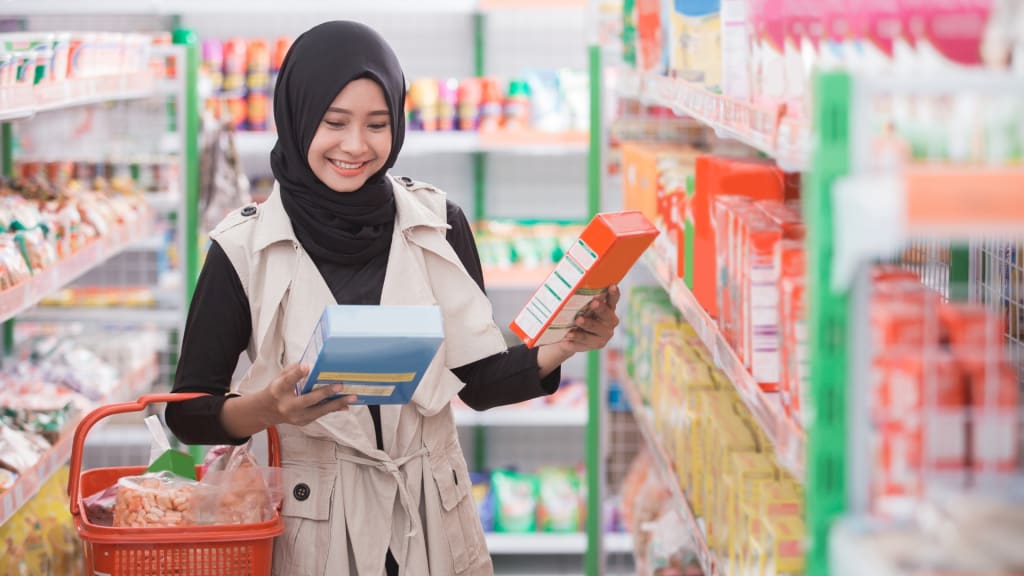
UAE Halal Cosmetics Market Overview
According to Renub Research Latest Report UAE halal cosmetics market is projected to reach US$ 5.31 billion by 2033, up from US$ 1.72 billion in 2024, at a CAGR of 13.35% from 2025 to 2033. Rising religious observance, ethical and natural product preferences, increasing disposable incomes, e-commerce penetration, and influencer marketing are key drivers of this rapid growth.
Halal cosmetics, free from alcohol, animal-derived ingredients, and cruelty, are gaining traction among Muslims and non-Muslims seeking safer and cleaner beauty alternatives. The market benefits from government support for halal certification, rising awareness of cultural identity, and the UAE’s status as a regional hub for beauty products.
E-commerce platforms and social media influencers have expanded access to halal-certified products, especially among younger demographics. Innovations in formulations and packaging, coupled with increasing certification initiatives, are further boosting market adoption.
👉 Want to explore detailed market trends, segment insights, and forecasts? 🔗 Request Sample Report
1. Compliance with Religion and Culture
Halal cosmetics adhere to Islamic principles, prohibiting non-halal ingredients like alcohol and pig byproducts. Certification reassures consumers about ingredient sourcing and religious compliance, enhancing trust, loyalty, and credibility. These ethical standards also appeal to non-Muslim consumers, broadening the market.
2. Growing Awareness of Clean and Ethical Beauty
Consumers increasingly prefer cruelty-free, vegan, and chemical-free products, aligning with the global clean beauty trend. Halal cosmetics offer perceived safety and ethical integrity, making them a preferred choice amid rising concerns over skin sensitivity, animal welfare, and environmental impact. Social media and digital platforms are educating consumers, increasing demand for transparent, responsibly produced cosmetics.
3. Expanding Muslim and Youth Populations
The UAE’s growing Muslim population and young, image-conscious demographic are driving demand. Millennials and Gen Z are influenced by social media trends, favoring products that align with cultural, ethical, and aesthetic values. These younger consumers are increasingly willing to invest in premium halal-certified products, supporting long-term market growth.
Challenges
1. Lack of Standardized Certification
The absence of a uniform, widely accepted halal certification creates confusion among consumers. Varying standards and “halal-washing”—false halal claims—can erode trust and damage brand reputation. Government-backed, standardized certification could enhance market credibility and transparency.
2. High Production Costs
Manufacturing halal cosmetics involves strict compliance with Islamic law, premium ingredient sourcing, contamination-free facilities, and regular audits. These requirements increase production costs, which are often passed on to consumers, limiting affordability and market penetration, especially among price-sensitive buyers.
👉 For deeper analysis, detailed segment data, and company insights: 🔗 Request Customization Report
By Product Type:
Personal Care Products
Color Cosmetics
Fragrances
By Application:
Hair Care
Skin Care
Face Care
Beauty Care
By Distribution Channel:
Hypermarkets & Supermarkets
Online Stores
Convenience Stores
Specialty Stores
Others
Competitive Landscape
Leading players in the UAE halal cosmetics market include:
Estee Lauder
L’Oréal
S&J International Enterprises
Kao Corporation
Clara International Beauty Group
INIKA
AMARA COSMETICS
WARDAH COSMETICS
SAMPURE MINERALS
HALAL COSMETICS COMPANY
These companies are focusing on R&D, product innovation, halal certification, and influencer marketing to capture market share in a highly competitive landscape.
Future Outlook
The UAE halal cosmetics market is poised for strong growth due to:
Rising religious and cultural compliance
Increasing demand for ethical, clean, and vegan beauty products
Younger consumers adopting premium halal-certified products
Expansion of e-commerce and social media marketing
Strong government support for halal certification and standards
As consumer awareness grows and product accessibility improves, the UAE is expected to remain a key hub for halal cosmetics innovation and adoption in the Middle East.
Note: If you need details, data, or insights not covered in this report, we are glad to assist. Through our customization service, we will collect and deliver the information you require, tailored to your specific needs. Share your requirements with us, and we will update the report to align with your expectations.
About the Creator
Marthan Sir
Educator with 30+ years of teaching experience | Passionate about sharing knowledge, life lessons & insights | Writing to inspire, inform, and empower readers.
Keep reading
More stories from Marthan Sir and writers in Journal and other communities.
China Water Desalination Market Set to Reach $4.66 Billion by 2033 Amid Freshwater Shortages and Industrial Demand
Market Overview According to Renub Research Latest Report China Water Desalination Market is expected to grow from US$ 1.84 billion in 2024 to US$ 4.66 billion by 2033, achieving a CAGR of 10.88% between 2025 and 2033.
By Marthan Sir4 months ago in Journal
Silver Screen Magic with Mae West
American actress and singer Mae West became a popular film actress during the Great Depression. She started entertaining in vaudeville, then performed on Broadway, and finally went to Hollywood. She signed up with Paramount Pictures and made her debut in the 1932 film “Night After Night.” She also starred in musicals, comedies, and crime dramas. The American Film Institute named her one of the best classic Hollywood actresses.
By Rasma Raisters7 days ago in Geeks




Comments
There are no comments for this story
Be the first to respond and start the conversation.