
The Unknown fact about Titanic movie
"Hidden Stories from James Cameron’s Timeless Masterpiece"

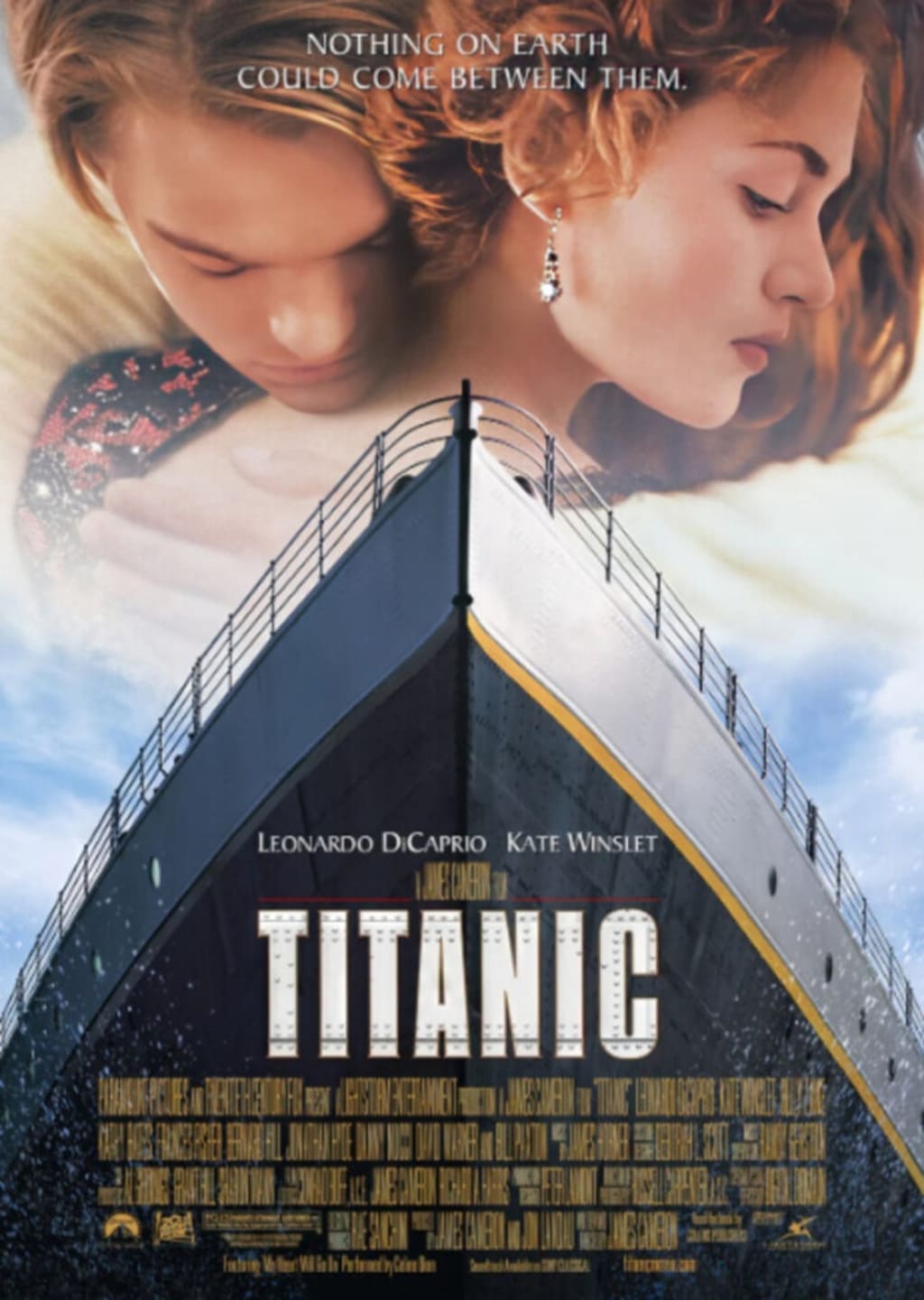
The story behind the ship, the film, and the phenomenon
When we sit down to discuss the world’s most iconic ships, the name Titanic inevitably surfaces. The very word carries with it an air of wonder and tragic grandeur. It was t
his sense of awe that legendary director James Cameron brought to life on the silver screen in 1997, capturing the imagination of audiences around the globe.
The ill-fated love story of Jack and Rose aboard a majestic ship doomed by an iceberg is now etched into cinematic history. Stepping away from his usual science fiction forte, Cameron blended romance and tragedy in a way that redefined his artistic identity.
But behind the sweeping score and timeless imagery lies a fascinating web of stories, secrets, and surprises. Here are 11 lesser-known facts about the making of this cinematic masterpiece.
1. A Childhood Obsession
James Cameron’s fascination with ships began early in life, and the Titanic was at the heart of it. After watching the 1992 IMAX documentary Titanica, he became determined to see the wreckage with his own eyes. But deep-sea dives are expensive—so Cameron got creative.
He pitched a feature film idea to 20th Century Fox, proposing an epic romance set aboard the doomed vessel. The studio, riding high off Terminator 2, agreed. The result? Cameron not only made the movie but also fulfilled his dream of visiting the real Titanic wreck—all under the guise of “research.”

2. Casting Conundrums
Securing the right cast was no easy task. For Jack Dawson, over a hundred actors auditioned—including Johnny Depp, Christian Bale, Tom Cruise, and even Macaulay Culkin. Cameron initially wanted River Phoenix, but his untimely death changed those plans. Matthew McConaughey was briefly considered, too.
As for Rose? Hollywood’s finest—from Drew Barrymore to Gwyneth Paltrow—were on the list. Paltrow was nearly finalized, but Kate Winslet’s relentless pursuit of the role paid off. She even recommended Leonardo DiCaprio, who ultimately became Jack.

3. The First Scene Filmed
The first scene shot wasn’t on the grand staircase or amid icy chaos—it was the intimate moment where Jack sketches Rose. At the time, most of the set was incomplete. Fun fact: those weren’t DiCaprio’s hands drawing. They were James Cameron’s.
Cameron, an accomplished illustrator, created all the sketches seen in the film. The now-famous portrait of Rose was later auctioned for $16,000 in 2012.

4. Blending Fact and Fiction
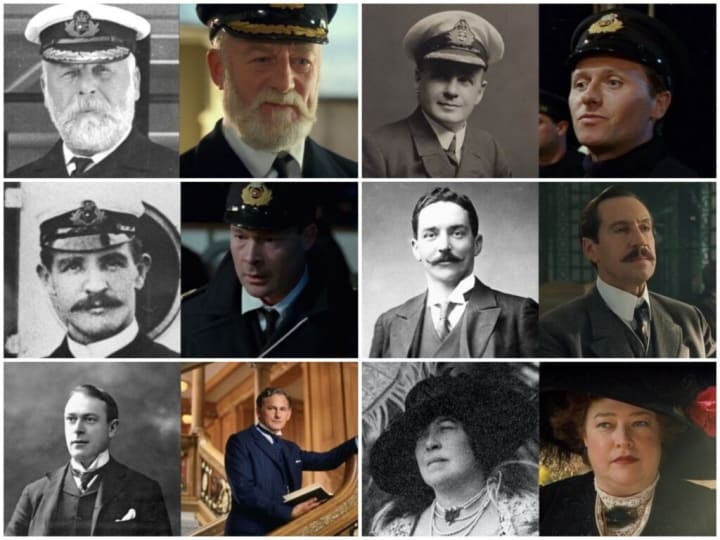
While Jack and Rose were fictional creations, many of the film’s supporting characters were based on real people. Cameron took great care to weave fiction into authentic history.
Real-life figures depicted in the film include:
Captain Edward Smith
Margaret "Molly" Brown
John Jacob Astor
Thomas Andrews
J. Bruce Ismay
Officer William Murdoch
Charles Lightoller
Joseph Boxhall
Harold Lowe
5. A Ship Rebuilt from History
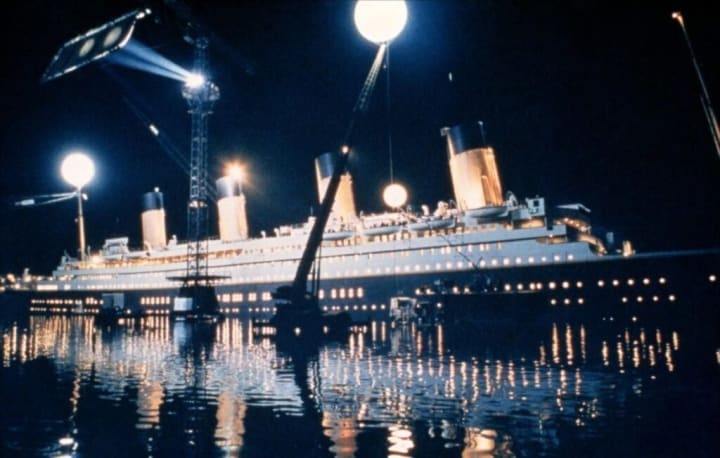
To bring the Titanic to life, a near full-scale replica of the ship was built in Baja Studios, Mexico. Some features were resized for cinematic effect—the smokestacks and lifeboats were 10% smaller, while the grand staircase was made 30% wider for visual drama.
Cameron used original blueprints and collaborated with historians Don Lynch and Ken Marschall. Every detail—from furniture to etiquette—was researched and re-created with near-obsessive precision.
6. Filming the Sinking
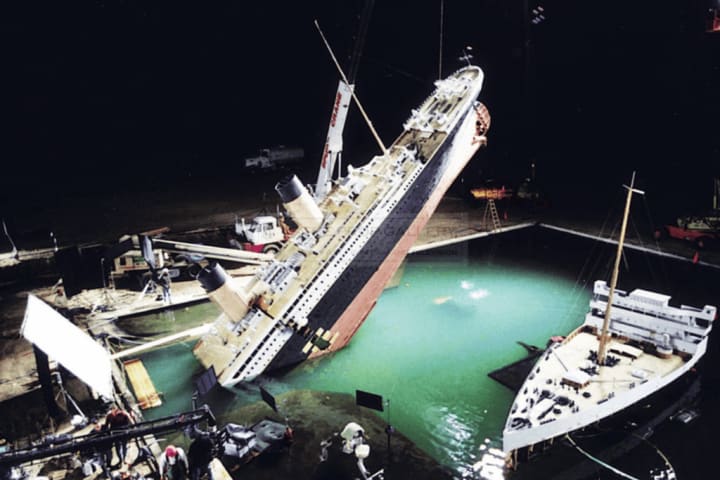
The climactic sinking sequence was a logistical nightmare. A 45-foot model, over 1.3 million liters of water, and more than 250 cast and stunt performers were involved.
The cold water took a toll—many fell ill, and Kate Winslet even suffered hypothermia. In total, more than 19 million liters of water were used throughout the shoot.
7. A Sinister Sabotage
In one of the film’s strangest moments, about 80 crew members suddenly fell sick after lunch. At first, food poisoning was blamed, but tests revealed the real culprit: PCP, a powerful hallucinogen, had been slipped into the chowder.
Though the perpetrator was never caught, suspicions fell on a former food service employee with a grudge.

8. A Song That Almost Didn’t Happen
James Cameron initially wanted Titanic to avoid traditional songs. But composer James Horner had other ideas. Without Cameron’s knowledge, he recorded “My Heart Will Go On” with Celine Dion.
When Cameron finally heard the track, he was moved—and the song went on to become an Oscar-winning global phenomenon.

9. The Floating Door Debate
The floating door that saves Rose (but not Jack) sparked decades of debate. That piece of wood was actually modeled after a real panel recovered from the wreck. Today, the original rests at the Maritime Museum of the Atlantic in Nova Scotia, Canada.

10. A Budget That Sank Expectations
Cameron initially promised to keep the budget under $80 million. But costs quickly ballooned to $200 million, including marketing—making Titanic the most expensive film ever made at the time.
Studio executives warned Cameron he’d forfeit his $8 million director’s salary if the film flopped. Instead, Titanic earned over $2.1 billion worldwide, becoming the first film to cross the $1 billion mark. Its 3D re-release in 2012 added another $343 million.

11. Oscar Glory
TITANIC made history at the 1998 Academy Awards, earning 14 nominations and tying the record with All About Eve (1950). It went on to win 11 Oscars—including Best Picture and Best Director—securing its place in cinematic history.
------
From the depths of the Atlantic to the heights of Hollywood, Titanic continues to inspire awe nearly three decades later. And as long as hearts go on, its story will too.
About the Creator
Riham Rahman
Writer, History analyzer, South Asian geo-politics analyst, Bengali culture researcher
Aspiring writer and student with a deep curiosity for history, science, and South Asian geopolitics and Bengali culture.
Asp
Keep reading
More stories from Riham Rahman and writers in Journal and other communities.
Knives Out: A Close Crime, A Distant Gaze
"Whodunnit!"—a term primarily used to describe detective stories or crime thrillers—wasn’t in vogue until the 1930s. It became shorthand for a very specific kind of fiction that emerged in the post-World War I era, where the central mystery revolved around uncovering the identity of a murderer. As the phrase suggests, a whodunnit is all about the suspense: who actually committed the crime?
By Riham Rahman 10 months ago in Journal


Comments
There are no comments for this story
Be the first to respond and start the conversation.