
The Silent Health Crisis: Why We Need to Pay Attention Before It’s Too Late
A growing number of people feel exhausted, stressed, and unwell and many don’t even realize how close they are to burnout.

We live in a world where everyone seems to be constantly moving, constantly working, constantly juggling something. The modern pace of life has become so fast that slowing down feels like a luxury, and resting feels like a guilty pleasure. But behind this obsession with productivity and “pushing through,” something worrying is happening people’s health is quietly deteriorating.
What’s even more concerning is how normal this deterioration has become. Fatigue? “Just drink coffee.” Stress? “It’s part of life.” Back pain? “Everyone has it.” Anxiety? “Relax.” Sleep problems? “Happens to everyone.”
We’ve started treating health issues not as warnings, but as background noise. And that’s exactly how a health crisis begins: silently.
We Are More Connected Than Ever Yet More Unhealthy Than Ever
Technology has helped us in countless ways, but it has also created a lifestyle that isn’t kind to the human body or mind. We wake up to notifications and fall asleep to glowing screens. Many people spend more time staring at their phones than interacting with real people. We’ve replaced walking with scrolling, talking with texting, relaxing with binge-watching, and thinking with checking our feeds. Also take a look at out
And while all of this seems harmless on the surface, it has consequences:
- Increased anxiety
- Decreased focus and memory
- Trouble sleeping
- Constant fatigue
- Declining physical fitness
There’s nothing wrong with using technology but when we’re constantly stimulated, constantly distracted, constantly online, our bodies never fully rest.
Modern Stress Has Become a Health Hazard
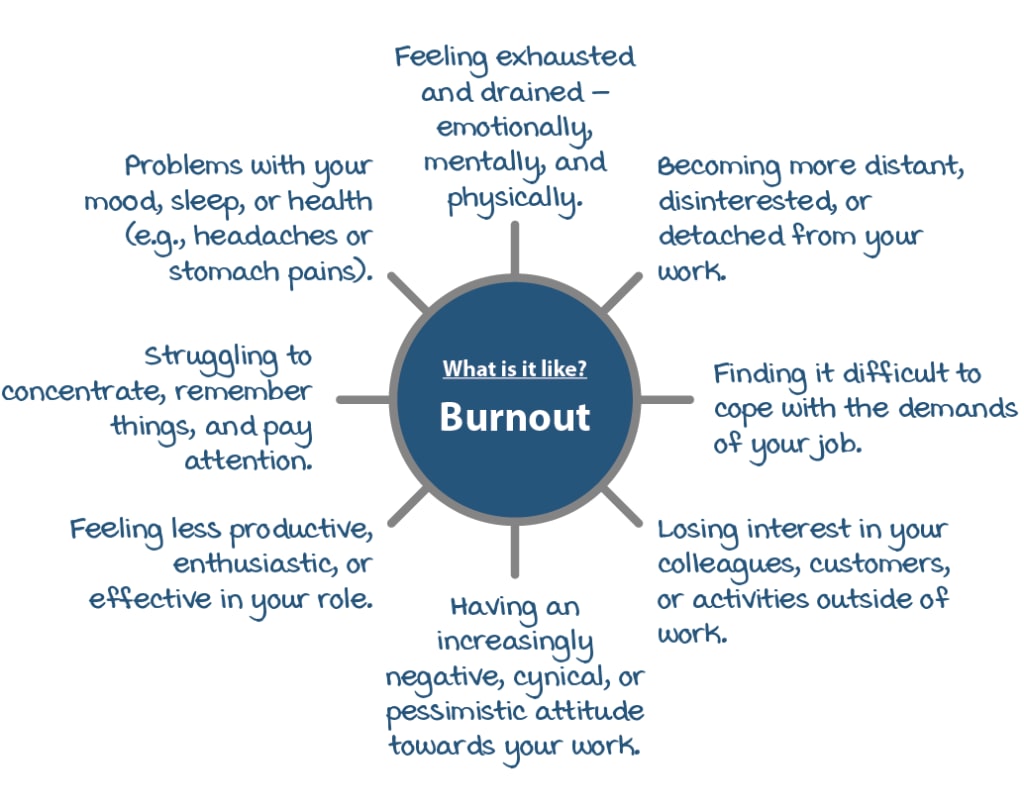
The word “stress” gets thrown around so casually that we forget it’s not just an emotion it’s a physiological response. Long-term stress affects everything: digestion, heart health, hormones, mood, immunity, and even the way we think.
Many people don’t realize they’re living in a near-permanent state of stress. It shows up quietly:
- You wake up tired, even after a full night’s sleep.
- You feel irritated over small things.
- Your shoulders are always tense.
- You get frequent headaches.
- You can’t focus for long periods.
- You feel overwhelmed even by simple tasks.
Nutrition and Movement: Two Things We’re Neglecting the Most
or a species that thrives on movement, many people are shockingly inactive. Long hours sitting at desks, working from home, committing to screens instead of walks — the human body simply wasn’t designed for this lifestyle.
Meanwhile, our food choices have shifted dramatically:
- Quick meals instead of balanced meals
- Sugary drinks instead of water
- Snacks replacing proper nourishment
- Eating in front of screens instead of focusing on hunger cues
- It’s not surprising that so many people feel sluggish and unfocused.
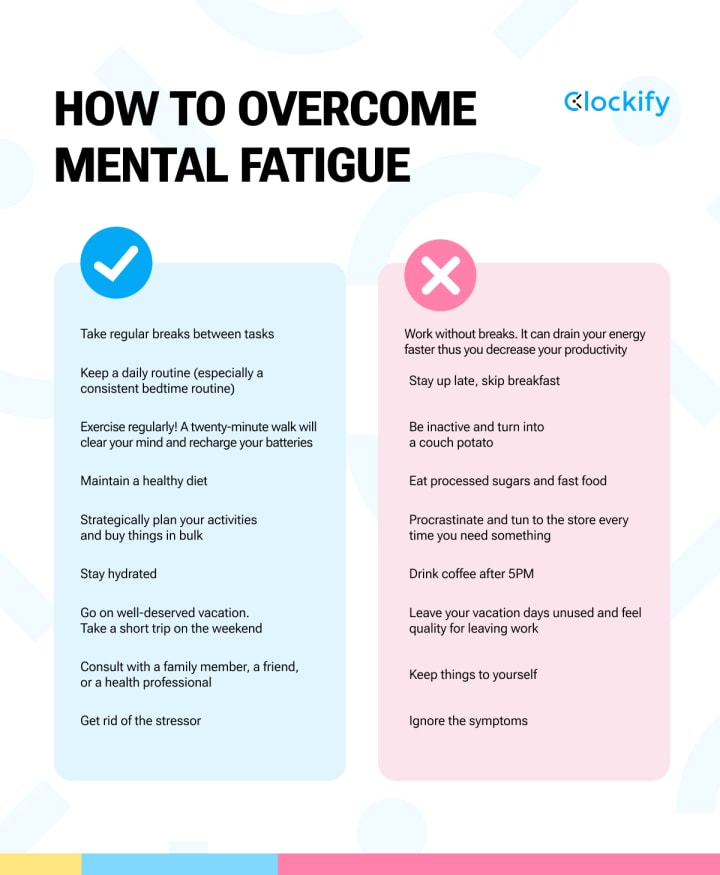
A healthy body isn’t built through extreme diets or gym memberships or code — it’s built through consistency, awareness, and basic care. Something as simple as drinking more water, taking a daily walk, stretching your back, or choosing whole foods can change the way your body feels.
We Need to Start Listening to Our Bodies Again
One of the biggest problems today is that many people don’t truly hear what their bodies are trying to say. Pain, fatigue, headaches, anxiety — these aren’t glitches. They’re signals. The body speaks, but we’ve stopped listening.
Think about how much pressure we put on ourselves:
- To work harder
- To achieve more
- To stay available 24/7
- To never show weakness
- To keep going even when we’re drained
Somewhere along the way, taking care of ourselves became secondary. But here’s the truth few people want to admit: Health is the foundation of everything. Without it, nothing else works not your ambitions, not your relationships, not your dreams.
Small Changes Matter More Than Perfection
Improving health doesn’t have to mean a complete lifestyle overhaul. Not everyone can quit their job, join a yoga retreat, or make dramatic changes. And that’s okay.
What matters is doing small things with intention:
- Drink more water
- Step outside for fresh air
- Take a five-minute stretch break
- Limit screen time before bed
- Choose real food over processed food
- Speak kindly to yourself
- Rest when you’re tired — without guilt
These aren’t glamorous habits, but they work. Health isn’t built on intensity it’s built on consistency.
We’re living in a time where illness looks normal and exhaustion looks productive. But if we don’t start paying attention now, we’ll pay for it later with interest.
About the Creator
Monkey.D Garp
🙋🏽♂️ Copy Ninja
📚 Avid Reader & Deep Thinker
📝 Reviewer • Commentator • Essay Writer
🎓 Curious Mind with a Love for Learning
I have:
📖 Growing reads across Vocal
Keep reading
More stories from Monkey.D Garp and writers in Journal and other communities.
Einstein’s Early Struggle: The 1895 Swiss Federal Polytechnic Entrance Exam and Lessons in Talent and Perseverance
In 1895, a 16-year-old Albert Einstein faced a setback that many might have seen as a sign of failure: he failed the entrance exam for the Swiss Federal Polytechnic in Zurich. While this moment is often remembered as a youthful stumble in the life of one of history’s greatest scientific minds, it offers profound insights into the nature of talent, learning, and perseverance. Einstein’s experience reminds us that early academic challenges do not define one’s potential, and that success often comes from persistence and leveraging one’s strengths.
By Salaar Jamaliabout 23 hours ago in Journal
Wild Card Weekend Recap: What Happens Now?
I think I figured out why I love Wild Card Weekend so much. It's because it's the first playoff anything of the calendar year. The NFL season starts in the fall, and once upon a time, the champion was crowned either on or slightly before New Year's. The evolution of the NFL schedule has resulted in the playoffs starting just into the New Year, and currently, the final week of the season falls on the first weekend of the New Year, with Wild Card Weekend coming a week after that. So yes, chronologically, the NFL's Wild Card Weekend serves as the first playoff anything of the calendar year.
By Clyde E. Dawkins5 days ago in Unbalanced



Comments
There are no comments for this story
Be the first to respond and start the conversation.