
The Role of AI in Modern Human Resources Management
AI is transforming human resources by automating recruitment, enhancing employee engagement, and enabling data-driven performance management. It streamlines compliance but requires careful handling to avoid bias and protect privacy.
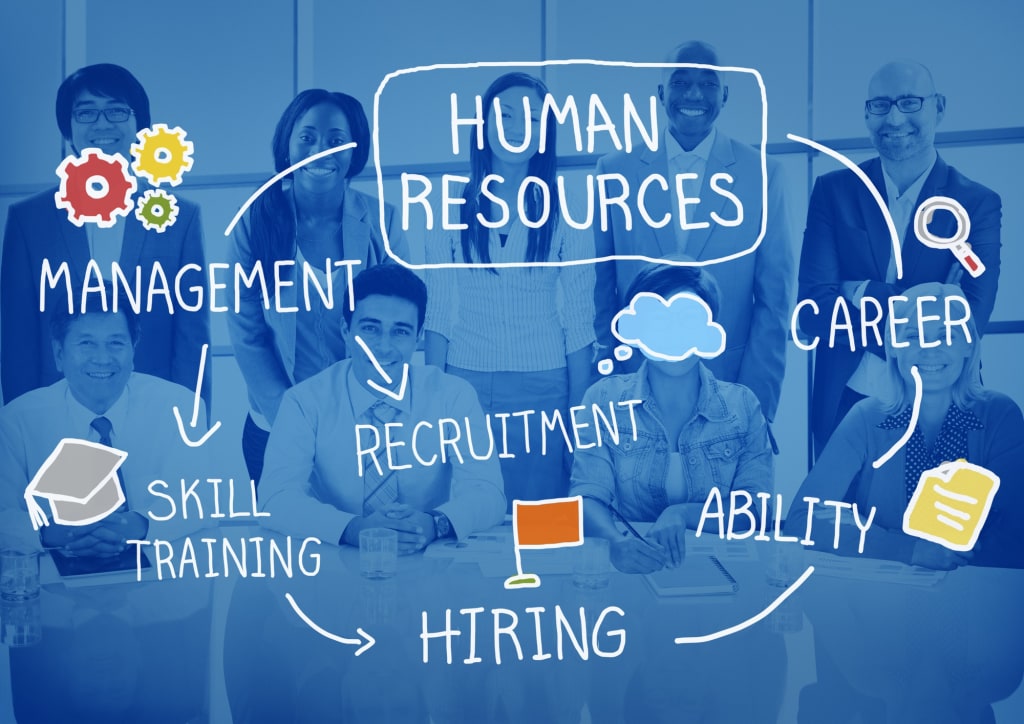
In recent years, technological advancements have transformed industries, and human resources management (HRM) is no exception. Automation and data-driven tools are reshaping traditional processes, streamlining operations, and enabling more strategic decision-making. For organizations seeking efficiency, scalability, and improved employee engagement, incorporating intelligent systems offers a compelling advantage. However, understanding the nuances of how these tools can enhance HRM requires a deep dive into their various applications and potential challenges. This article explores the significant role emerging technologies play in modern HRM, providing insights for those in technical and leadership roles on how it can optimize workforce management.
Technology-Driven Talent Acquisition
One of the most transformative areas where modern technology has made an impact is talent acquisition. Traditional recruitment methods are often time-consuming and prone to bias. Intelligent systems, such as automated resume screening tools and predictive analytics, have drastically improved the efficiency and fairness of hiring processes.
Automated applicant tracking systems (ATS) use natural language processing (NLP) to scan resumes, identify top candidates, and rank applicants based on predefined criteria. These platforms can evaluate thousands of resumes in a fraction of the time it would take a human recruiter, while minimizing human error. Additionally, technology can analyze historical hiring data to predict which candidates are most likely to succeed in a role, allowing HR teams to focus their efforts on high-potential applicants.
However, while these tools can eliminate some biases in recruitment, they can also inadvertently reinforce others if the algorithms are trained on biased data. Organizations must ensure their systems are designed with fairness and inclusivity in mind, regularly auditing platforms to prevent unintended discrimination.
Enhancing Employee Experience with Intelligent Tools
Technology's role in enhancing the employee experience has been significant. Modern HRM now focuses not just on transactional processes but also on creating an environment where employees feel valued, supported, and engaged. Tools like chatbots and virtual assistants play a crucial role in achieving this.
Chatbots provide 24/7 support to employees, answering frequently asked questions about company policies, benefits, or time-off requests. This reduces the burden on HR staff and ensures employees receive timely information. Moreover, virtual assistants can help employees navigate their career development by providing personalized learning recommendations based on performance data and career goals.
Additionally, performance management systems are becoming more dynamic with the help of these tools. Traditional annual reviews are being replaced by real-time feedback platforms powered by technology. These platforms analyze data from multiple sources, such as project management tools and peer reviews, to provide actionable insights to employees and managers. This continuous feedback loop fosters a culture of ongoing development and helps employees reach their full potential.
Data-Driven Decision-Making in HRM
In the era of big data, advanced analytics has become indispensable for HR leaders who need to make informed decisions quickly. These systems can analyze vast amounts of employee data, uncovering patterns and trends that may not be immediately apparent to human analysts.
For example, predictive analytics platforms assess employee turnover rates and identify the underlying factors contributing to attrition, such as burnout or dissatisfaction with leadership. By pinpointing these issues early, HR teams can proactively address them through targeted interventions, such as wellness programs or leadership training.
Furthermore, technology assists in workforce planning by predicting future hiring needs based on business growth projections, industry trends, and current employee performance. This allows companies to be more agile in their recruitment strategies and better prepared for future challenges.
However, the reliance on automated decision-making raises concerns about data privacy and ethics. Organizations must handle sensitive employee data with care, ensuring compliance with data protection regulations like GDPR. Transparency in how these tools are used for decision-making is also critical for maintaining employee trust.
Streamlining Administrative Tasks
Another significant contribution of technology to HRM is automating routine administrative tasks. Payroll management, benefits administration, and employee onboarding are areas where advanced tools excel at reducing manual workload and increasing efficiency.
For instance, payroll systems can process payments with greater accuracy and speed, minimizing errors in salary calculations, tax deductions, and benefits distributions. Similarly, automation tools can streamline the onboarding process by sending new hires all the necessary paperwork, scheduling orientation sessions, and tracking completion of tasks. This ensures a smoother onboarding experience and frees up HR professionals to focus on more strategic initiatives.
Moreover, intelligent systems can monitor employee engagement levels by analyzing data from various sources, such as employee surveys, email communications, and internal messaging platforms. This data provides HR teams with real-time insights into employee morale, allowing them to intervene when necessary to prevent disengagement or turnover.
Challenges and Ethical Considerations
While the benefits of technology in HRM are clear, there are also challenges and ethical considerations that organizations must address. One of the primary concerns is the potential for algorithms to perpetuate biases. These systems are only as good as the data they are trained on, and if that data reflects historical biases, the tool will continue to reinforce them.
To mitigate this risk, organizations should implement bias-detection algorithms and regularly audit these systems to ensure fairness. Additionally, it's essential for HR teams to remain involved in decision-making processes, as automation should complement human judgment rather than replace it entirely.
Data privacy is another critical concern. Many systems rely on large datasets, which may include sensitive employee information. Organizations must ensure that their platforms comply with all relevant data privacy laws and that employees are aware of how their data is being used. Transparency and ethical usage of technology in HRM will be key to maintaining employee trust.
The Future of Technology in HRM
Looking ahead, the role of advanced tools in HRM will only continue to grow as technology evolves. In the near future, we can expect these tools to play a more significant role in employee engagement, diversity and inclusion initiatives, and personalized career development.
These platforms could provide even more sophisticated insights into employee behavior and well-being, helping organizations create more supportive and inclusive workplaces. Moreover, as technology becomes more advanced, it will likely enable even greater levels of customization in employee development plans, allowing for a truly personalized experience.
Conclusion
Technology is redefining the landscape of human resources management, bringing about efficiencies that were once unimaginable. From talent acquisition to employee engagement and data-driven decision-making, intelligent systems empower HR professionals to work smarter, not harder. However, with these advancements come challenges, particularly around bias, ethics, and data privacy. By addressing these concerns head-on, organizations can harness the full potential of technology to build a more efficient, fair, and engaged workforce for the future.
About the Creator
Actor Grady Demond Wilson, ‘Sanford and Son’ star, dies at 79
With yet another icon now in nothingness, the idea of life becomes more precious. Grady Demond Wilson has passed away at 79. Best known for his role as Lamont Sanford, Wilson played Redd Foxx’s straightman on Sanford and Son.
By Skyler Saundersa day ago in Journal



Comments
There are no comments for this story
Be the first to respond and start the conversation.