
The Prosperity of Chola Kingdom: A Glimpse into Their Day-to-Day Wealth
Discover the rich legacy of the Chola Kingdom, one of India's most prosperous dynasties. This article explores their incredible net worth through thriving agriculture, global trade networks, stunning temples, and efficient governance. Delve into their day-to-day life, where wealth was reflected not only in gold and trade but also in cultural achievements, sustainable practices, and a harmonious society. Learn how their timeless principles still resonate in modern times.

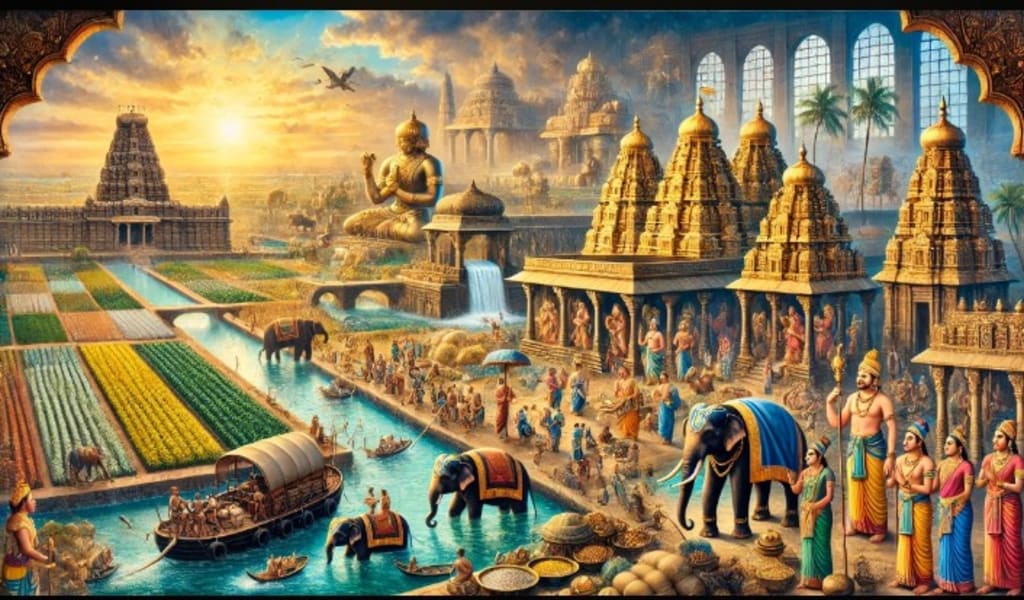
The Wealth and Prosperity of the Chola Kingdom in Modern Contexts
The Chola Kingdom, which flourished in southern India between the 9th and 13th centuries, was one of the wealthiest and most powerful dynasties in Indian history.
Known for its thriving economy, artistic achievements, and efficient administration, the Cholas left behind a legacy that continues to inspire and influence various aspects of modern life. By examining the wealth and prosperity of the Chola Kingdom, we can draw parallels and lessons for today’s interconnected and technology-driven world.
Economic Prosperity of the Chola Kingdom
Agricultural Abundance
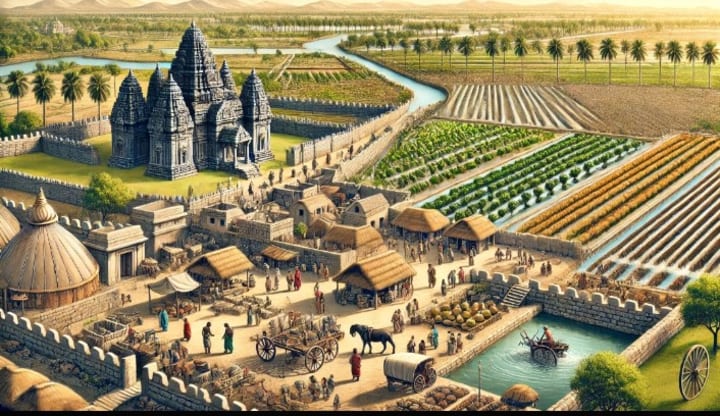
The Chola economy was rooted in agriculture, with fertile river plains, particularly along the Cauvery River, playing a vital role. Advanced irrigation systems, such as canals, tanks, and reservoirs, ensured year-round farming. This agricultural surplus not only sustained the local population but also allowed for the export of grains, cotton, and spices, which became major sources of revenue.
Modern Context:
Today, India’s agricultural sector relies heavily on technology-driven irrigation and sustainable practices. The Chola emphasis on efficient water management serves as a model for modern initiatives like micro-irrigation and watershed development.
Maritime Trade and Global Networks
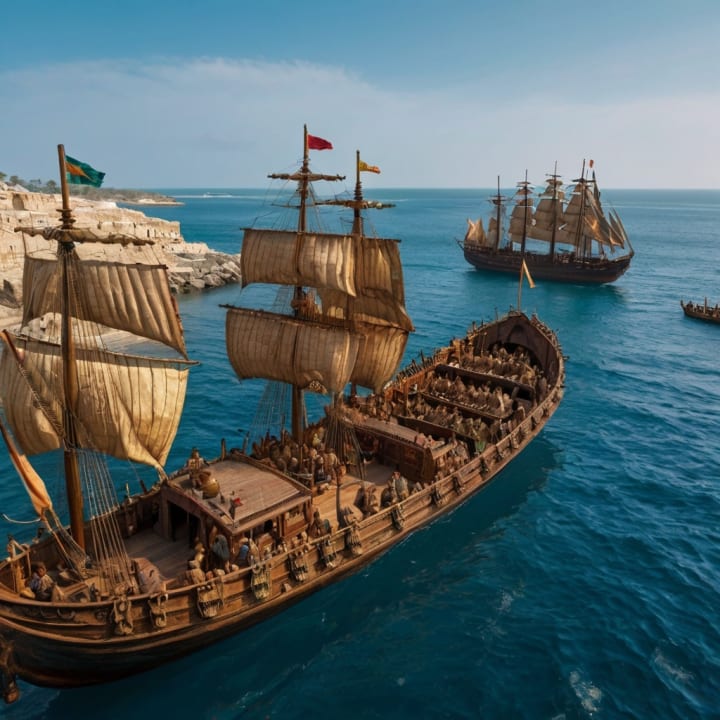
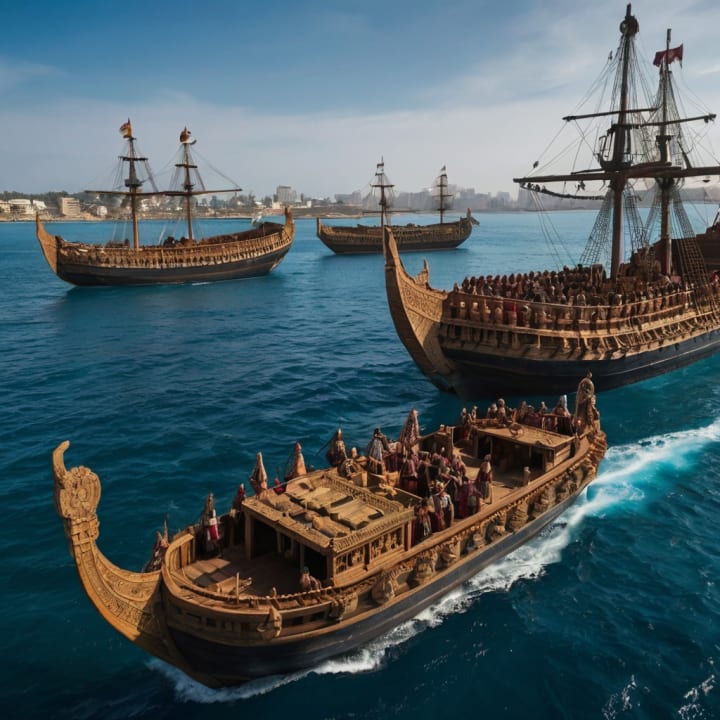
The Chola rulers were renowned for their naval prowess and maritime trade. Ports such as Nagapattinam and Poompuhar connected the Chola kingdom with Southeast Asia, China, the Arabian Peninsula, and beyond. The trade of spices, textiles, and precious stones enriched the kingdom and strengthened its economy.
Modern Context:
The Chola legacy is echoed in India’s current focus on maritime trade and initiatives such as Sagarmala, which aims to enhance port connectivity and infrastructure. The globalization of trade networks today mirrors the Chola ambition of fostering international commerce.
Urbanization and Local Markets
Urban centers like Thanjavur became hubs of commerce and culture. These towns hosted markets that buzzed with activity, selling goods ranging from handcrafted jewelry to fine silk. The efficient administrative system ensured fair taxation and facilitated economic growth.
Modern Context:
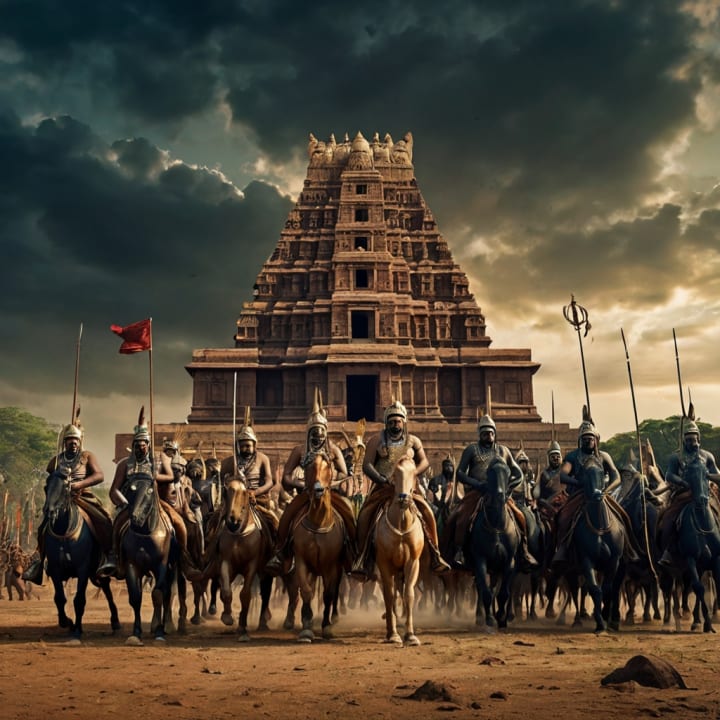
The focus on economic decentralization through smart cities and urban hubs in India reflects the Chola approach to balancing regional development with national prosperity.
Art and Architecture as Indicators of Wealth
The Chola dynasty’s wealth was not only material but also cultural. The temples of the Chola era, such as the Brihadeeswarar Temple in Thanjavur, stand as monumental symbols of architectural excellence and economic strength. These structures were not just places of worship but also centers of community, education, and economy. The elaborate sculptures and paintings depicted the kingdom’s prosperity and devotion.
Modern Context:
Today, the tourism industry, fueled by cultural heritage sites like Chola temples, contributes significantly to India’s economy. The promotion of these historical marvels aligns with the Chola tradition of blending culture and commerce.
Administrative Efficiency and Wealth Distribution
The Chola rulers implemented a well-organized administrative system, which was instrumental in maintaining the kingdom’s wealth. Land revenue was meticulously collected, and the proceeds were invested in infrastructure, temples, and welfare projects. The concept of local self-governance, through village assemblies or sabhas, ensured that resources were utilized effectively.
Modern Context:
The Chola governance model has influenced India’s modern panchayat system, which emphasizes decentralized decision-making and participatory governance to address local needs effectively.
Military Strength and Economic Security
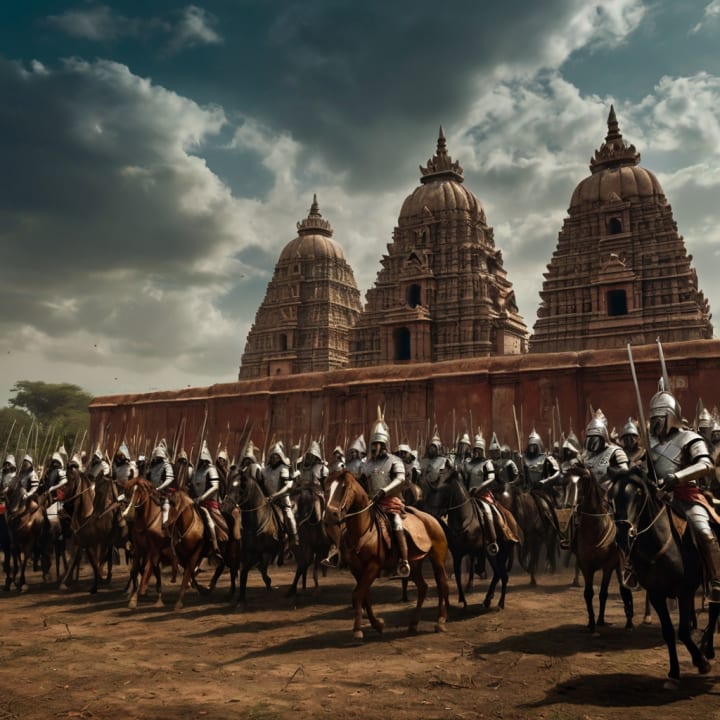
The Cholas maintained a formidable military that secured trade routes and protected the kingdom from invasions. Their navy, one of the most advanced of its time, played a dual role in ensuring maritime dominance and safeguarding commercial interests.
Modern Context:
In today’s geopolitical landscape, India’s naval power and investments in maritime security echo the Chola commitment to safeguarding economic interests through strategic military strength.
Lessons from the Chola Kingdom for Today’s Networks
Sustainable Practices: The Cholas’ emphasis on water conservation and agricultural efficiency highlights the importance of sustainability in managing resources.
Global Connectivity:
Their thriving trade networks underline the value of international cooperation and openness in today’s globalized economy.
Cultural Integration:
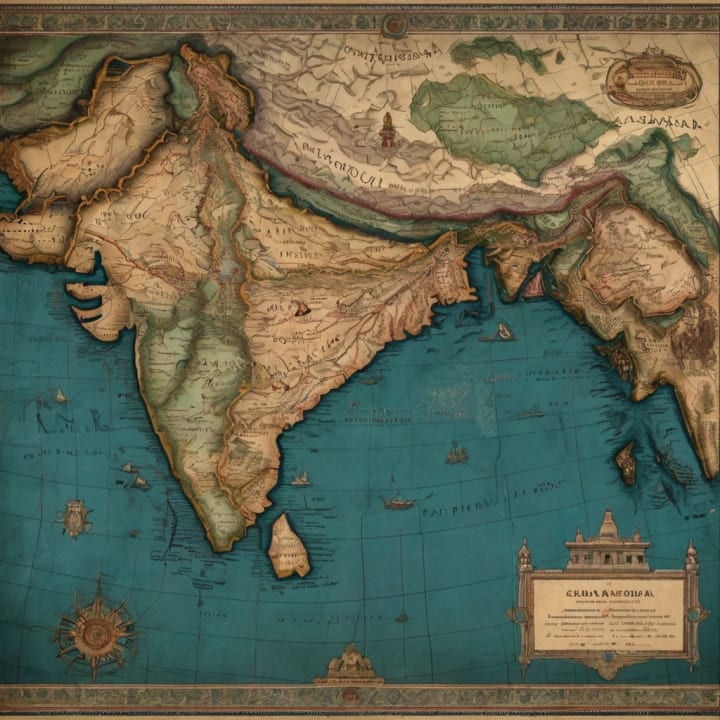
The Chola approach to blending commerce with culture offers a blueprint for leveraging heritage in modern branding and tourism.
Decentralized Governance: The Chola model of local self-governance serves as a guide for implementing effective policies at grassroots levels.
Conclusion
The wealth of the Chola Kingdom extended beyond its material riches to encompass its cultural, administrative, and technological advancements. By analyzing the Cholas’ achievements, we can glean insights into the importance of sustainability, efficient governance, and global connectivity in building a prosperous society. In today’s networked world, the Chola legacy serves as a timeless reminder of how history can guide us toward a more balanced and enriched future.
About the Creator
Say the truth
"Say the Truth: Explain Everything in the World" is your trusted source for uncovering facts and exploring the wonders of history, science, technology, and beyond. We simplify complex ideas and reveal truths to inspire curiosity .
Keep reading
More stories from Say the truth and writers in Journal and other communities.
Red Dawn: The Rise of Mars Civilization The Beginning
Ares Prime wasn’t just a settlement; it was a testament to human perseverance. The city was powered by a combination of nuclear fusion and solar energy, while its water came from the melting of subsurface ice. Crops grew in sprawling hydroponic farms, and oxygen was produced by advanced electrolysis systems. Over 50,000 settlers lived in harmony with the red planet, shaping a new era for humanity.
By Say the truth about a year ago in Journal


Comments
There are no comments for this story
Be the first to respond and start the conversation.