
The New World Screwworm Fly: A Silent Threat to Livestock and Wildlife
Understanding the biology, dangers, and global eradication efforts of Cochliomyia hominivorax

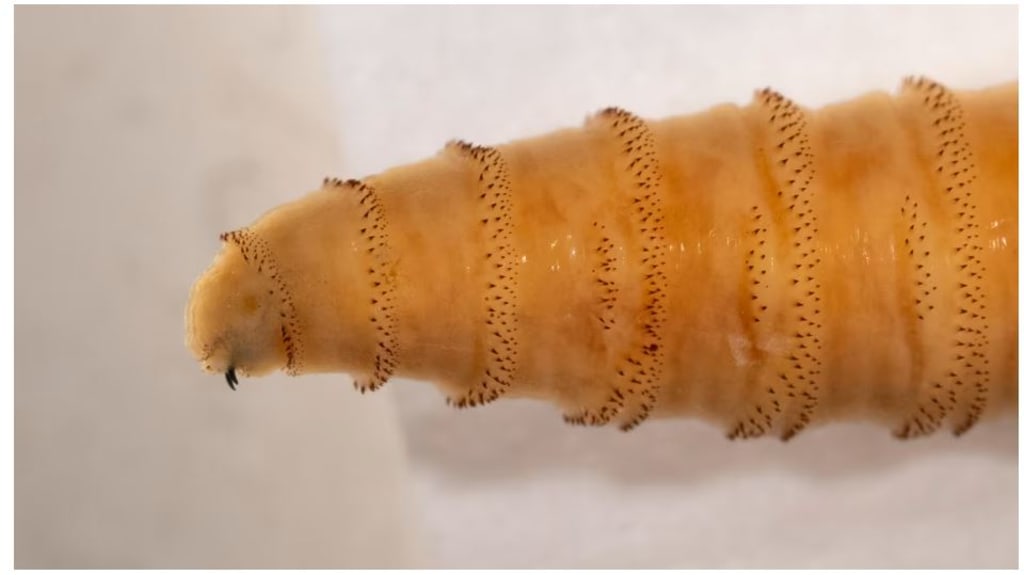
The New World Screwworm fly, scientifically known as Cochliomyia hominivorax, is a dangerous parasitic insect that has caused widespread devastation among livestock and wildlife across the Americas. Though largely eradicated from the United States, the threat of resurgence still looms, especially in tropical and subtropical regions where warm climates provide ideal breeding grounds.
This flesh-eating fly may be small, but its impact on agriculture and ecosystems is massive. Understanding how this parasite operates—and how it’s been controlled—is crucial to protecting animals and supporting biosecurity worldwide.
What Is the New World Screwworm Fly?
The New World Screwworm fly is a species of blowfly native to the Western Hemisphere. What sets it apart from other flies is its larval behavior. Unlike typical maggots that feed on decaying tissue, screwworm larvae infest live animal tissue, feeding on wounds, mucous membranes, and even unbroken skin in some cases.
The name "screwworm" comes from the spiral pattern in which the larvae burrow into flesh—causing extensive damage and, if untreated, even death.
Lifecycle and Infestation Process
The lifecycle of Cochliomyia hominivorax begins when the female fly lays her eggs at the edge of an animal wound. Within 12 to 24 hours, the eggs hatch into larvae. These parasitic larvae penetrate healthy tissue, feeding aggressively and expanding the wound, which attracts more flies and increases the infestation rate.
Screwworm infestation typically occurs in livestock, deer, and occasionally pets and humans.
Animal wound parasite infestations often lead to sepsis, secondary infections, and severe suffering.
The flies can detect a wound from miles away, making prevention incredibly difficult without ongoing monitoring.
Economic and Agricultural Impact
The New World Screwworm fly has historically been a major livestock parasite, responsible for billions of dollars in damages across North and South America. Cattle ranchers, in particular, have suffered heavy losses due to the cost of treatment, decreased productivity, and death of infected animals.
During peak infestation periods:
A single infected cow could attract hundreds of screwworms.
Open wounds from branding, dehorning, or castration became entry points for larvae.
Outbreaks required quarantine, surveillance, and culling—disrupting trade and local economies.
Farmers and veterinarians often had to implement rigorous treatment protocols, including the use of insecticidal dressings and wound care, but even this offered limited success during active outbreaks.
Global Eradication and Sterile Insect Technique (SIT)
One of the most successful pest control stories in history is the eradication of the New World Screwworm fly from the United States, Mexico, and parts of Central America using the Sterile Insect Technique (SIT).
Here’s how it worked:
Male screwworms were sterilized using radiation and released in large numbers into the wild.
Female flies, which mate only once, would produce no viable offspring after mating with sterile males.
Over time, this population control method led to the collapse of native screwworm fly populations in targeted regions.
This bio-friendly approach minimized pesticide use and served as a model for other invasive species management programs.
Genetic Research and Modern Surveillance
Today, genetic monitoring and international cooperation help prevent reintroduction. Countries like Panama maintain a screwworm barrier zone, releasing millions of sterile males weekly to protect South and Central America from re-infestation.
Scientists are also exploring genetically modified flies and drone-assisted monitoring to improve early detection and treatment protocols. With climate change expanding the habitable range of many parasites, staying ahead of the New World Screwworm fly remains a global concern.
Risks to Wildlife and Humans
While livestock are the primary victims, wild animals and even humans are occasionally affected. Deer, tapirs, monkeys, and other mammals have suffered severe tissue damage in endemic areas. Human cases are rare but serious, particularly in rural and tropical areas with limited medical infrastructure.
Typical symptoms of human infestation include:
Severe pain and swelling around a wound
Foul-smelling discharge
Visible movement of larvae within the skin
Immediate medical attention is crucial, often involving surgical removal of the larvae and antibiotic treatment.
What You Can Do
If you live or work in an area where screwworm outbreaks are possible:
Inspect wounds on livestock daily.
Use insect-repellent wound dressings.
Report unusual fly activity or unexplained animal illness to local veterinary authorities.
Support international eradication and monitoring programs.
Final Thoughts
The New World Screwworm fly may be out of sight for many today, but its legacy reminds us how tiny organisms can wreak large-scale havoc. Through science, global cooperation, and vigilance, we’ve managed to beat back this dangerous livestock parasite—but we must remain proactive to keep it that way.
The success of the sterile insect technique and modern surveillance systems shows that innovation can win over biology. But the cost of complacency is high. Whether you're a farmer, pet owner, or wildlife enthusiast, awareness and prevention are your best defense.
About the Creator
Ramsha Riaz
Ramsha Riaz is a tech and career content writer specializing in AI, job trends, resume writing, and LinkedIn optimization. He shares actionable advice and insights to help professionals stay updated.
Keep reading
More stories from Ramsha Riaz and writers in Journal and other communities.
Tragic Morning: Tractor Trailer Delaware Memorial Bridge Plunges in Dramatic Accident
On the morning of July 11, 2025, tragedy unfolded on one of the busiest crossings between Delaware and New Jersey, as a tractor trailer Delaware Memorial Bridge veered off course and crashed through safety barriers. The terrifying scene has prompted a full-scale rescue operation and sparked serious safety concerns. This Delaware Memorial Bridge accident today—involving a lone truck cab—has drawn attention to both infrastructure resilience and commercial vehicle oversight.
By Ramsha Riaz6 months ago in Journal
Spotify Classic Rock/Metal Playlist
Why I Put This Playlist Together This playlist did not begin as a project, a brand, or a plan. It began the way most meaningful things do, quietly and without intention. I was talking about music, one song at a time, and over time those songs began to gather weight.
By Sound and Spirit5 days ago in Journal
Silver Screen Magic with Mae West
American actress and singer Mae West became a popular film actress during the Great Depression. She started entertaining in vaudeville, then performed on Broadway, and finally went to Hollywood. She signed up with Paramount Pictures and made her debut in the 1932 film “Night After Night.” She also starred in musicals, comedies, and crime dramas. The American Film Institute named her one of the best classic Hollywood actresses.
By Rasma Raisters6 days ago in Geeks


Comments
There are no comments for this story
Be the first to respond and start the conversation.