
The Chaos Reigning in Europe
The Betrayal of European Governments Against Their Own People

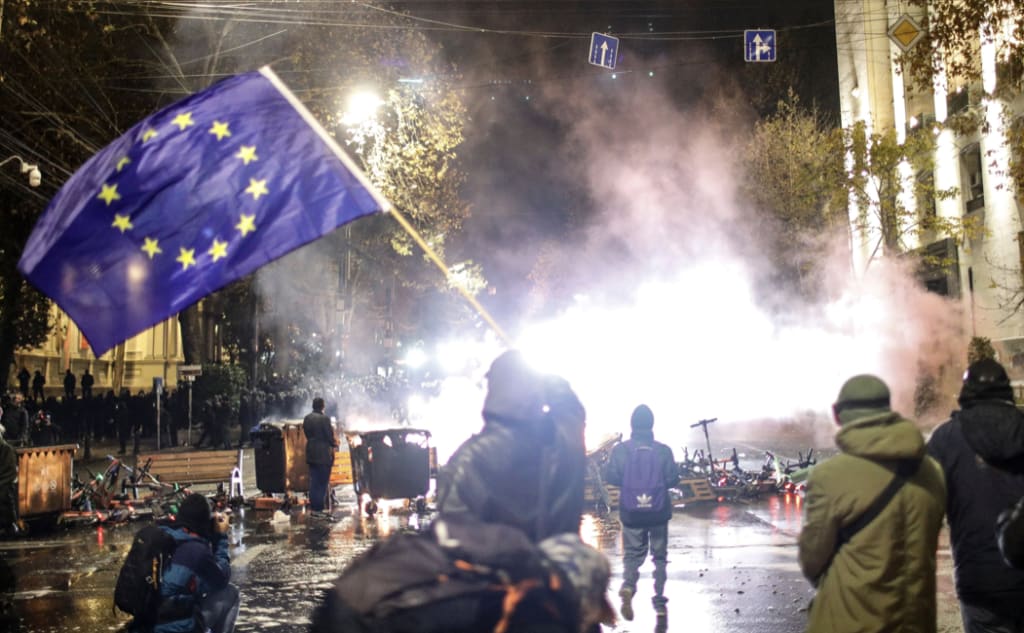
In recent years, it has become increasingly evident that Europe is facing an unprecedented crisis of representation, with governments growing ever more distant from the real concerns of their populations. These governments appear more devoted to polished rhetoric and secret individual agendas than to their citizens and their pressing issues. This discontent is reflected in record-high voter abstention rates and the rise of new political parties, many formed by digital influencers. These new parties differ significantly from traditional ones: they communicate more clearly, adopt a modern approach to engagement, and already benefit from two major advantages. First, they are outsiders, owing nothing to the system. Second, they are already well-known and have large followings. Additionally, major issues such as uncontrolled immigration, declining quality of life, and the lack of effective government responses have driven people toward alternatives outside the traditional political establishment. Let us analyze this alarming context further.
The Crisis of Representation and the Collapse of Trust in Governments
This crisis, which is now unfolding in deeply concerning ways across Europe, has both causes and consequences. Among the causes, one could cite the continuous power-sharing between the moderate right and the moderate left, resembling an agreement to maintain stability and retain power, especially post-World War II. Another cause is the increasingly detached policies that favor supranational interests and migrants over the actual needs of European citizens.
On the other hand, the consequences of this scenario include record-high voter abstention rates in several countries. Citizens perceive that their governments prioritize the well-being of some illegal immigrants and their own self-interests, while native Europeans and working-class citizens struggle with stagnant wages and deteriorating public services. In addition, another consequence is the rise in crime and insecurity in neighborhoods affected by poorly managed migration policies. The inability of leaders to balance social inclusion with economic stability has only exacerbated the situation. These alarming effects have existed for some time but have become increasingly evident due to years of political neglect. However, the emergence of new parties and alternative political movements, structured differently from traditional parties, represents a recent and rising response to these issues.
The rapid rise of political movements driven and led by digital influencers who enter politics with promises of radical change has further weakened the credibility of mainstream parties and governing elites. New parties such as Spain's SALF and the UK’s BRUV exemplify this growing dissatisfaction with the establishment. Notably, SALF has already secured seats in the European Parliament. This phenomenon underscores the rejection of conventional political discourse and the desire for authentic leaders who speak directly to the people. Moreover, the swift ascent of politicians who defy conventional molds and use digital platforms as their primary communication tool directly responds to Europe's current political challenges.
The fact that voters are exhausted with traditional politicians and seek direct answers and concrete promises intensifies this trend. European citizens’ frustration also fuels this movement as they witness the stark differences between Europe and powers like the United States and China in technological, military, commercial, and economic advancements. In other words, a people once accustomed to being the "beacon" of the world are now realizing they are falling behind due to the lack of objective and effective policies within the current political status quo. The widespread use of social media as the primary source of information and political propaganda has provided a platform for these emerging political movements, further weakening traditional political parties that still rely on outdated communication methods.
The Future of European Politics: Reform or Rupture?
The question of whether to reform or continue defending the status quo through narrative control remains the great dilemma of the political elites. And if reform is the chosen path, how should it be implemented? In my opinion, Europe stands at a crucial crossroads. Those currently in power must decide whether to adapt or face their downfall, as seen in Germany with the resignation of Chancellor Scholz, for example. So far, what we have observed is the use of mass media to control the political narrative, the suppression of online content that contradicts elite agendas, increasingly aggressive responses to opposition voices, and attempts to tarnish rising political groups by associating them with past ideologies such as Nazism. These aggressive tactics are not aimed at adapting traditional parties to new contexts and trends but rather at defending their own existence. Consequently, the risk of further radicalization grows as leadership insists on outdated policies and actively silences emerging conservative movements while promoting societal division.
What to Expect in the Coming Years?
In my perspective, this complex European context will only further distance the continent from the United States and China across all sectors, drive business opportunities away from Europe, and project an image of internal instability—an unattractive prospect for any investor. Historically, Europe has been a stable and appealing continent. However, I do not believe it will maintain this status in the coming decade, at least not until a significant transformation or stabilization occurs. Furthermore, I predict that one of the most significant trends in the coming years will be the massive rise of conservativend nationalist governments in response to Europe’s representation crisis. The electoral landscape will shift as new political movements gain ground, leading to a complete reevaluation of immigration policies and the European Union’s role in national governance. This shift aligns with broader global—or at least Western—trends.
In summary, I believe we are witnessing the beginning of a complete transformation of the European political system as we know it. If politics truly changes direction and succeeds, Europe may once again become a model to be followed in this regard.
Also, the crisis of representation in Europe is the result of years of political decisions that remain disconnected from the realities of the average citizen. The continent’s complex and convoluted system, coupled with the imposition of unsustainable and utopian agendas on individuals and businesses, has repelled economic growth and attractiveness. The rise of new parties and political figures signals a widespread search for alternatives to the traditional system. The key question now is whether the political elites will recognize this shift and adapt or persist in a model that no longer meets societal needs. The future of Europe will depend on the responses its leaders provide in the coming years and whether meaningful changes will be made. Two things are certain: significant political shifts are necessary, and the European people feel abandoned and unrepresented by their leaders. The prevailing sentiment is that they have been sidelined by politicians preoccupied with implementing personal agendas rather than serving the public interest.
About the Creator
Pedro Cagnoni
Geopolitical consultant, political science expert. My aim is to optimize banks, private companies and average individuals decision making process, by providing information, in order to achieve their goals in diversified scenarios.
Keep reading
More stories from Pedro Cagnoni and writers in Journal and other communities.
Neoconservatism Rising:
As observed on January 20, 2025, Donald J. Trump returned to the White House, bringing a fresh perspective to the world's main events and trends, quite different from when he left in 2019. This article will analyze the key changes likely to occur under the new administration of the "beacon" of the world and its influence on the rising conservatism in Europe. Will Trump accelerate the seemingly inevitable rise of conservative movements to power? Let’s delve in!
By Pedro Cagnoni 12 months ago in Journal



Comments
There are no comments for this story
Be the first to respond and start the conversation.