
Sustainable Design Principles for 30 Ton Gantry Cranes in Industrial Projects
Maximizing Efficiency and Minimizing Environmental Impact in Industrial Lifting Operations
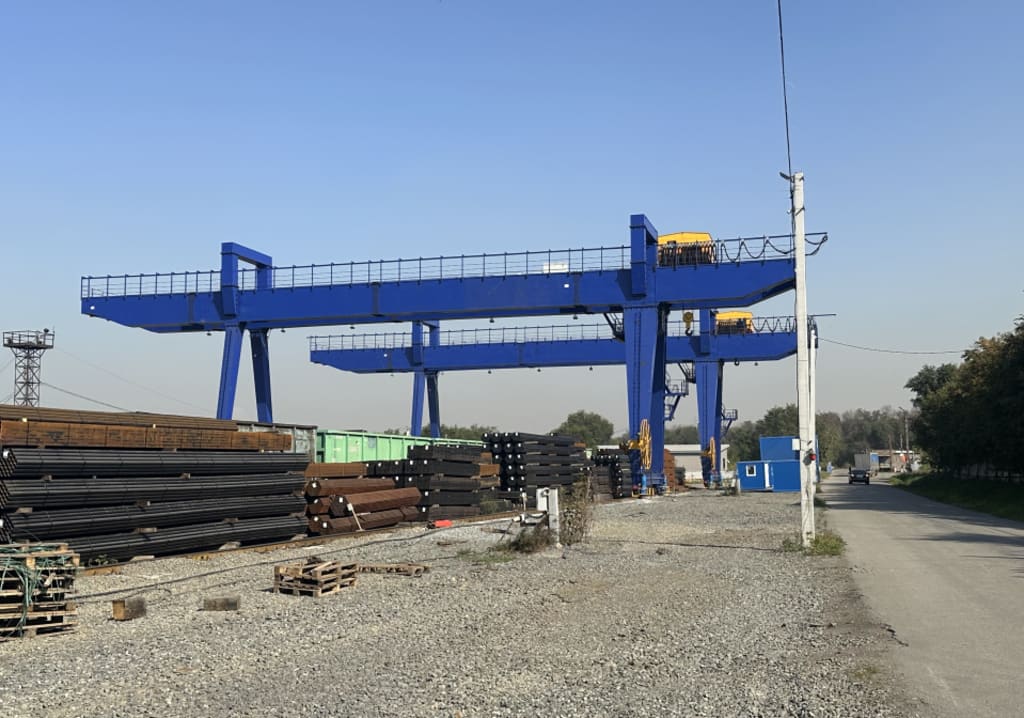
In the modern industrial landscape, the design and deployment of gantry cranes are evolving beyond simple lifting capabilities to include environmental sustainability, energy efficiency, and long-term operational resilience. A 30-ton gantry crane, commonly used in factories, warehouses, shipyards, and steel mills, represents a significant investment and operational asset. Integrating sustainable design principles into its engineering and deployment is not only environmentally responsible but also economically advantageous over the crane’s lifecycle. This article explores the sustainable design principles that should guide the development and application of 30-ton gantry cranes in industrial projects.
1. Energy Efficiency in Crane Operation
One of the most critical aspects of sustainable design for gantry cranes is energy efficiency. Industrial cranes, particularly 30-ton models, consume substantial electrical power during lifting, traveling, and hoisting operations. To minimize energy consumption:
Variable Frequency Drives (VFDs): Incorporating VFDs for crane motors allows precise control over speed and acceleration, reducing energy waste. VFDs also enhance safety by providing smoother starts and stops, decreasing mechanical stress.
Regenerative Braking Systems: Modern 30 ton gantry cranes can capture kinetic energy during lowering operations and feed it back into the electrical grid. This reduces overall energy consumption and lowers operational costs.
Optimized Hoist Design: Selecting energy-efficient hoists with high-efficiency gear systems and low-loss motors can reduce energy demand while maintaining lifting performance.
Energy efficiency not only reduces carbon emissions but also contributes to operational cost savings over the crane’s lifespan, aligning with sustainable industrial practices.
2. Material Selection and Lifecycle Considerations
Sustainability begins at the material level. The structural components of a 30-ton gantry crane—main girders, end trucks, rails, and hoists—are traditionally made from high-strength steel. However, sustainable design principles advocate for:
Recycled and High-Strength Steel: Using recycled steel reduces the environmental footprint of raw material production. High-strength steel allows for lighter structural designs without compromising load capacity, reducing material usage and associated emissions.
Corrosion-Resistant Coatings: Applying eco-friendly coatings that minimize VOC emissions and extend structural life reduces the need for frequent repainting or replacement, lowering the crane’s lifecycle environmental impact.
Component Standardization: Designing cranes with standardized parts enhances recyclability and facilitates repair rather than full replacement, reducing waste.
Considering the full lifecycle of materials, from production to end-of-life, ensures that the crane’s environmental impact is minimized while maintaining safety and performance.
3. Emissions Reduction and Low-Impact Power Systems
Traditional gantry cranes rely heavily on electricity sourced from fossil fuels, contributing indirectly to greenhouse gas emissions. Sustainable design addresses emissions through:
Integration with Renewable Energy Sources: Connecting cranes to solar panels, wind turbines, or other renewable energy systems on-site reduces reliance on grid electricity from non-renewable sources.
Hybrid Power Systems: Some modern gantry cranes use hybrid configurations, combining energy storage systems (like batteries or supercapacitors) with conventional electrical motors. This reduces peak energy demand and lowers overall emissions.
Efficient Power Distribution: Using low-loss transformers and cabling, along with advanced energy management systems, ensures that electrical energy is utilized effectively without wastage.
By incorporating low-emission power systems, industrial projects can significantly reduce their carbon footprint while complying with stricter environmental regulations.
4. Noise and Vibration Control
Industrial environments often face challenges related to noise and vibrations from crane operations. Excessive noise and vibration not only impact worker health but also indicate energy inefficiencies and mechanical wear. Sustainable crane design incorporates:
Vibration Dampening Systems: Hydraulic buffers, rubber pads, or advanced spring systems in the crane’s end trucks and hoists reduce mechanical vibrations transmitted to the structure and surrounding environment.
Noise Reduction Measures: Enclosing motors, using sound-dampening materials, and optimizing crane travel speeds can significantly reduce operational noise. Quieter operation improves worker comfort and reduces noise pollution in surrounding areas.
Predictive Maintenance Sensors: Sensors detecting abnormal vibrations or noise patterns can predict component wear, reducing unplanned downtime and extending the crane’s service life—another form of sustainability.
These measures ensure that the crane’s environmental and social impact is minimized, aligning with sustainable operational principles.
5. Smart Controls and Automation
Automation and smart control systems are increasingly integral to sustainable gantry crane design. Advanced control systems improve efficiency, safety, and resource management:
Load Sensing and Optimization: Sensors monitor load weight and distribution, allowing the crane to adjust energy usage and movement paths, reducing unnecessary energy consumption.
Automated Scheduling: Intelligent scheduling ensures that multiple cranes or hoists operate efficiently, minimizing idle times and energy waste.
Remote Monitoring and Maintenance: IoT-enabled monitoring systems provide real-time data on energy consumption, mechanical health, and operational efficiency, enabling predictive maintenance and reducing waste from unexpected failures.
By integrating smart controls, industrial facilities can optimize crane usage and enhance sustainability while improving safety and operational reliability.
6. Design for Durability and Maintainability
A sustainable 30-ton gantry crane must be designed for long-term durability and ease of maintenance. This approach reduces the environmental impact associated with frequent repairs or replacements:
Modular Design: Modular components, such as hoists, motors, and control units, can be replaced individually rather than discarding the entire crane, reducing waste and downtime.
High-Durability Materials: Using wear-resistant wheels, bearings, and gear systems extends operational life and reduces the frequency of component replacement.
Ease of Maintenance: Designing accessible maintenance points and standardized parts reduces maintenance time and resources, further supporting sustainable operations.
Durable, maintainable cranes offer a high return on investment and lower environmental footprint, contributing to the overall sustainability of industrial projects.
7. Integration with Industrial Environmental Management
Sustainable crane design does not occur in isolation; it should integrate seamlessly with broader industrial environmental management strategies:
Site Planning and Layout: Positioning the crane to optimize travel paths reduces energy use and minimizes interference with other equipment.
Waste Reduction Programs: Implementing recycling protocols for lubricants, metals, and other consumables ensures that crane operation aligns with facility-wide sustainability goals.
Compliance with Environmental Standards: Adhering to ISO 14001 and other environmental management standards ensures that crane operation meets international benchmarks for sustainable industrial practices.
By aligning crane design with industrial environmental policies, companies enhance sustainability not only at the equipment level but across the entire facility.
8. Economic and Operational Benefits of Sustainable Design
While sustainable design may initially increase capital costs, the long-term economic and operational benefits are substantial:
Reduced Energy Costs: Efficient motors, regenerative braking, and smart control systems lower electricity consumption.
Lower Maintenance and Replacement Costs: Durable materials, modular design, and predictive maintenance reduce both downtime and the cost of spare parts.
Regulatory Compliance and Brand Value: Sustainable design demonstrates corporate responsibility, often qualifying companies for green certifications, tax incentives, and enhanced market reputation.
Ultimately, sustainability in gantry crane design creates a positive feedback loop: environmental responsibility supports operational efficiency, which in turn reduces costs and enhances industrial competitiveness.
Conclusion
Sustainable design principles for 30-ton gantry cranes encompass energy efficiency, material optimization, emissions reduction, noise control, smart automation, durability, and integration with industrial environmental management. By adopting these principles, industrial projects can reduce operational costs, minimize environmental impact, and comply with regulatory standards while maintaining high performance and safety. As industries increasingly prioritize sustainability, the integration of these principles into crane design represents not just a technical innovation but a strategic advantage for long-term industrial resilience. A 30-ton gantry crane designed with sustainability in mind is not merely a lifting tool—it becomes a model of responsible industrial engineering.
About the Creator
Aicrane01
Welcome to the Aicrane Blog, your practical guide to lifting solutions. Discover articles covering overhead cranes, gantry cranes, winches, steel structures, boat lifts, and more.
Website: https://steelmillcranes.com/




Comments
There are no comments for this story
Be the first to respond and start the conversation.