
Japan Interactive Kiosk Market: Size, Trends, and Forecast 2026-2034
How Self-Service Technology and Digital Convenience Are Reshaping Customer Experiences
Market Overview
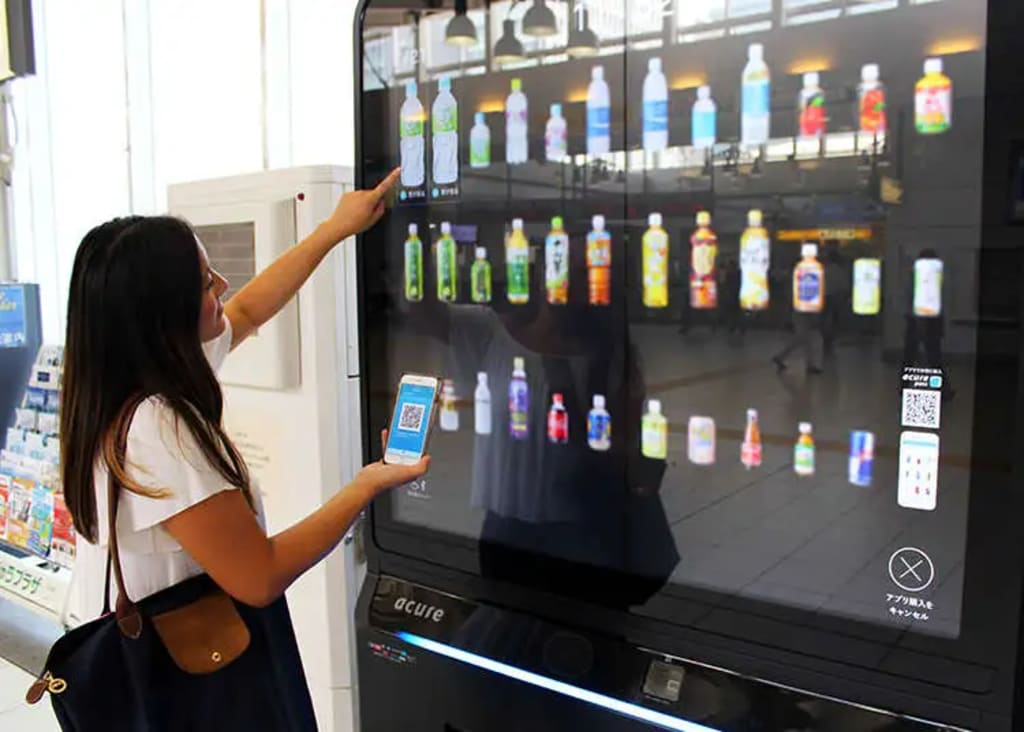
Interactive kiosks—touchscreen-enabled self-service terminals—have become a familiar part of everyday life in Japan. They are widely used in retail stores, restaurants, airports, railway stations, hospitals, and public service centers. These kiosks allow users to access information, place orders, make payments, and complete check-ins without direct staff interaction, improving speed and convenience.
In 2025, the Japan interactive kiosk market reached an estimated value of USD 1.3 billion, reflecting strong adoption across both commercial and public environments. Looking ahead, the market is expected to expand and reach approximately USD 2.9 billion by 2034, supported by increasing demand for contactless services, labor efficiency, and digital customer engagement. Growth is being driven by Japan’s tech-friendly consumer base, urban density, and ongoing digital transformation across industries.
As businesses focus on improving operational efficiency and customer experience, interactive kiosks are becoming an essential interface between digital systems and physical spaces.
Access a Free Sample PDF Copy of This Report and Discover In-Depth Analysis
Role of Innovation in Market Development
- Contactless and Touch-Free Interfaces
Modern kiosks are increasingly designed to reduce physical contact. Features such as QR-based activation, mobile phone integration, voice commands, and gesture recognition allow users to interact safely and efficiently, particularly in high-traffic public environments.
- AI-Powered Personalization
Artificial intelligence is enhancing kiosk functionality by enabling smarter user interactions. AI-driven recommendation engines and adaptive interfaces help tailor content based on user behavior, location, or time of day, improving engagement in retail, foodservice, and transportation settings.
- Integrated Digital Payments
Payment-enabled kiosks now support multiple transaction methods, including cards, mobile wallets, and digital payment platforms. This integration reduces queues, speeds up service delivery, and lowers dependency on staffed counters.
Japan Interactive Kiosk Industry Trends and Drivers
- Rising Adoption in Retail and Foodservice
Retailers and quick-service restaurants are rapidly deploying kiosks to streamline ordering, reduce wait times, and increase average transaction value. Self-ordering kiosks also help manage peak-hour demand while improving order accuracy.
- Expansion Across Transportation and Public Services
Japan’s transportation hubs increasingly rely on kiosks for ticketing, navigation, and real-time travel information. Government facilities and municipal offices are also adopting kiosks to improve accessibility and reduce administrative workload.
- Labor Shortages and Efficiency Needs
With workforce constraints affecting several service industries, kiosks offer a practical solution to maintain service levels. Automation through self-service technology helps businesses operate efficiently while reallocating staff to higher-value tasks.
Japan Interactive Kiosk Market Segmentation
Component Insights:
- Hardware
- Software
- Services
Type Insights:
- Bank Kiosks
- Self-Service Kiosks
- Vending Kiosks
- Others
Mounting Type Insights:
- Floor Standing
- Wall Mount
- Others
Panel Size Insights:
- 17”-32”
- Above 32”
Location Insights:
- Indoor
- Outdoor
Industry Vertical Insights:
- BFSI
- Retail
Food and Beverage
- Healthcare
- Government
- Travel and Tourism
- Entertainment
- Others
Regional Insights:
Kanto Region
Kansai/Kinki Region
Central/ Chubu Region
Kyushu-Okinawa Region
Tohoku Region
Chugoku Region
Hokkaido Region
Shikoku Region
Competitive Landscape
The Japan interactive kiosk market includes domestic technology firms and international solution providers. Competition is influenced by hardware reliability, software flexibility, user interface design, and after-sales support. Providers offering customizable platforms with remote management and analytics capabilities are gaining stronger market traction.
Market Outlook
The Japan interactive kiosk market is expected to continue its strong growth trajectory as self-service solutions become deeply embedded in daily consumer interactions. Ongoing innovation in AI, connectivity, and payment technologies will further expand kiosk functionality. As expectations for speed, convenience, and autonomy rise, interactive kiosks will remain a key component of Japan’s digital service ecosystem.
About the Creator
My Dog’s Treatment Cost £1,600 – Vet Bills Are Shocking
For pet owners across the UK, veterinary bills have long been a source of stress—but recent stories, such as one owner’s experience paying £1,600 for their dog’s treatment, have reignited concern about the rising cost of pet care. The owner, who wished to remain anonymous, described the ordeal as “shocking” and highlighted the financial burden that unexpected illnesses or accidents can place on families.
By Aarif Lashari2 days ago in Journal



Comments
There are no comments for this story
Be the first to respond and start the conversation.