
Starter Generator in Aircraft: Why Brush Wear Matters More Than You Think
Starter Generator

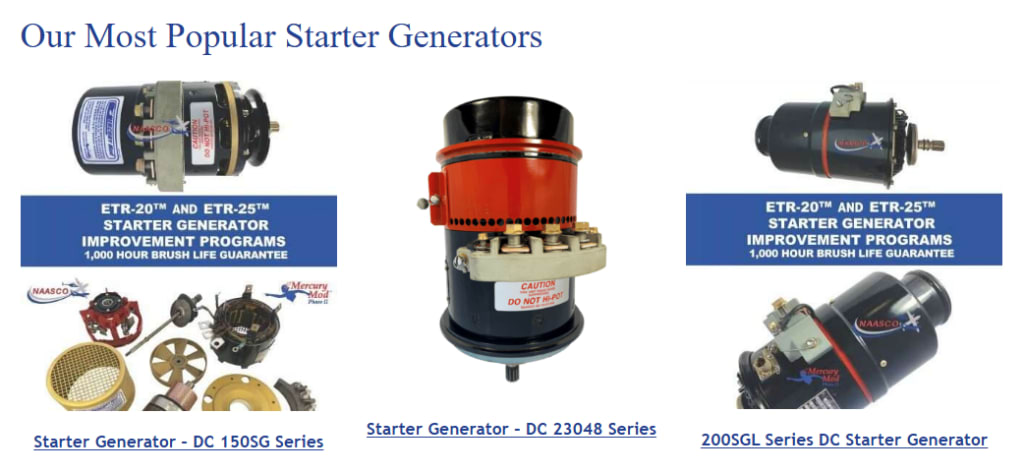
When it comes to aircraft operations, pilots and engineers often focus on engines, avionics, and safety systems. Yet, there’s a small but critical component that keeps everything running smoothly, the starter generator in aircraft. Often overlooked, this device not only starts the engine but also powers vital electrical systems during flight. Among its internal components, the brushes play a surprisingly pivotal role.
Brush wear may seem minor, but its effects can ripple across maintenance schedules, operational costs, and even flight safety. In this blog, we’ll explore why paying attention to brush wear in starter generators is more important than most realize, and how you can reduce its impact.
What is a Starter Generator in Aircraft?
A starter generator is a dual-purpose electrical device found in many aircraft. Its main functions are:
Starting the Engine: Acting like a conventional starter motor, it initiates engine rotation during takeoff preparations.
Generating Electrical Power: Once the engine is running, it converts mechanical energy into electrical power to supply the aircraft’s electrical systems.
Starter generators in aircraft are commonly found in both commercial and military aircraft, making them essential for operational reliability. Without them, avionics, navigation, lighting, and other crucial systems would be unable to function. Because of their dual function, these components experience significant mechanical and electrical stress, which makes maintenance, especially brush care, critical.
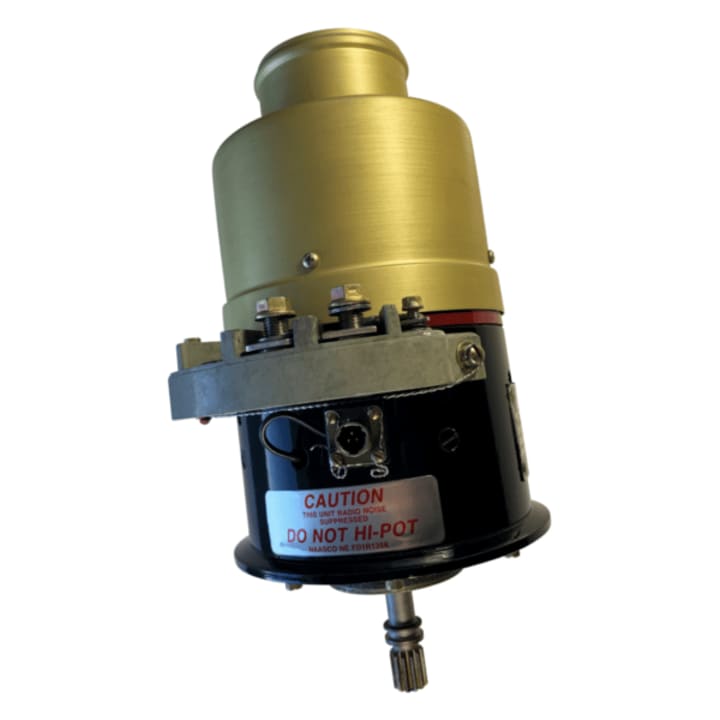
Anatomy of a Starter Generator
To understand brush wear, it helps to know the main components of a starter generator and why professional starter generator repair near you can make a difference.
Armature: The rotating part of the generator where electricity is induced.
Commutator: Converts alternating current from the armature into direct current for the aircraft systems.
Brushes: Conduct electricity between the stationary and rotating parts; typically made of carbon or composite materials.
Field Coils / Magnets: Generate the magnetic field necessary for electricity production.
Housing / Frame: Protects internal components and maintains alignment.
Bearings: Ensure smooth rotation of the armature and reduce friction.
Cooling System: Prevents overheating and extends component life.
Drive Shaft / Gear Assembly: Connects the starter generator to the engine and transmits mechanical energy.
Each part works together seamlessly, and even small wear on brushes can affect the entire system.
Understanding Brush Wear
Brushes are the contact points that allow electrical current to flow from the rotating armature to the stationary parts of the starter generator in aircraft. Because they maintain continuous contact with the commutator, brushes are naturally prone to wear over time. Factors that accelerate wear include:
Frequent engine starts, especially in high-amperage applications.
- Dirt, dust, or carbon buildup on the commutator.
- Poor cooling, which increases friction and heat.
- Misalignment or improper brush seating.
Worn brushes can lead to sparking, reduced efficiency, and even overheating of the generator.

Consequences of Ignoring Brush Wear
Ignoring brush wear may seem harmless at first, but the consequences can be significant:
1. Frequent Maintenance and Costs: Worn brushes require more frequent replacement, increasing labor and parts expenses.
2. Reduced Generator Life: Excessive wear accelerates commutator damage, shortening the overall lifespan of the starter generator in aircraft.
3. Operational Downtime: Aircraft may be grounded unexpectedly for repairs, affecting schedules and operational efficiency.
4. Safety Risks: Poor electrical flow can cause sparking or overheating, creating potential hazards in flight.
By understanding the risks, operators can take proactive measures and seek starter generator repair near you to maintain reliability and reduce costly disruptions.
Tips to Reduce Brush Wear in Starter Generators
Fortunately, brush wear can be significantly minimized with proper attention and maintenance practices. Here are actionable tips:
1. Regular Inspections
Frequent inspection of brushes and commutators by a trusted repair provider like NAASCO is essential. Early detection of wear, chipping, or uneven surfaces prevents minor issues from turning into major repairs.
2. Keep Components Clean
Dust, carbon residue, and debris accelerate brush wear. Routine cleaning of the brush and commutator area ensures smoother electrical contact and prolongs service life.
3. Proper Brush Seating
Brushes must sit correctly on the commutator. Improper seating leads to sparking, uneven wear, and reduced efficiency. Ensure alignment according to manufacturer specifications.
4. Use High-Quality Brushes
Upgrading to premium or extended-life brushes in a starter generator in aircraft can dramatically reduce wear. Advanced materials minimize friction, prevent commutator damage, and improve overall generator performance.
5. Maintain Optimal Cooling
Excess heat accelerates brush degradation. Keep cooling systems efficient and unobstructed to maintain safe operating temperatures, particularly during high-load cycles.
By following these tips, operators can extend brush life, reduce maintenance frequency, and avoid unnecessary downtime.
Conclusion
Brush wear in starter generators in aircraft might appear to be a small, technical detail, but its impact on aircraft performance, maintenance costs, and operational reliability is far from minor. A worn brush can lead to sparking, overheating, and even unexpected grounding of an aircraft. Understanding the anatomy of the starter generator, recognizing signs of wear, and following proactive maintenance tips, such as regular inspections, proper seating, and high-quality components, can make a substantial difference.
Investing time and effort into monitoring and reducing brush wear not only extends the life of the starter generator but also ensures smoother operations, lower costs, and safer flights. In aviation, sometimes the smallest components make the biggest difference, and the humble brush is a perfect example.
Keep your aircraft flying smoothly and reduce costly downtime. Trust NAASCO’s starter generator repair and upgrade solutions to extend brush life.
About the Creator
NAASCO
NAASCO is a leading name in the aviation industry and one of the top O.E.M component providers. Our most successful products are Whelen M444 3 Pin Molex Connector , starter generator and terminal block solutions. Learn more about us!



Comments
There are no comments for this story
Be the first to respond and start the conversation.