
Why Airlines Are Investing in Aircraft Relay Maintenance Over Replacement
Aviation Industry

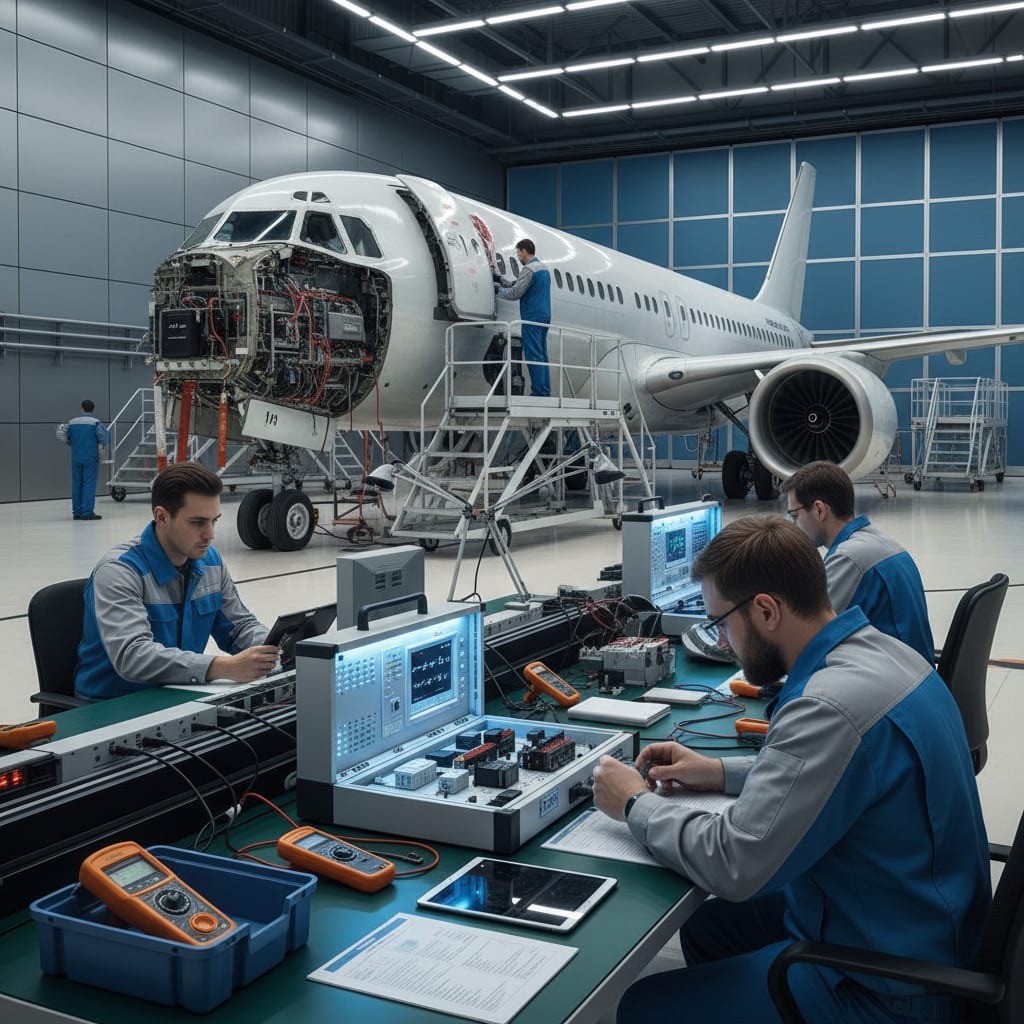
In the intricate world of aviation, even the smallest components can have a profound impact on flight safety and operational efficiency. Aircraft relays, tiny but crucial electrical switches, play a vital role in controlling power distribution across multiple systems, from navigation and lighting to critical engine functions. Traditionally, when relays or related components like contactors and terminal blocks wear out or fail, airlines would replace them outright.
However, a shift is underway. More airlines are investing in maintenance and refurbishment solutions instead of costly replacements. This approach not only preserves resources but also enhances reliability, reduces downtime, and supports sustainable practices in aviation.
Understanding Aircraft Relays
Aircraft relays are essentially electrically operated switches that manage the flow of power within an aircraft’s complex electrical systems. They control circuits that power navigation lights, communication systems, engines, and other essential equipment. There are different types of relays, including power relays, cut-out relays, and contactors, each serving specific functions.
Despite their small size, the failure of a relay can trigger significant operational disruptions, from delayed flights to safety hazards. Ensuring these components function reliably is therefore a top priority for airlines worldwide.
The Rising Cost of Aircraft Replacement
Replacing worn-out aircraft starter relays is far from a simple or inexpensive process. The direct costs of purchasing new relays can quickly add up, especially for large fleets with hundreds of aircraft. Beyond the price of the components, indirect costs include labor for installation, testing, and certification, as well as potential flight delays during maintenance periods.
Hidden expenses, such as shipping, customs clearance, and supply chain management, further increase the financial burden. For airlines operating on tight margins, frequent replacements of electrical components can be both disruptive and costly.
Benefits of Relay Maintenance Over Replacement
Recognizing these challenges, many airlines are now turning to relay maintenance and refurbishment solutions. This approach provides multiple advantages across financial, operational, and environmental dimensions.
1. Cost Efficiency
Maintaining and refurbishing relays is significantly more cost-effective than replacing them. Repair processes, like those developed under proprietary technologies such as Sil-Met, allow worn components to be reconditioned to near-new condition. Airlines can save thousands of dollars per aircraft annually, making maintenance a smart investment for fleet management.
2. Extended Lifespan
Regular maintenance can extend the operational lifespan of aircraft relays and related components. Instead of being discarded after minor wear or degradation, these parts can be carefully reconditioned, tested, and returned to service. This not only maximizes the value of each component but also reduces the frequency of replacements over time.
3. Reduced Downtime
Aircraft availability is critical for airline operations. Replacement parts may require waiting for shipment, customs clearance, or installation, all of which increase aircraft downtime. Maintenance solutions, on the other hand, often provide quicker turnaround times. Refurbished relays can be serviced and redeployed efficiently, keeping more aircraft in the air and maintaining schedules with minimal disruption.
4. Regulatory Compliance
Aviation is one of the most heavily regulated industries in the world. Maintenance procedures for aircraft relays follow strict standards to ensure flight safety and compliance with FAA and EASA regulations. Refurbished components undergo rigorous testing and certification, guaranteeing that they meet or exceed safety and performance requirements. Airlines can therefore maintain high compliance standards without incurring the full costs of replacements.
5. Sustainability
Environmental concerns are becoming increasingly important in aviation. Every component that is repaired rather than discarded helps reduce electronic waste and the carbon footprint associated with manufacturing new parts. By investing in relay maintenance, airlines contribute to more sustainable operations while aligning with global environmental initiatives and corporate responsibility goals.
Technological Advances in Relay Maintenance
Modern repair and refurbishment technologies have transformed aircraft starter relay maintenance from a niche solution into a standard practice. Proprietary processes, such as Sil-Met, allow for precise reconditioning of electrical contacts, ensuring they meet stringent performance specifications.
Advanced testing equipment verifies the reliability of each component, and ongoing innovations are paving the way for predictive maintenance. This allows airlines to anticipate relay failures before they occur, further reducing downtime and maintenance costs while increasing overall fleet reliability.
Conclusion
In an era where operational efficiency, cost savings, and sustainability are key priorities, investing in aircraft relay maintenance makes strategic sense for airlines. Maintaining and refurbishing aircraft relays extends their lifespan, reduces downtime, ensures regulatory compliance, and minimizes environmental impact, all while saving significant costs compared to outright replacement. As technology continues to improve, maintenance-first strategies are likely to become the standard across aviation.
Why replace when you can maintain and save? NAASCO’s expert relay refurbishment helps airlines cut costs, minimize downtime, and boost reliability.
About the Creator
NAASCO
NAASCO is a leading name in the aviation industry and one of the top O.E.M component providers. Our most successful products are Whelen M444 3 Pin Molex Connector , starter generator and terminal block solutions. Learn more about us!



Comments
There are no comments for this story
Be the first to respond and start the conversation.