
Saudi Arabia’s Pullback Spreads, From Neom to World Cup Stadiums
Scaling Back the Desert Megacity – Neom’s grand vision faces a reality check

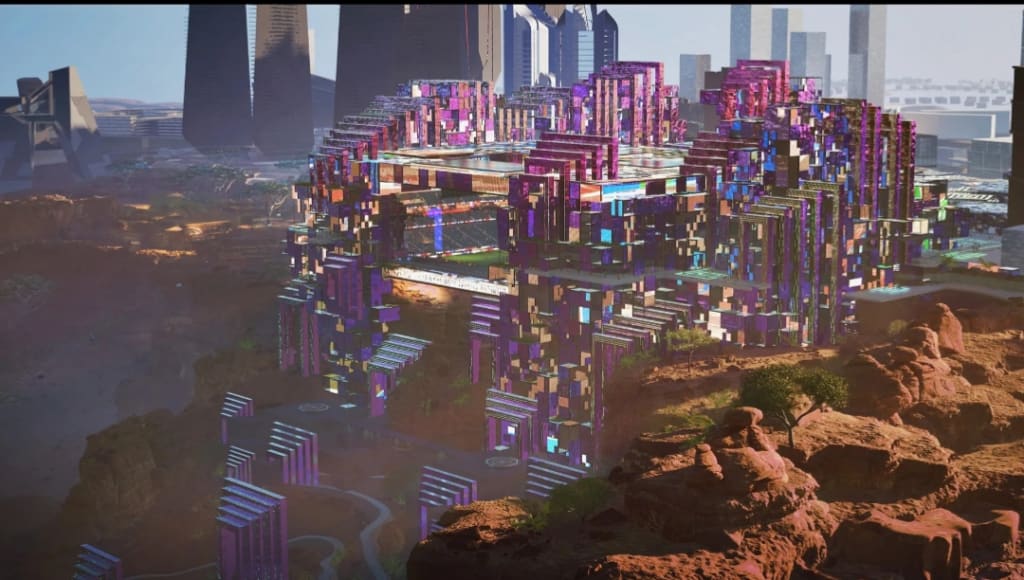
Saudi Arabia, long known for its ambitious economic diversification plans under Vision 2030, is rethinking some of its most high-profile projects. From the futuristic Neom megacity to international sports investments, recent decisions suggest the kingdom is recalibrating its spending priorities amid rising costs, global economic uncertainty, and domestic pressures. This shift could have significant implications for the region, investors, and global perceptions of Saudi ambitions.
---
Scaling Back the Desert Megacity
Neom, Saudi Arabia’s $500 billion desert megacity project, has long symbolized the kingdom’s futuristic vision. Planned as a high-tech urban hub powered by renewable energy and designed to attract global talent and tourism, Neom was to span more than 10,000 square miles.
However, recent reports indicate that the project is undergoing a strategic scale-back. Officials are reassessing timelines, scaling back some infrastructure components, and potentially delaying certain sectors, including entertainment and residential developments. Analysts suggest that ballooning costs, logistical challenges, and the sheer scope of the project are forcing the kingdom to prioritize feasibility over ambition.
“The initial vision of Neom was almost utopian in scale,” said a regional analyst. “Now, there is a recognition that resources need to be allocated more efficiently to avoid financial overreach.”
---
Sports Investments Under Review
Saudi Arabia’s investments in international sports, particularly in football, have also come under scrutiny. From high-profile player acquisitions to stadium sponsorships and global events, the kingdom has sought to use sports as a soft-power tool. However, the government appears to be re-evaluating the return on these investments.
While some contracts and sponsorships remain intact, there is a noticeable shift toward more targeted spending that prioritizes domestic infrastructure and events with tangible economic benefits. Experts believe this reflects a broader trend of careful fiscal management in a context of global economic uncertainty, energy price volatility, and internal development priorities.
---
Economic Pressures and Global Context
The pullback comes at a time when global markets are increasingly volatile. While Saudi Arabia’s economy benefits from oil revenues, diversification projects like Neom are heavily dependent on foreign investment and long-term economic stability.
International interest rates, fluctuating oil prices, and geopolitical tensions add layers of complexity to large-scale investments. By scaling back certain projects, Saudi Arabia aims to mitigate risk while maintaining momentum on critical components of Vision 2030, such as renewable energy, tourism, and domestic housing projects.
---
Domestic Implications
For Saudi citizens, the recalibration of megaprojects has both positive and negative implications. On one hand, the slowing of hyper-ambitious developments could free up resources for infrastructure and social programs, including education, healthcare, and housing. On the other hand, delayed projects like Neom may slow job creation and reduce opportunities for domestic talent seeking employment in high-tech sectors.
“The kingdom is trying to balance vision with pragmatism,” noted a Saudi economist. “The challenge is maintaining public confidence in the long-term benefits of these initiatives while managing immediate financial realities.”
---
Lessons for Global Investors
International investors closely watching Saudi projects are interpreting these pullbacks as signals of a more measured approach to large-scale investments. While the initial enthusiasm for Neom and global sports partnerships drew attention, the kingdom’s current course correction suggests that sustainable, phased development may be more realistic than the original all-in approach.
Financial analysts emphasize that this is not a retreat from Vision 2030 but rather a strategic recalibration. Projects that are delayed or downsized could eventually proceed, albeit with tighter budgets, clear milestones, and stronger financial oversight.
---
Regional and International Repercussions
Saudi Arabia’s pullback has broader implications for the Middle East and beyond. Countries in the Gulf and North Africa region often benchmark their own mega-project ambitions against Saudi initiatives. Slower or scaled-back projects in Saudi Arabia may prompt neighboring nations to reassess their spending strategies and avoid overextension.
On the international stage, the news underscores the difficulty of executing ultra-large-scale urban and cultural projects, even in oil-rich nations with vast financial resources. Investors, contractors, and multinational companies involved in similar developments may adjust expectations and timelines accordingly.
---
Looking Ahead
While some of Saudi Arabia’s marquee projects are being reined in, the kingdom remains committed to modernization and economic diversification. Investments in renewable energy, digital infrastructure, tourism, and domestic real estate continue to move forward. The current recalibration may ultimately strengthen the kingdom’s strategic positioning by focusing on projects with the highest likelihood of economic return and societal impact.
The Saudi experience offers a cautionary tale about ambition, scale, and fiscal prudence. By reassessing priorities, the kingdom is signaling that even the boldest visions must be balanced with economic realities and operational feasibility.
---
Conclusion
Saudi Arabia’s pullback—from Neom to international sports ventures—is a sign of strategic realism rather than abandonment. The kingdom is recalibrating its grand ambitions in light of financial, logistical, and geopolitical pressures. While some projects may take longer to materialize, the underlying commitment to modernization and economic diversification remains strong. For investors, regional partners, and citizens alike, this careful balancing act may ultimately lead to more sustainable growth and a clearer roadmap toward Vision 2030.
About the Creator
Keep reading
More stories from Salaar Jamali and writers in Journal and other communities.
Saudi Arabia Suspends Mukaab Construction Plans as Vision 2030 Ambitions Are Scaled Back
Saudi Arabia has recently suspended construction of the colossal Mukaab megaproject in Riyadh’s New Murabba district — a landmark symbol of Crown Prince Mohammed bin Salman’s Vision 2030 economic transformation plan. The decision reflects broader reconsiderations of spending, strategic focus, and financial realism within the kingdom’s ambitious long‑term goals.
By Salaar Jamaliabout 3 hours ago in Journal
Why Most Startups Struggle With Technical Decisions Early On
In the early stages, making startup technical decisions often feels like juggling flaming swords in the dark. The swords are frameworks, and architectural choices. The darkness is ambiguity about product-market fit and long-term strategy. What makes these decisions so painful isn’t always that they’re wrong, but that they’re made with incomplete context, without a clear owner of their consequences, and under intense pressure to deliver outcomes yesterday. As a result, issues tend to surface not during the decision itselfю They come out later, when releases drag, features break, or the product is inexplicably stuck in development. These experiences are part of the broader early-stage startup challenges that trap many teams before they even start gaining traction.
By Dariya Lopukhina6 days ago in Journal
Whiskey At Dusk
Guess the whiskey was more important to you in the end, wasn’t it? It was more than the well-being of your friends; more vital than showing up to the places you promised you would and could come to; more critical of a matter than fulfilling your damn responsibilities and getting the press off your back.
By Snarky Lisa4 days ago in Humans


Comments
There are no comments for this story
Be the first to respond and start the conversation.