
Russia’s Record Drone & Missile Blitz on Kyiv Rattles the World
Published: July 6, 2025 Russia Ukraine latest attack, Russia Kyiv drone strike, largest Russia drone missile attack, Ukraine air defenses overwhelmed
1. 🔥 What Just Happened?
In the early hours of July 4, 2025, Russia unleashed its largest aerial assault on Ukraine since the war began, deploying an overwhelming swarm of drones and missiles across the country. This coordinated night-long bombardment, which Ukrainian officials described as a "record-breaking attack," has pushed the limits of Ukraine’s air defense systems and sent shockwaves across Europe.
Over the span of seven hours, Russian forces launched:
539 attack drones (primarily Iranian-made Shahed/Geran models)
11 ballistic and cruise missiles
The targets were widespread, hitting multiple regions including Kyiv, Kharkiv, Sumy, Dnipro, and Chernihiv. Despite Ukraine's best efforts, dozens of strikes penetrated defense systems, damaging infrastructure and injuring civilians.
Ukraine’s military later confirmed that 478 drones and missiles were intercepted, but that still left many devices to impact residential and industrial zones.
2. 🚨 Impact on Ukrainian Cities
The capital, Kyiv, was the main focus of the attack. Sirens blared throughout the night, with explosions and anti-aircraft fire lighting up the skies. Ukrainian officials reported:
23 people injured across Kyiv
Fires breaking out in residential areas
Power disruptions in several districts
Kharkiv, Sumy, Dnipro, and Chernihiv also faced barrages. Emergency services responded to numerous fires, building collapses, and injuries. The psychological toll was immense, with civilians once again reminded that no part of Ukraine is safe from Russia’s reach.
On July 3, just a day earlier, Russia struck Poltava, killing 2 people and injuring 11, in an attack targeting both a military recruitment center and civilian residences.
3. 🛡️ Ukraine’s Air Defenses Tested
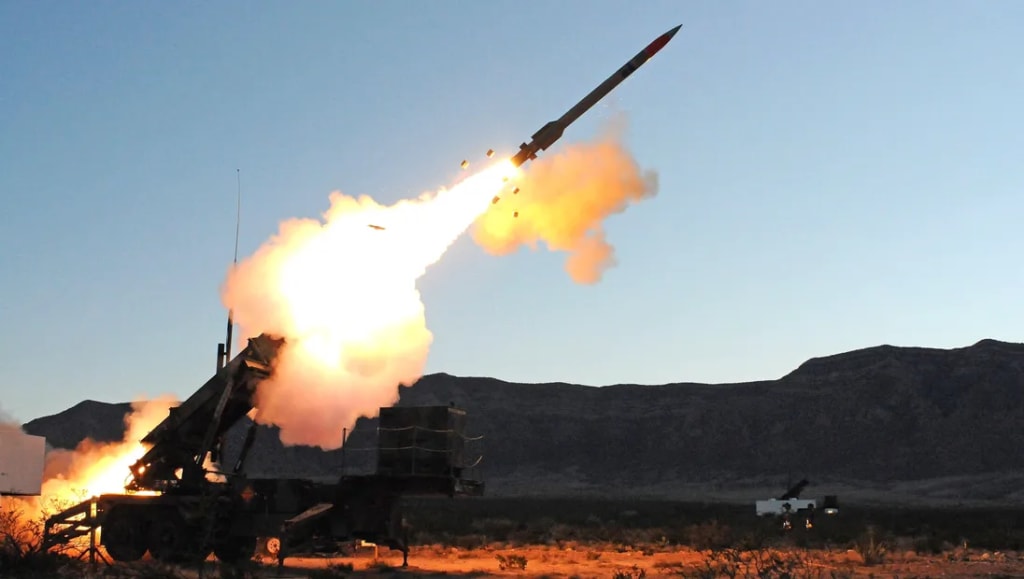
Ukrainian forces used a variety of Western-supplied air defense systems, including NASAMS, IRIS-T, and domestically upgraded Soviet-era launchers. Despite successfully intercepting most of the incoming threats, the sheer volume of drones and missiles revealed a critical issue: capacity limits.
Every air defense system has a finite number of launchers and reload time. A blitz of this magnitude overwhelms even the best-equipped cities. It’s not just about shooting down drones—it’s about being able to detect, track, and respond to them quickly enough, especially when they arrive from multiple directions and altitudes.
This is the second major escalation in recent weeks. In late June, Russia also launched 537 aerial devices, which at the time was the largest single-day strike. July 4's attack has now broken that record, indicating a troubling trend.
4. 🇺🇦 U.S. and Ukraine in Strategic Dialogue
In the aftermath of the assault, Ukrainian President Volodymyr Zelenskyy held a phone call with former U.S. President Donald Trump, who has remained an influential political figure and potential 2024 contender.
Zelenskyy described the call as "productive," emphasizing the need for more Patriot missile systems and long-range interception tools. Trump, while not holding office, has publicly promised to end the war swiftly if re-elected, though critics question the feasibility of his approach.
Meanwhile, current U.S. military aid to Ukraine has come under review. Concerns over stockpile management and internal political debates have led to a temporary pause in certain shipments, worrying Ukrainian defense officials.
NATO leaders, including Secretary General Mark Rutte, urged member nations to boost defense contributions. Rutte warned that the alliance must prepare for the possibility of simultaneous conflict involving Russia and China, calling this the most dangerous global moment in decades.
5. 🌐 Drone Warfare & Russia’s Growing Arsenal
The latest attacks underscore the evolving nature of modern warfare. Rather than rely solely on traditional missiles, Russia is leaning heavily into mass-produced kamikaze drones, which are cheaper, harder to detect, and can be deployed in huge quantities.
According to reports, Russia is now producing thousands of Shahed-style drones monthly, with assistance from Iranian technology, Chinese components, and North Korean labor. These devices cost just a fraction of a missile but can still cause significant damage—especially when launched in swarms.
Ukraine has asked Western allies to supply more advanced radar and jamming systems, including the latest anti-drone technologies being tested in NATO member states.
6. ⚡ A Turning Point or Escalating New Normal?
The July 4 strike raises serious questions:
Is Russia preparing for a major new offensive?
Are these attacks a show of force to coincide with Western holidays and political events?
How much longer can Ukraine hold out without significant air defense replenishment?
Some analysts believe this could be a turning point in the war. Others warn it may signal a new normal—where high-volume drone assaults become a weekly strategy designed to exhaust Ukraine’s defenses and morale.
There are also political implications. If the U.S. or Europe hesitates to act swiftly, it could embolden not only Russia, but also other authoritarian powers watching closely.
7. 🚡 Why This Story Matters
This isn’t just about one country being attacked. It’s about the changing face of war, where technology, supply chains, and geopolitics are as important as troops and tanks.
The Russian strategy is clear: flood the skies, exhaust the defense systems, and grind down civilian resolve. Ukraine’s resilience has been nothing short of heroic, but resilience isn’t infinite. It needs support—in weapons, funding, and international will.
The July 4 attack is a wake-up call. Not just for NATO or Ukraine, but for the entire democratic world.
8. ✅ What Happens Next?
EU-Ukraine Summit (July 10): A major diplomatic gathering where Ukraine is expected to demand accelerated air defense aid.
NATO readiness drills: Scheduled across Eastern Europe in the coming weeks, designed to demonstrate solidarity.
Global tech race: Companies in the U.S., Europe, and Israel are racing to develop next-gen anti-drone solutions.
Civilian resilience efforts: Mental health campaigns, shelters, and community rebuilding projects are expanding across Ukraine.
🌌 Final Word
Russia’s record-breaking drone and missile assault on Ukraine is more than a battlefield event—it’s a strategic warning to the world. The next phase of the conflict will likely be shaped not only by military tactics but by how quickly allies can adapt to this evolving threat.
The skies over Kyiv may have quieted for now, but the storm is far from over.
About the Creator
Jackii
True stories that stir the heart.
Global issues that shake the mind.
The goals I did not achieve
Every writing goal I made for the year is a wash. It has been this way for a while, but I think it's important to be open about my failures and the reality of how life can get in the way. This is especially true considering the several times I have posted on Vocal about my writing goals, how I was changing my approach, and where I was hoping to be for the upcoming year. I will probably do that again in a couple months, but for now, it is time to acknowledge where I am today.
By Kay Husnick25 days ago in Journal



Comments
There are no comments for this story
Be the first to respond and start the conversation.