
Playtime Evolves: Germany’s Toy Market Embraces STEM, Sustainability, and Digital Innovation
With sales set to climb from US$ 6.04 billion in 2024 to US$ 8.92 billion by 2033, Germany’s toy industry blends tradition with tech, eco-friendly design, and a love for learning.

Germany is home to one of Europe’s most dynamic toy industries—famous for quality craftsmanship, safety, and creativity. From plush teddy bears to advanced STEM kits, toys in Germany are not only for fun but also for education, development, and cultural identity. According to the latest industry data, the German toy market is projected to grow from US$ 6.04 billion in 2024 to US$ 8.92 billion by 2033, expanding at a CAGR of 4.43% between 2025 and 2033.
This growth is fueled by rising consumer spending, increasing demand for interactive and learning-based toys, a shift toward eco-friendly production, and the rapid adoption of e-commerce. Yet, the industry also faces challenges from strict regulations and the rise of digital entertainment.
Why Toys Matter in Germany
The German toy sector is more than just retail—it’s a reflection of national values. Safety, quality, and innovation are deeply ingrained in German manufacturing, making the country’s toys highly prized both at home and abroad.
Parents view toys as developmental tools rather than mere entertainment. Educational playthings—especially those focused on STEM (science, technology, engineering, and mathematics)—are seen as investments in a child’s cognitive and creative future. Moreover, the growing push for eco-friendly and sustainable toys reflects Germany’s broader environmental awareness.
Growth Drivers in the German Toy Market
1. Rising Demand for Educational and STEM Toys
Parents in Germany increasingly prefer toys that combine fun with learning. STEM-focused products encourage problem-solving, creativity, and critical thinking. These toys fit modern parenting trends, where playtime is seen as an opportunity for skill development.
An innovative example came in January 2024, when Team Genius Squad, a toy company founded by an 11-year-old entrepreneur, launched a new STEM toy line sold in Whole Foods stores. Such stories highlight both consumer appetite and the potential for new entrants to disrupt the market.
2. Sustainability and Eco-Friendly Materials
German parents—especially younger generations—want toys that align with eco-conscious lifestyles. Manufacturers are responding with biodegradable, recyclable, and non-toxic materials such as wood, organic cotton, and plant-based plastics.
In February 2024, Wild Republic introduced Earthkins, the world’s first biodegradable plush toy line, appealing to parents who want long-lasting yet environmentally responsible play companions for their children.
This trend is expected to expand further, especially as sustainability becomes a competitive differentiator in Europe’s retail space.
3. E-Commerce Expansion and Digital Shopping Habits
While Germany’s traditional toy shops remain popular, e-commerce has taken center stage. Online platforms like Amazon and emerging specialized retailers provide vast selections, competitive prices, and convenience.
The pandemic accelerated this trend, and now digital toy retailing is mainstream. In July 2024, startup Jammbo launched Jammbomart.com, a B2B platform connecting toy makers with wholesale buyers. The move reflects how online channels are reshaping not only consumer purchases but also the toy supply chain.
Challenges in the German Toy Market
Regulatory and Safety Standards
Germany’s toys must comply with strict European Union regulations, covering everything from non-toxic paints to mechanical durability. These rules ensure consumer safety but also increase production costs and pose entry barriers for small businesses and foreign competitors.
Manufacturers must strike a balance between affordability and compliance, making safety both a selling point and a logistical challenge.
Competition From Digital and Screen-Based Entertainment
Children today are spending more time with video games, apps, and digital media. This shift reduces demand for traditional toys such as dolls, action figures, and puzzles.
For manufacturers, the challenge lies in integrating technology into physical play—creating hybrid experiences that compete with screens while keeping the tactile, imaginative essence of toys alive.
Key Market Segments
Germany’s toy industry is diverse, with strong demand across categories:
Infant/Preschool Toys – Stimulate sensory, motor, and cognitive skills in young children. Products like rattles, building blocks, and soft dolls dominate. Safety and durability are top priorities. In September 2024, Bc Babycare showcased cutting-edge infant toys at Kind+Jugend Cologne.
Games & Puzzles – A classic German favorite. Board games, jigsaws, and card games promote social interaction and critical thinking. Game nights remain a cultural staple, boosting sales.
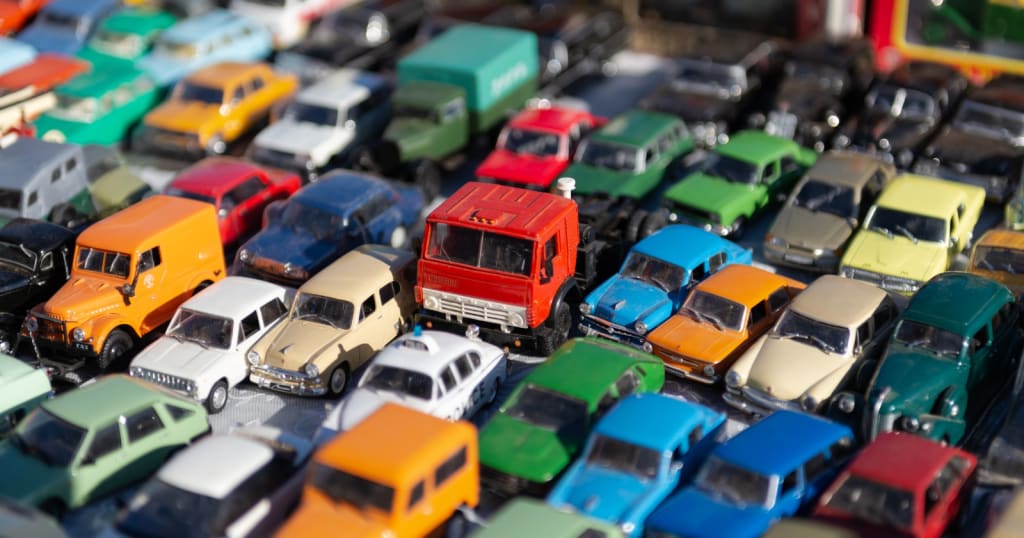
Vehicles Toys – From die-cast cars to model trains, vehicles remain evergreen. Innovation such as remote controls, sound effects, and STEM-linked kits fuels growth.
Plush Toys – Loved for their comfort and collectability. Eco-friendly plush toys are trending, with personalization adding emotional value.
Action Figures & Outdoor/Sports Toys – Popular with children who enjoy role play and physical activity. Branded action figures linked to films and franchises continue to thrive.
Youth Electronics – Tech-driven toys like coding kits and interactive robots bridge traditional play with digital learning.
Arts & Crafts – Encourages creativity, DIY skills, and hands-on expression.
Distribution Channels
Specialty Stores – Focus on high-quality, educational, or eco-friendly toys with curated collections. They often host family workshops, strengthening customer loyalty.
Department Stores & Discounters – Mass-market channels offering accessibility and competitive pricing.
E-Commerce – Fastest-growing channel, enabling price comparison, reviews, and quick delivery.
Others – Includes seasonal markets, toy fairs, and direct-to-consumer brands.
Spotlight on E-Commerce in Germany
Germany’s e-commerce toy sector is a game-changer. Parents increasingly shop online to save time and explore broader options. Same-day and next-day delivery services enhance convenience, while online reviews guide purchase decisions.
This channel also provides smaller toy brands with visibility, helping them compete against giants like Lego and Mattel. For global companies, Germany’s online market is an entry point into Europe’s broader retail ecosystem.
👉 For deeper analysis, detailed segment data, and company insights: 🔗 Request Customization Report
Leading Companies Shaping the Market
The German toy sector is driven by both global giants and local innovators. Major players include:
Mattel Inc. – Known for Barbie and Hot Wheels, expanding into STEM-based and digital play.
Lego – A household name, pioneering educational and creative construction toys.
Ravensburger – Germany’s puzzle and game powerhouse.
Spin Master Corp – Innovating in entertainment-linked toys and interactive play.
VTech – Specializing in electronic and educational toys.
HABA – German brand renowned for eco-friendly wooden toys.
Nintendo Co. Ltd. – Bridging physical and digital play through licensed products.
Funko Inc. – Popular for collectible figures.
JAKKS Pacific – Licensing-driven products linked to global franchises.
Looking Ahead: The Future of Play in Germany
By 2033, Germany’s toy market will be worth nearly US$ 9 billion, supported by strong consumer demand for educational, sustainable, and tech-driven toys. The industry will increasingly focus on hybrid play models, combining physical and digital experiences.
Sustainability will remain a central theme, with green toys becoming mainstream. Meanwhile, e-commerce will redefine distribution, offering global access to German-made products while giving local startups a platform for growth.
For families, toys will remain more than just entertainment—they’ll continue to be tools for learning, bonding, and cultural expression. Germany’s toy industry is thus poised to balance tradition with modern innovation, ensuring playtime stays both joyful and meaningful.
Note: If you need details, data, or insights not covered in this report, we are glad to assist. Through our customization service, we will collect and deliver the information you require, tailored to your specific needs. Share your requirements with us, and we will update the report to align with your expectations.
About the Creator
Ben Tom
Ben Tom is a seasoned content writer with 12+ years of experience creating SEO-friendly blogs, web copy, and marketing content that boosts visibility, engages audiences, and drives results.
The goals I did not achieve
Every writing goal I made for the year is a wash. It has been this way for a while, but I think it's important to be open about my failures and the reality of how life can get in the way. This is especially true considering the several times I have posted on Vocal about my writing goals, how I was changing my approach, and where I was hoping to be for the upcoming year. I will probably do that again in a couple months, but for now, it is time to acknowledge where I am today.
By Kay Husnick21 days ago in Journal
Russia Claims Ownership of Oil Assets It’s Developing in Venezuela
How Moscow’s energy ties in Caracas are shaping geopolitics amid U.S. pressure Russia has recently made a forceful declaration that the oil assets it is developing in Venezuela are legally and unquestionably its own, intensifying a geopolitical tug-of-war over one of the world’s most oil-rich nations. This claim comes amid heightened tensions between the United States and Russia, sparked by U.S. actions in Venezuela and disagreements over who controls the country’s massive energy resources. �
By Fiazahmedbrohi 2 days ago in Journal


Comments
There are no comments for this story
Be the first to respond and start the conversation.