
Russia Claims Ownership of Oil Assets It’s Developing in Venezuela
A deepening energy alliance raises questions about sovereignty, sanctions, and global power shifts

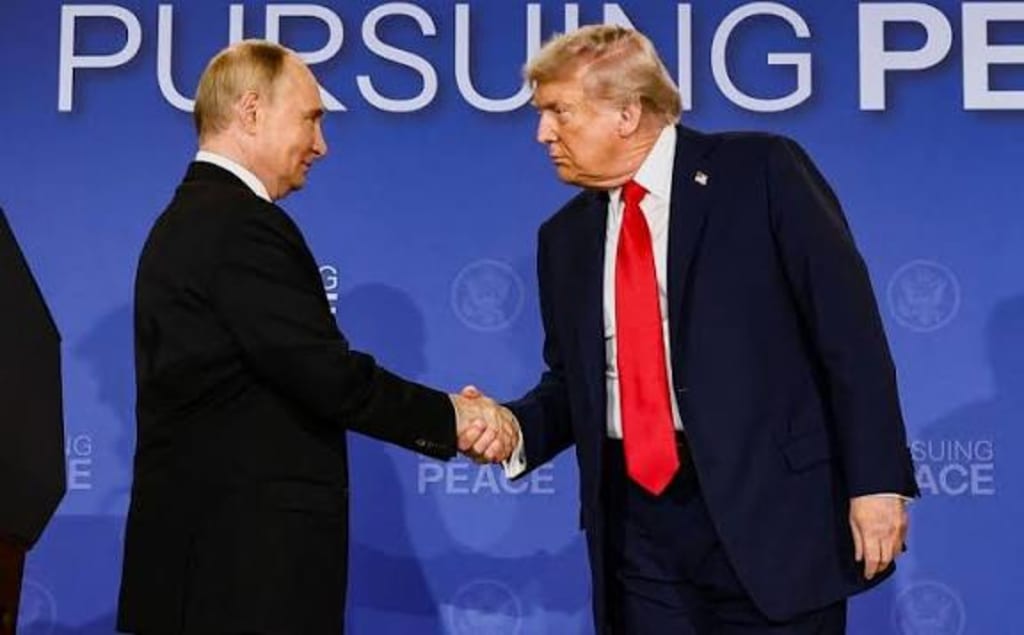
How Moscow’s energy ties in Caracas are shaping geopolitics amid U.S. pressure
Russia has recently made a forceful declaration that the oil assets it is developing in Venezuela are legally and unquestionably its own, intensifying a geopolitical tug-of-war over one of the world’s most oil-rich nations. This claim comes amid heightened tensions between the United States and Russia, sparked by U.S. actions in Venezuela and disagreements over who controls the country’s massive energy resources. �
OilPrice.com
A Legacy Built Through Sanctions and Strategy
The story of Russia’s oil presence in Venezuela begins with a strategic response to U.S. sanctions. In 2020, after Washington imposed restrictions on Rosneft’s Venezuelan operations, the Russian government created a state-owned company, Roszarubezhneft, to take over those assets. This included stakes in five different joint ventures with Venezuela’s state oil company PDVSA, cementing Moscow’s deep involvement in the country’s energy sector. �
OilPrice.com
Roszarubezhneft insists that these holdings were acquired legally, at market value, and in full compliance with Venezuelan and international law. The company’s statement — carried by Russian media — emphasizes that the assets are the “property of the Russian state” and remain so regardless of recent geopolitical developments. �
OilPrice.com
Why the Assertion Now?
Moscow’s assertion of ownership comes at a volatile moment. In early 2026, a U.S. military action resulted in the capture of Venezuelan President Nicolás Maduro, dramatically upheaving the nation’s political landscape. In response, U.S. President Donald Trump has made ambitious claims about the United States exerting control over Venezuela’s resources — particularly its oil — with the implication that Western companies might play a leading role in revitalizing the Venezuelan energy sector. �
TASS
Russia’s declaration appears intended to counter these claims and signal that any attempt to reallocate control of those assets to Western firms would be met with firm opposition. By reinforcing the legality and permanence of its ownership, Moscow is trying to shape both diplomatic and economic narratives around Venezuela’s future.
Geopolitical Stakes and Energy Influence
Venezuela holds some of the largest proven oil reserves in the world, and whoever controls its production infrastructure wields significant influence over global energy markets — especially as demand and supply uncertainties persist. Control of these assets is not just about economics; it also confers strategic leverage in global politics. �
The Moscow Times
For Russia, maintaining a foothold in Caracas has been about much more than oil exports. The relationship has historically encompassed military cooperation, diplomatic support, and shared opposition to American influence in the region. Although Russia’s advance has faced challenges — including logistical difficulties and declining Venezuelan infrastructure — its continued presence underscores the strategic value Moscow places on counterbalancing U.S. power in the Western Hemisphere. �
Reuters
Challenges and Global Reactions
Despite Russia’s firm claim, the situation remains fluid. The U.S. seizure of Venezuelan oil tankers and military operations in the region have escalated tensions. Some of these vessels reflagged under Russia’s banner in recent months, indicating attempts by Moscow and its partners to shield oil shipments from Western enforcement efforts — moves that have drawn sharp reactions from both the U.S. and allied countries. �
Business Insider +1
In addition, the U.S. government’s assertion that it may direct Venezuelan oil into American refineries under state control adds complexity to the energy dispute. Such plans, if implemented, would potentially divert oil revenue away from Russia and toward U.S. interests, challenging Moscow’s ambitions in the region. �
The Week
Legal and Diplomatic Implications
Russia’s emphasis on legal compliance in acquiring these assets is strategic. By framing its ownership as legitimate under Venezuelan law and international agreements, Moscow aims to fortify its position against Western legal challenges. However, the effectiveness of this defense will depend on evolving power dynamics and developments within both the Venezuelan government and the broader international community. �
TASS
Diplomatically, Russia has not shied away from pushing back against Western narratives. Foreign Minister Sergey Lavrov recently criticized U.S. actions as undermining global order — a stance that reiterates Moscow’s broader opposition to perceived American unilateralism. �
Reuters
What This Means for the Future
The battle over Venezuela’s oil assets encapsulates larger trends in global geopolitics: energy resources remain central to national strategy, alliances are continually tested, and legal assertions can serve as powerful tools in diplomatic contests.
Russia’s claim of ownership signals a commitment to retain influence in the Western Hemisphere, even amid pressure from the United States and shifting political landscapes. But ensuring actual control — including safe transport of oil and continued joint operations with Venezuelan partners — will likely demand ongoing negotiation, legal defense, and strategic flexibility.
In essence, Russia’s declaration is far more than an economic statement — it is a declaration of intent in a global arena where energy and power are increasingly intertwined.
About the Creator
Fiaz Ahmed Brohi
I am a passionate writer with a love for exploring and creating content on trending topics. Always curious, always sharing stories that engage and inspire.
Keep reading
More stories from Fiaz Ahmed Brohi and writers in Journal and other communities.
Nicolás Maduro Jailed in New York as Trump Says US Will ‘Run’ Venezuela – A Major Escalation in US-Venezuela Tensions
In a significant escalation of tensions between the United States and Venezuela, Nicolás Maduro, the embattled president of Venezuela, has been jailed in New York following a high-profile arrest. The arrest, which came after years of diplomatic wrangling, further highlights the deteriorating relationship between Washington and Caracas. This development has stirred considerable international attention, with both supporters and detractors of the US's hardline stance on Venezuela weighing in.
By Fiaz Ahmed Brohi15 days ago in Journal
The goals I did not achieve
Every writing goal I made for the year is a wash. It has been this way for a while, but I think it's important to be open about my failures and the reality of how life can get in the way. This is especially true considering the several times I have posted on Vocal about my writing goals, how I was changing my approach, and where I was hoping to be for the upcoming year. I will probably do that again in a couple months, but for now, it is time to acknowledge where I am today.
By Kay Husnick23 days ago in Journal
The Eucharist: Why Catholics Believe in the Real Presence
The Eucharist is the center of Catholic life and worship. At Mass, Catholics receive the Body and Blood of Christ under the forms of bread and wine, a belief that sets Catholicism apart from many other Christian traditions. This doctrine, known as the Real Presence, teaches that Jesus Christ is truly present in the Eucharist, not symbolically or metaphorically, but in reality. Understanding why Catholics believe this and how it impacts their lives can deepen appreciation for this sacred sacrament.
By Sound and Spirit5 days ago in Journal


Comments
There are no comments for this story
Be the first to respond and start the conversation.