
North Korea Escalates Tensions by Blowing Up Border Roads: What’s Next for the Korean Peninsula
Escalation of Hostilities

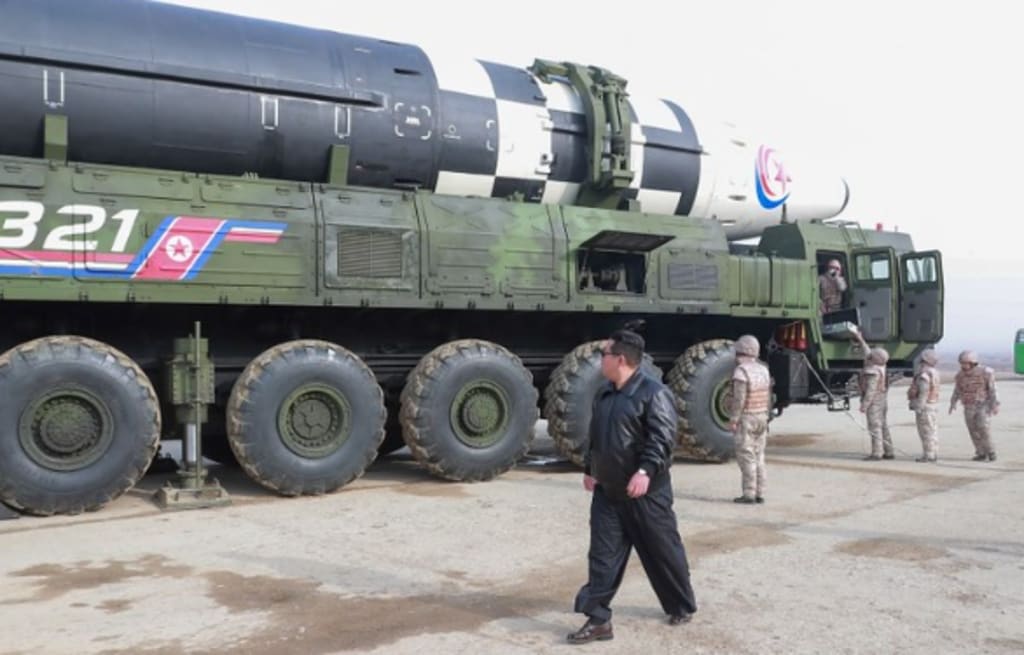
Tensions on the Korean Peninsula have reached a new peak as North Korea has reportedly blown up roads near the South Korean border. This latest act of aggression follows accusations from Pyongyang that South Korea dispatched drones carrying propaganda leaflets over its capital, Pyongyang. The military developments mark a significant escalation in the already strained relations between the two neighboring nations.
Escalation of Hostilities
On Tuesday, the South Korean Joint Chiefs of Staff confirmed that North Korea had detonated the northern sections of roads connecting the two countries. These explosions occurred around midday (03:00 GMT) near the Military Demarcation Line (MDL), the heavily fortified border dividing North and South Korea. Additionally, the South Korean military fired warning shots south of the MDL in response to the provocations.
Seoul had previously warned on Monday that Pyongyang was preparing to destroy the roads, a move that aligns with North Korea’s ongoing strategy to assert dominance and disrupt connectivity between the two Koreas.
Provocative Drone Activity
The recent turmoil began when North Korea accused South Korea of sending drones over Pyongyang, carrying propaganda leaflets aimed at destabilizing the regime. Although South Korea has not officially confirmed the deployment of drones, it has issued stern warnings, vowing to take decisive action if North Korean citizens' safety is threatened.
In response to these allegations, North Korean leader Kim Jong Un convened a meeting with top military and security officials. According to state media reports, Kim labeled the drone flights as the “enemy’s serious provocation” and outlined plans for “immediate military action” and the activation of his “war deterrent” to protect the nation’s sovereignty.
Military Preparations and Historical Context
This recent incident is part of a broader pattern of North Korean military posturing. Earlier this year, North Korea intensified its border defenses by adding anti-tank barriers and laying mines along the MDL. In November 2023, Pyongyang declared it would no longer adhere to a 2018 joint military agreement after South Korea suspended parts of the accord in retaliation for North Korea’s launch of a military spy satellite.
The destruction of roads near the border follows North Korea’s 2020 demolition of the inter-Korean liaison office, signaling the end of a period of detente between the two countries. These actions collectively suggest that North Korea, under Kim Jong Un’s leadership, is shifting away from the long-held objective of peaceful Korean unification, instead positioning South Korea as its primary adversary.
International Repercussions
The escalating tensions have drawn international concern, with global powers closely monitoring the situation. The United States and China, both key stakeholders in Korean Peninsula stability, have called for restraint and dialogue to prevent further deterioration. Analysts warn that continued provocations could lead to a broader conflict, destabilizing the region and impacting global security.
South Korea has reiterated its commitment to defending its sovereignty and the safety of its citizens. Military officials have emphasized that any further aggression by North Korea will be met with a robust response, potentially involving international allies.
Looking Ahead
As the situation develops, the international community remains vigilant. Diplomatic efforts are underway to de-escalate the tensions, but the persistent hostility from North Korea poses significant challenges. The destruction of infrastructure near the border not only hampers economic activities but also serves as a stark reminder of the volatile relationship between the two Koreas.
References
South Korea’s Joint Chiefs of Staff Statement
North Korean State Media Reports
BBC News: Korean Peninsula Tensions
Reuters: North Korea Road Destruction
The New York Times: North and South Korea Relations
Conclusion
The recent destruction of roads by North Korea near the South Korean border marks a significant escalation in inter-Korean tensions. As both nations engage in a series of provocative actions, the risk of conflict looms larger. Diplomatic channels must remain open to prevent further deterioration and work towards a sustainable resolution that ensures peace and stability on the Korean Peninsula.
Stay tuned for more updates on this developing story.
About the Creator
Global News Update
It cover a wide range of topics including politics, economics, technology, environment, and more from around the world. They often provide insights into significant events, trends, and developments impacting various regions globally.
Keep reading
More stories from Global News Update and writers in Journal and other communities.
Pennsylvania Leads Nation in Alarming Whooping Cough Surge: Over 2,200 Infected
A nationwide surge in whooping cough, also known as pertussis, has struck Pennsylvania particularly hard, with nearly 2,200 cases reported in the state. This alarming increase outpaces every other state, prompting local medical experts to heighten their vigilance in combating the outbreak.
By Global News Updateabout a year ago in Journal
Beyond the Balance Sheet: The Evolving Role of the Chief Financial Officer
The responsibilities of a Chief Financial Officer have changed considerably over time. While financial accuracy and compliance remain important, many organizations now rely on CFOs for much more than reporting. Today’s financial leaders are expected to contribute to planning, risk assessment, and long-term stability. This broader role reflects how businesses increasingly recognize finance as a tool for clarity rather than control.
By ORM_Specialist5 days ago in Journal


Comments
There are no comments for this story
Be the first to respond and start the conversation.