
Pennsylvania Leads Nation in Alarming Whooping Cough Surge: Over 2,200 Infected
Alarming National and State Statistics

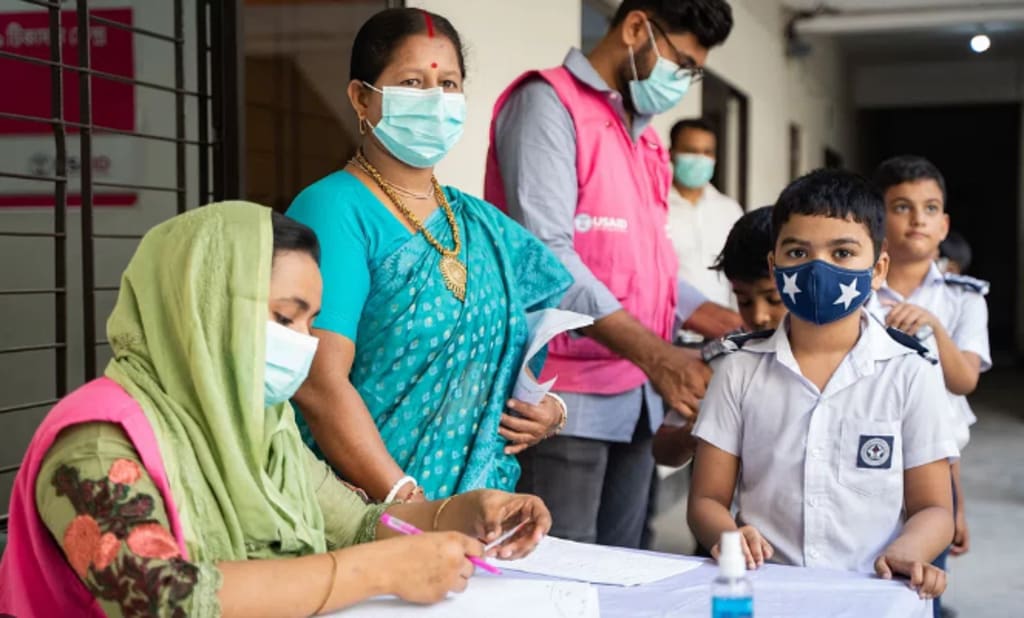
A nationwide surge in whooping cough, also known as pertussis, has struck Pennsylvania particularly hard, with nearly 2,200 cases reported in the state. This alarming increase outpaces every other state, prompting local medical experts to heighten their vigilance in combating the outbreak.
Alarming National and State Statistics
The Centers for Disease Control and Prevention (CDC) have reported over 16,000 cases of whooping cough across the United States this year, marking more than a fourfold increase compared to the same period last year. Tragically, this surge has also resulted in two fatalities. Pennsylvania alone has experienced a tenfold rise in pertussis cases—a significant jump for a disease that is typically rarely fatal but highly contagious.
Understanding Whooping Cough
Whooping cough is a bacterial infection characterized by severe coughing fits that can last for weeks. The name "whooping cough" originates from the distinctive “whoop” sound made when an individual gasps for air after a violent coughing episode. While it is especially dangerous for infants and young children, the disease can affect individuals of all ages.
Causes of the Surge
Declining Vaccination Rates
Dr. Joseph Aracri, system chair of pediatrics at Allegheny Health Network, attributes part of the rise in cases to declining vaccination rates. This trend is not isolated to pertussis but extends to various immunizations across the nation, as documented by the CDC and other health organizations. Dr. Aracri emphasizes that vaccine hesitancy often stems from mistrust or misunderstandings about how vaccines work.
Missed Appointments During Pandemic Lockdowns
CDC scientists also point to missed medical appointments during pandemic-related lockdowns as a contributing factor. These disruptions led to lapses in routine vaccinations, thereby increasing susceptibility to preventable diseases like whooping cough.
Vaccination Efforts in Pennsylvania
Contrary to Dr. Aracri’s observations, the Pennsylvania Health Department maintains that immunization rates in the state remain high and are not the primary cause of this year’s outbreak. Neil Ruhland, a spokesperson for the department, noted that pertussis infections naturally spike every two to five years, categorizing the current situation as a "normal occurrence."
State data reveals that the vast majority of school-age children in Pennsylvania are vaccinated against whooping cough, including 95% of kindergartners. Ruhland further stated, “Vaccination rates for whooping cough have remained relatively unchanged from year to year.”
Abigail Gardner, a spokesperson for Allegheny County, echoed these sentiments, highlighting the cyclical nature of the disease’s spread and the consistently high vaccination rates within the county. She also mentioned that the number of cases has been declining over the past few weeks, offering some relief amidst the surge.
Recommended Vaccination and Treatment Protocols
The Pennsylvania Department of Health outlines specific vaccination schedules to prevent pertussis:Children: Four doses of the pertussis vaccine before age 2, followed by boosters between ages 4-6 and again at 11 or 12.
Pregnant Women: A vaccine between 27 and 36 weeks of gestation.
Adults: Staying up to date with a booster every 10 years.
Dr. Aracri stresses the importance of comprehensive vaccination, stating, “The immunity wanes as you get older. The grandparents are spreading it to the kids, and not so much the kids are spreading it to themselves. So, for that reason, all the adults need to be boosted as well.”
Phases of Whooping Cough
Whooping cough progresses through three distinct phases:
Catarrhal Stage: Initial symptoms resemble a common cold, lasting about one to two weeks.
Paroxysmal Stage: Characterized by intense coughing fits that can last four to six weeks.
Convalescent Stage: A chronic cough phase that may persist for up to six months.
Early detection during the catarrhal stage allows for effective antibiotic treatment. However, once the disease progresses to later stages, treatment options become limited, and the focus shifts to managing symptoms.
Preventive Measures and When to Seek Help
Prevention is paramount in controlling the spread of pertussis. Dr. Aracri advises that individuals in close contact with someone infected—such as family members or classmates—should consider prophylactic antibiotics to prevent transmission.
For infants and young children, who are at the highest risk for severe complications, timely medical intervention is crucial. If a baby exhibits excessive coughing that interferes with feeding or breathing, immediate medical attention is necessary.
Dr. Aracri concludes, “If you notice a whoop, just call your provider.”
Conclusion
The significant rise in whooping cough cases in Pennsylvania underscores the importance of maintaining high vaccination rates and ensuring timely medical care. While the state Health Department emphasizes that the current outbreak aligns with historical patterns, the collaborative efforts of healthcare providers, families, and communities remain essential in mitigating the spread of this highly contagious disease.
References Centers for Disease Control and Prevention (CDC).
Allegheny Health Network. Statements from Dr. Joseph Aracri on pertussis outbreak.
Pennsylvania Department of Health. Pertussis Information and Vaccination Schedules
Allegheny County Health Department. Statements from spokesperson Abigail Gardner.
About the Creator
Global News Update
It cover a wide range of topics including politics, economics, technology, environment, and more from around the world. They often provide insights into significant events, trends, and developments impacting various regions globally.
Keep reading
More stories from Global News Update and writers in Journal and other communities.
Alex Salmond: A Visionary Leader Who Almost Secured Scottish Independence Passes Away at 69
The political landscape of the United Kingdom has lost a significant figure with the passing of Alex Salmond, the former First Minister of Scotland and a stalwart advocate for Scottish independence. At 69, Salmond's enduring legacy in British politics, particularly his relentless pursuit of Scotland's autonomy, marks him as a pivotal character in recent history.
By Global News Updateabout a year ago in Journal
The goals I did not achieve
Every writing goal I made for the year is a wash. It has been this way for a while, but I think it's important to be open about my failures and the reality of how life can get in the way. This is especially true considering the several times I have posted on Vocal about my writing goals, how I was changing my approach, and where I was hoping to be for the upcoming year. I will probably do that again in a couple months, but for now, it is time to acknowledge where I am today.
By Kay Husnick24 days ago in Journal
I Started Using Meta AI SEO Without Expectation—And It Changed How I Write Online
For a long time, SEO felt like something I had to tolerate rather than trust. Every platform demanded optimization, yet the rules kept shifting. One update would reward long-form content, another would punish it. Keywords mattered, then intent mattered more. Somewhere in between, the joy of writing started to fade.
By Anthony Rodgers5 days ago in Journal



Comments
There are no comments for this story
Be the first to respond and start the conversation.