
Key Facts About Crawl Space Humidity Level in Your Home
Keep your crawl space humidity level between 45-55% to prevent mold, wood rot, and pests. Learn how crawl space repair experts help manage moisture for a healthy home.

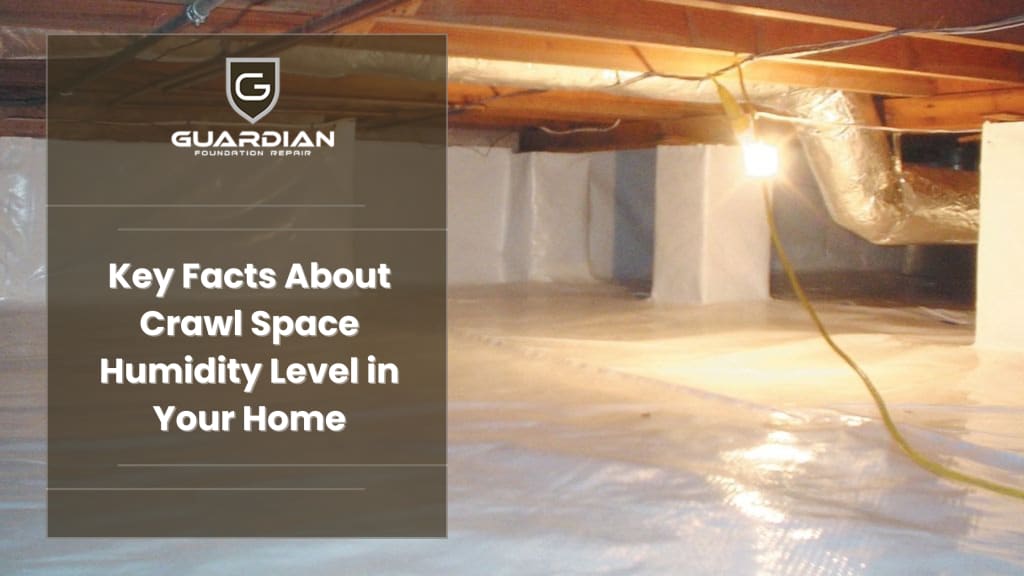
Maintaining the right crawl space humidity level is essential for a healthy home. Many homeowners wonder what the ideal humidity range is, and while opinions vary, crawl space repair experts generally agree that keeping it between 45% and 55% is best. With rising costs today, addressing crawl space humidity is a smart move to protect your investment. Excess moisture can lead to serious damage, affecting not just the crawl space but other areas of your home too. So, what causes humidity in crawl spaces, and how can you effectively manage it? If these questions are on your mind, you're in the right place! This guide will walk you through everything you need to know about tackling crawl space humidity and ensuring your home stays safe and dry.
What is the Ideal Crawl Space Humidity Level?
Having some humidity in your crawl space is normal, but knowing the ideal level is essential. Experts recommend aiming for around 55% humidity for the best conditions. If levels go above 65%, you may face moisture problems, while anything below 40% can lead to shrinkage in your home's structure. To keep track of proper humidity for crawl space, consider using a thermo-hygrometer. Maintaining humidity within this ideal range helps prevent mold and mildew growth, keeps pests away, and protects your home's structure. Ensuring the right crawl space humidity level creates a healthier environment, contributing to better air quality in the living areas above.
Why High Humidity in Your Crawl Space Can Be Dangerous?
Are you concerned about the humidity levels in your crawl space? It's important to pay attention because excessive moisture can lead to serious problems.
Here are some of the risks of having too much humidity in that area:
- Mold Growth: Mold loves damp places. If your crawl space is moist, mold can appear quickly. While white mold may not harm the wood, it indicates high humidity. More concerning is black or brown mold, which can cause structural damage. If you see root-like growths in the wood, that's Poria fungus, which can seriously threaten your home's stability if not treated promptly.
- Wood Rot: High humidity can lead to wood rot. When the moisture in the wood goes beyond a certain point, it starts to decay, putting your home's structure at risk.
- Pest Infestation: Excess moisture attracts various pests, including spiders, termites, slugs, and crickets. These creatures thrive in damp environments because they find food, water, and shelter, making your crawl space a home.
Keeping an eye on crawl space humidity levels is crucial to maintaining a safe and healthy home.
Health Risks of Neglecting Crawl Space Humidity
Neglecting the humidity levels in your crawl space can pose serious health risks. High humidity creates a perfect breeding ground for mold and mildew, which release tiny particles into the air that can trigger allergic reactions when inhaled. Excess moisture can irritate your lungs, making breathing difficult, particularly for those with asthma. If asthma attacks increase in your household, it may be time to investigate your crawl space. Furthermore, a damp crawl space can compromise the air quality throughout your home, as the humid air can circulate into living areas. It can lead to headaches, fatigue, and long-term health issues. Getting in touch with house foundation repair experts to manage crawl space humidity is vital for maintaining a healthy living environment!
Sure Signs That Suggest Crawl Space Problems:
Being aware of the warning signs of crawl space issues is crucial for maintaining a healthy home. Excessive humidity can lead to various problems, so keep an eye out for these common indicators:
- Musty Odors: A strong, musty smell in your home may indicate high humidity levels in the crawl space.
- Visible Mold or Mildew: If you see mold or mildew on walls, floors, or insulation, it's a clear sign of moisture issues.
- Damp Insulation: Insulation that feels wet or damp is a red flag for humidity problems in your crawl space.
- High Indoor Humidity: Consistently high indoor humidity levels could suggest moisture issues in the crawl space.
- Pest Infestations: Damp environments attract pests like rodents and termites, which can indicate excessive humidity.
- Sagging or Uneven Floors: High humidity can weaken wood, leading to sagging or uneven floors in your home.
Staying attentive to these signs can help you address crawl space issues before they escalate!
Understanding the Causes of Crawl Space Humidity

To effectively address crawl space moisture problems, it's essential to identify their root causes. Here are four common reasons for excessive humidity in your crawl space:
Standing Water
Stagnant water in your crawl space creates wet and musty conditions. Flooded areas release water vapor into the air, raising humidity levels. If standing water covers the vapor barrier, it worsens the problem by allowing more moisture to enter the crawl space. Regular inspections are crucial to detect signs of flooding, such as watermarks on walls or wet soil around the perimeter.
Moisture from the Ground
Saturated soil beneath your crawl space can evaporate moisture into the air, increasing humidity levels. Even if the surface appears dry, moisture may still be rising. Using a thermo-hygrometer can help you monitor ground moisture evaporation.
Outdoor Air Through Vents
While crawl space vents are intended to alleviate humidity, they can sometimes worsen the issue. Damp outdoor air can enter through these vents, increasing moisture levels. In summer, hot air that enters can cool and condense on surfaces, adding to humidity. This is why relying on vents for humidity control may not be effective.
Poor Drainage
Inefficient drainage systems around your home can result in water pooling near your foundation, which can seep into the crawl space. Ensure that gutters and downspouts direct water away from your house to reduce the risk of humidity problems.
By understanding these causes, you can take appropriate foundation repair measures to manage crawl space humidity effectively!
How to Address Crawl Space Humidity Issues?
High humidity levels in your crawl space can lead to serious problems if left unchecked. Taking action early can save you from costly repairs down the line. Here are some effective strategies to manage crawl space humidity:
Seal Cracks and Gaps
Start by examining the walls and foundation of your crawl space for any cracks or openings that might allow moisture to enter. Sealing these gaps is essential to prevent water from seeping in. Additionally, check for plumbing leaks, as they can also contribute to moisture problems. Repairing any leaks promptly will help keep your crawl space dry.
Manage Standing Water
If you notice standing water in your crawl space, it's important to identify the cause. Check if the soil slopes toward your foundation; if it does, you'll need to regrade it to direct water away from your home. If a plumbing leak is the issue, contact a professional to locate and fix the leak, as even small leaks can lead to significant moisture problems.
Install a Sump Pump
A sump pump can be an excellent solution for keeping water out of your crawl space. This device collects water in a bucket and pumps it outside your home. Make sure to check the sump pump regularly to ensure it's working properly, especially during heavy rain or snowmelt.
Use a Vapor Barrier
Installing a vapor barrier on the floor of your crawl space can significantly reduce humidity. This thick plastic sheet prevents moisture from the ground from rising into the crawl space, protecting wooden structures and insulation. It's best to hire a professional for installation to ensure it's done correctly, as a well-installed vapor barrier can also improve indoor air quality.
Consider a Dehumidifier
A crawl space dehumidifier can help maintain optimal humidity levels. This device circulates dry air throughout the space, reducing moisture. If your crawl space remains open, it can still attract moisture and pests. Encapsulating the crawl space with a vapor barrier system can help keep it clean and dry.
Encapsulate Your Crawl Space
Encapsulation is one of the most effective methods for controlling humidity. This process involves sealing the crawl space with a high-quality moisture barrier that covers the ground, walls, and ceiling. Crawl space encapsulation benefits with improved air quality, pest control, and enhanced home value. It's a smart investment for maintaining a healthy and energy-efficient home.
By implementing these strategies, you can effectively manage humidity in your crawl space and protect your home from potential damage!
Selecting the Right Crawl Space Company
Hiring a crawl space repair professional is important for effective solutions when facing issues with your crawl space. To ensure you choose the right company:
- Consider three key factors: reputation, quality of products, and price.
- Start by checking reviews and references to gauge the company's trustworthiness.
- Inquire about the quality of materials they use, as this impacts the longevity of the repairs.
- Gather multiple quotes to find a price that fits your budget, but be cautious of unusually low estimates, which may indicate hidden costs or subpar work.
A Step Ahead in Crawl Space Humidity Control!
Keeping the best crawl space humidity level is crucial for the health of your home. High moisture can lead to serious issues like mold growth, wood decay, and pest infestations, which can damage your property over time. If you're experiencing high humidity, options like sump pumps, dehumidifiers, or vapor barriers can help. For trusted solutions, reach out to experts in crawl space encapsulation today for an inspection and estimate to protect your home from moisture problems!
About the Creator
Guardian Foundation Repair
Best foundation repair service provider in Knoxville, TN - Guardian Foundation Repair. We provide services like foundation repair, basement repair, crawl space, and water management. For more details contact us at our website.
Keep reading
More stories from Guardian Foundation Repair and writers in Journal and other communities.
Exploring Slab Leaks: What It Is, Causes and Solutions
Imagine this: the place you call home, the foundation that holds your dreams and memories, is suddenly under threat. Cracks appear like whispers on the walls, and the sound of running water echoes through the corridors. It's a sign that something sinister may be lurking beneath the surface – a slab leak. Fear not, for we hold the key to restoring your home's strength and security: foundation repair. Keep reading to discover everything you need to know about slab leaks. Learn about the causes and find effective solutions to maintain a strong and secure foundation.
By Guardian Foundation Repair2 years ago in Journal
How Emotional Release Affects Physical Balance.
Emotions are powerful forces that shape how we think, act, and experience life. While their psychological impact is widely acknowledged, their effect on the body is equally profound. Unprocessed emotions can manifest physically, altering posture, movement, and overall balance. Understanding this connection offers a path to improved health, coordination, and wellbeing.
By Wilson Igbasia day ago in Journal
10 Times Rotten Tomatoes and I Disagreed
***Disclaimer*** I will be ranking these movies in the following manner: The greater the divide between Rotten Tomatoes and I, the higher up on the list (and I am referring to the critic's score, not the audience score). I will also show Rotten Tomatoes' score on each one in addition to my score. I am curious to know what everyone thinks, please let me know in the comments below!
By Madison "Maddy" Newton2 days ago in Geeks



Comments
There are no comments for this story
Be the first to respond and start the conversation.