
Journey of Zalando marketplace — an inspiration for new sellers!
Started in a small room, Zalando marketplace has become Europe’s Fashion Savvy Marketplace Now!

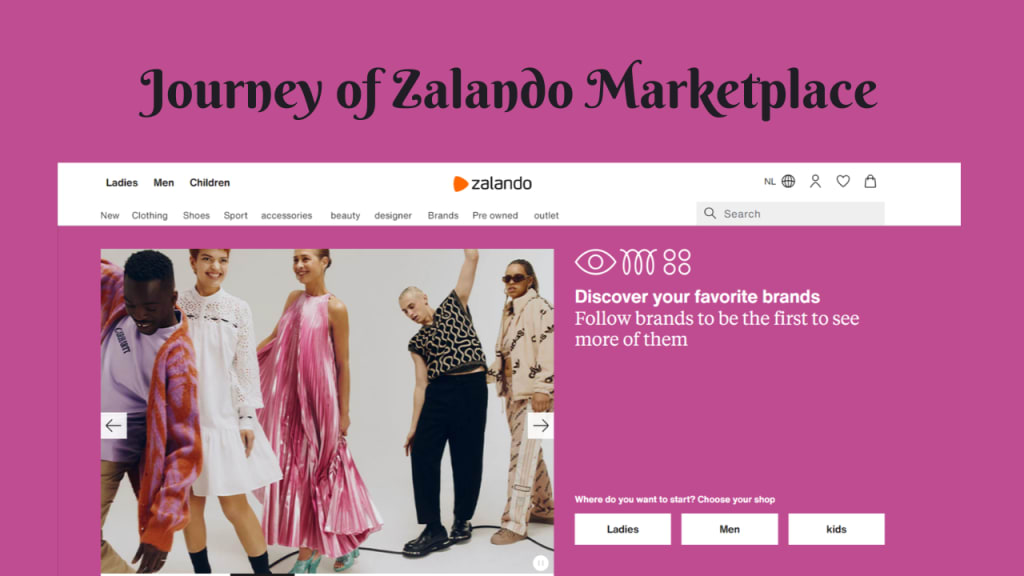
Like any other small retailer, Zalando started its journey small!
Back in 2008, Zalando was just an idea of ‘selling shoes online’ by the two university students, Robert Gentz and David Schneider. One of the university friends even told them,
“Order shoes on the Internet, without trying them on? That’ll never work!”
But the feedback didn’t break their determination and they turned their small business idea into a small online shoe store, Ifansho, in the fall of 2008.
The name was later changed to Zalando — reference to an Italian term ‘zalare,’ meaning ‘making jokes’!
Those Initial Days…
The founders started their business with a small team in a shared apartment. It was soon turned into an office and a warehouse. Robert and David also used their private numbers as customer hotlines and went to post offices themselves to drop packages for delivery.

Zalando brought a new standard in online retail by offering free delivery and a 100-days return policy.
The customers liked this idea and soon, the word was spread across the whole market. And, their small team grew so big that they had to shift their office to a new place.
After two years, in 2010, Robert and David convinced their university friend, Rubin Ritters, to join them as a third member of the Management Board and utilize his potential business ideas and plans.
No Longer a Berlin StartUp…
Presently, the Zalando marketplace is a well-known name and a fashion hub of Europe. The small shoe business has turned into a full-fledged fashion marketplace. And it sells products ranging for all sizes including men, women, and kids.

Moreover, it has a wide variety of products ranging from clothing and fashion accessories to beauty and designer products. In addition to this, the marketplace is active in 20 European countries with about 42 million active customers.
Furthermore, the marketplace offers 23 local payment options and their customer service speaks 16 languages as they want their customers to be able to understand them. Plus, the sellers worldwide sell on Zalando, making their presence in the European market and contributing their part in the further growth of this marketplace!
How Zalando Contributes to European eCommerce market
Zalando marketplace and the European eCommerce market have a very strong relationship that has become stronger over the years. Over the last decades, this marketplace has made a firm position and accounts for over 10 percent of the continent's entire fashion market.
Looking to Expand your Small Business like Zalando?
Are you inspired by the success story of the Zalando marketplace and looking to expand your business? Well, this platform has attracted much attention from European customers as well as sellers in recent years. But new sellers from other regions hesitate to sell on the Zalando marketplace. Why?
Because managing different marketplace accounts along with an online store isn’t as easy as it may sound. So, what should you do? I will suggest you do what small businesses are doing to outshine their competitors — opt for eCommerce Automation!
Get an API connector for your online store to connect it to the Zalando marketplace. Doing so will automate all the selling process online and other methods involved! Small businesses are using it to cut down costs and do more in less time. And you can too!
You may have started small but your size shouldn’t stop you from achieving the success you are meant to!
Over a decade ago, two university students started a small online business, Zalando. Today, the same business has turned into a €10 billion company, actively working in 20 European markets.
So, why can’t you expand your business and reach more customers when you have a solution to sort all your eCommerce issues?
About the Creator
Jyoti
Jyoti is a content writer & strategist who loves exploring different platforms to engage with sellers and inspire them to grow. Her work includes planning & preparing the content of different forms, from long blog posts to short microblogs.
Einstein’s Early Struggle: The 1895 Swiss Federal Polytechnic Entrance Exam and Lessons in Talent and Perseverance
In 1895, a 16-year-old Albert Einstein faced a setback that many might have seen as a sign of failure: he failed the entrance exam for the Swiss Federal Polytechnic in Zurich. While this moment is often remembered as a youthful stumble in the life of one of history’s greatest scientific minds, it offers profound insights into the nature of talent, learning, and perseverance. Einstein’s experience reminds us that early academic challenges do not define one’s potential, and that success often comes from persistence and leveraging one’s strengths.
By Salaar Jamali2 days ago in Journal



Comments
There are no comments for this story
Be the first to respond and start the conversation.