
Japan Retail Market: Size, Share, Trends and Forecast
How Consumer Behavior, Digital Innovation, and Urban Lifestyles Are Reshaping Retail in Japan
Market Overview
Retail remains one of the most influential pillars of Japan’s economy, closely tied to consumer spending, lifestyle preferences, and demographic change. From neighborhood grocery stores and department stores to convenience outlets and digital platforms, Japan’s retail sector reflects how people live, work, and shop in a highly urbanized society.
In 2025, the Japan retail market reached an estimated value of USD 1,802.8 billion, highlighting the scale and resilience of domestic consumption. Physical retail continues to play a vital role, especially for daily essentials, food, and personal care products. At the same time, digital commerce and omnichannel strategies are steadily reshaping how consumers interact with brands and retailers.
Looking ahead, the market is projected to grow gradually and reach approximately USD 2,022.7 billion by 2034. This steady expansion is supported by stable consumer demand, increased digital engagement, and evolving shopping habits across different age groups. Rather than rapid disruption, Japan’s retail market is characterized by measured transformation that balances tradition with innovation.
Changing Consumer Behavior in Japan
- Convenience as a Core Expectation
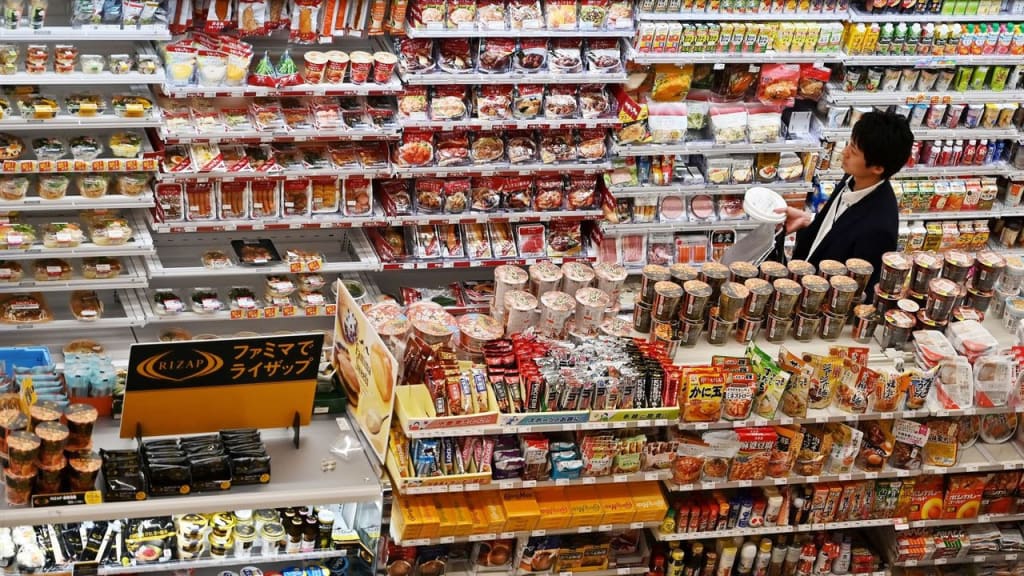
Japanese consumers place a strong emphasis on convenience, speed, and reliability. Convenience stores, compact urban supermarkets, and well-organized retail layouts cater to busy lifestyles, particularly in major cities. Retailers that simplify purchasing and reduce friction tend to earn long-term customer loyalty.
- Value, Quality, and Trust
While price sensitivity exists, many consumers prioritize quality, safety, and brand trust over low cost alone. This preference supports demand for premium products, private-label offerings, and well-curated assortments that emphasize reliability and consistency.
- Digital Influence on Purchase Decisions
Even when purchases are made in physical stores, digital touchpoints increasingly influence decision-making. Online research, mobile apps, and social media play an important role in product discovery, reviews, and price comparison.
Role of Innovation in Market Development
- Omnichannel Retail Strategies
Retailers across Japan are integrating physical and digital channels to create seamless shopping experiences. Consumers can browse products online, place orders via mobile apps, and choose flexible fulfillment options such as home delivery or in-store pickup. This approach strengthens engagement while preserving the value of physical retail spaces.
- Data Analytics and Personalization
Advances in data analytics are helping retailers better understand customer preferences and shopping behavior. Loyalty programs and purchase data enable more targeted promotions, personalized recommendations, and improved inventory planning.
- Automation and Contactless Shopping
Automation technologies are becoming more common, particularly in urban retail environments. Self-checkout kiosks, mobile payment systems, and contactless transactions improve efficiency and reduce waiting times, aligning with consumer expectations for speed and ease.
Japan Retail Industry Trends and Drivers
- Growth of E-Commerce and Mobile Commerce
Online retail continues to expand as consumers increasingly shop through smartphones and digital platforms. Reliable delivery services, secure payment systems, and easy returns have increased confidence in e-commerce across all age groups.
- Experiential Retail and Store Innovation
Physical stores are evolving beyond traditional selling spaces. Flagship stores, pop-up concepts, and experiential layouts are being used to attract foot traffic and create memorable brand interactions that online channels cannot fully replicate.
- Urbanization and Lifestyle Shifts
High population density in cities such as Tokyo, Osaka, and Nagoya drives demand for compact, efficient retail formats. Convenience stores, specialty shops, and urban lifestyle outlets cater to fast-paced routines and limited living spaces.
Japan Retail Market Segmentation
By Product Category
- Food and Beverages
- Personal and Household Care
- Apparel, Footwear, and Accessories
- Furniture, Toys, and Hobby Products
- Electronics and Household Appliances
- Others
By Distribution Channel
- Supermarkets and Hypermarkets
- Convenience Stores
- Specialty Stores
- Online Retail Platforms
- Others
By Region
Kanto
Kansai / Kinki
Chubu
Kyushu–Okinawa
Tohoku
Chugoku
Hokkaido
Shikoku
This segmentation highlights the diversity of retail formats and consumer needs across Japan’s regions.
Competitive Landscape
The market research report has also provided a comprehensive analysis of the competitive landscape. Competitive analysis such as market structure, key player positioning, top winning strategies, competitive dashboard, and company evaluation quadrant has been covered in the report. Also, detailed profiles of all major companies have been provided. Some of the key players include:
- AEON Co. Ltd.
- Amazon.com Inc.
- Lawson Inc.
- Nitori Co. Ltd.
- Seven & i Holdings Co. Ltd.
- SHIMAMURA Co. Ltd.
- Uniqlo Co. Ltd.
- Yodobashi Camera Co. Ltd.
Market Outlook
The Japan retail market is expected to continue evolving through gradual, steady growth rather than rapid disruption. E-commerce will remain an important driver, but physical stores will retain their relevance by focusing on convenience, experience, and localized service.
As consumer expectations diversify and digital tools mature, retailers that invest in omnichannel integration, data-driven decision-making, and operational flexibility will be best positioned to succeed. Retail will continue to serve as a reflection of Japan’s social, economic, and technological transformation in the years ahead.Supermarkets and Hypermarkets
About the Creator
~ Fired ~
— Ai Intrusion ~ Are you Next ~ Is Ai Evolution after your job? — Few workplaces haven't been affected. Ai is in supermarkets, at doctors' offices, and even monitoring farms. I just can't think of anything this machine is not getting into, can you? For instance: Education ~ Law and Tech jobs will one day have a major influence or be taken over by these inanimate machines, with accuracy and vigor. From mechanics' diagnoses to a wide variety of everyday jobs, including fast food workers, with this input having the ability to cut their unnecessary work hours. I'm certain all of us have been touched by this with our short stories and colorful headings, have you? Even comments are very questionable 'Non-Robot' insertions.
By Jay Kantor3 days ago in Journal
The 2026 Report: Who Is Actually Moving the Needle for Karachi’s Economy?
If you are running a business in Karachi right now, you know the reality. The grid is unstable, the rupee is fluctuating, and the old ways of doing business—relying purely on local foot traffic—are fading. In 2026, the only real stability comes from foreign currency.
By Mahnoor Qureshi2 days ago in Journal


Comments
There are no comments for this story
Be the first to respond and start the conversation.