
Japan Boosts Deep-Sea Mining Plan to Cut Rare-Earth Reliance
Tokyo accelerates seabed exploration as geopolitical tensions and supply risks drive a new strategy for critical minerals

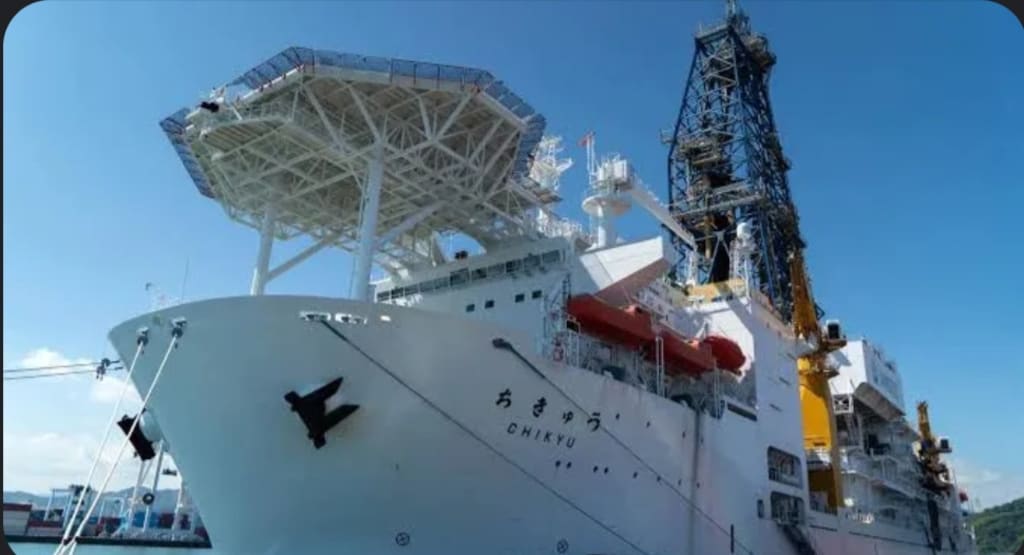
Japan has announced an ambitious push to expand its deep-sea mining initiatives, aiming to reduce reliance on imported rare-earth elements (REEs) essential for high-tech industries, including electronics, renewable energy, and defense. The move comes amid growing global concerns over supply chain security, particularly given China’s dominant position in the rare-earth market, which has historically supplied more than 80% of the world’s demand.
By investing in seabed exploration and extraction technology, Japan seeks to secure a domestic source of these critical minerals, ensuring industrial resilience while positioning itself as a global leader in sustainable mining practices.
Rare-Earth Elements: Strategic Importance
Rare-earth elements, despite their name, are relatively abundant in the Earth’s crust but are difficult to extract economically. They are indispensable for modern technologies such as:
Permanent magnets used in electric vehicles and wind turbines
Batteries and energy storage systems
High-performance electronics and semiconductors
Military hardware, including guidance systems and sensors
Japan’s heavy reliance on imports, particularly from China, has exposed its industries to geopolitical risk. Past disputes over trade restrictions and export controls have demonstrated how vulnerable supply chains can be to international tensions. Deep-sea mining offers a potential solution by tapping into seabed deposits outside foreign jurisdictions.
Japan’s Deep-Sea Mining Strategy
The government’s plan involves accelerated exploration of polymetallic nodules, crusts, and sulfides found on the ocean floor. These formations contain rare-earth metals, cobalt, nickel, and other strategic minerals. Key components of Japan’s strategy include:
1. Advanced Technology Development: Japan is investing in autonomous underwater vehicles (AUVs) and remotely operated mining systems capable of operating at extreme depths, often exceeding 4,000 meters.
2. Environmental Safeguards: Authorities emphasize minimizing ecological disruption, with plans for real-time monitoring of sediment plumes and careful site selection to protect marine biodiversity.
3. International Collaboration: Japan is collaborating with other countries and research institutions to share technological advances, regulatory frameworks, and environmental assessments.
4. Industrial Partnerships: Leading Japanese corporations, particularly in electronics and automotive sectors, are actively participating in research and investment, aiming to integrate deep-sea resources into domestic supply chains.
Economic and Strategic Implications
Securing domestic rare-earth resources could significantly reduce Japan’s dependence on imports, stabilize industrial costs, and enhance national security. Experts note that access to seabed deposits would also provide Japan with leverage in international negotiations regarding strategic minerals.
The initiative may also stimulate domestic industries, creating jobs in high-tech engineering, marine exploration, and environmental management. Analysts expect that successful deep-sea mining could encourage private-sector investment, particularly from companies producing electric vehicles, batteries, and renewable energy technologies.
Environmental and Regulatory Challenges
Despite the potential benefits, deep-sea mining is not without controversy. Environmental groups warn that seabed extraction could disrupt fragile ecosystems, harm benthic species, and release toxic substances trapped in ocean sediments. Critics argue that the long-term ecological impact is not yet fully understood, raising concerns about sustainability.
Japan is attempting to address these concerns through strict environmental standards and comprehensive impact assessments. Proposed regulations include:
Limiting extraction zones to areas with minimal biodiversity
Continuous monitoring of sediment dispersal and water quality
Strict guidelines for waste management and chemical use
International frameworks, such as those developed by the International Seabed Authority (ISA), provide additional oversight, although enforcement remains challenging in deep-ocean environments.
Geopolitical Context
Japan’s push for deep-sea mining is influenced by geopolitical dynamics. China’s near-monopoly on rare-earth production has prompted Japan, the United States, and the European Union to seek alternative sources. Securing domestic and regional supplies of critical minerals is now seen as a strategic imperative, particularly for industries central to economic growth and national defense.
Additionally, deep-sea mining offers a way for Japan to diversify its mineral sources while adhering to international trade norms. By reducing dependence on a single supplier, Tokyo aims to enhance resilience against future supply disruptions or trade conflicts.
Future Outlook
Experts believe that Japan’s deep-sea mining initiatives could take several years to yield commercial-scale output. Challenges include technological limitations, environmental concerns, and high extraction costs. Nevertheless, preliminary research and pilot programs have shown promise, with successful prototype systems demonstrating the feasibility of deep-sea extraction.
Long-term, Japan hopes to establish a sustainable model for deep-sea resource utilization, balancing industrial needs with environmental stewardship. If successful, the country could serve as a benchmark for other nations seeking to develop ocean-based mineral resources responsibly.
Conclusion
Japan’s acceleration of deep-sea mining initiatives reflects a strategic response to global supply chain vulnerabilities and the critical importance of rare-earth elements for modern technology. By leveraging advanced technology, regulatory oversight, and industrial collaboration, Tokyo aims to secure domestic resources, reduce dependence on imports, and position itself as a leader in sustainable mining practices.
While challenges remain—particularly environmental and technological—the effort represents a bold step toward self-reliance in strategic minerals, potentially reshaping Japan’s industrial landscape and global rare-earth markets in the coming decade.
About the Creator
Keep reading
More stories from Salaar Jamali and writers in Journal and other communities.
World Bank Flags Irrigation Failures
The World Bank has recently raised concerns over persistent irrigation failures in several developing countries, warning that inefficiencies in water management are undermining agricultural productivity and threatening long-term food security. In a detailed report, the global financial institution highlighted systemic issues ranging from outdated infrastructure to misallocation of resources, emphasizing that urgent reforms are needed to ensure sustainable and equitable access to water for farming communities.
By Salaar Jamaliabout 9 hours ago in Journal
Salt Typhoon and the Widespread Hacking of Western Telecoms Networks
China's Salt Typhoon campaign represents a fundamental shift in state-sponsored cyber espionage, moving away from the opportunistic targeting of individuals towards the systematic subversion of national telecommunications infrastructure. Attributed to contractors working for the Chinese Ministry of State Security based in Chengdu, this operation has exposed a profound structural vulnerability at the heart of Western democratic governance.
By James Marinero3 days ago in Journal
Living in a hemp house
Hemp, a multi-purpose crop that delivers fibres, shivs, seeds, and pharmaceuticals is currently used in insulation materials and bio-composites for a more sustainable construction industry. Russ Martin and his wife Karon Korp tell their story as owners of the first hemp house in the U.S.
By Susan Fourtané 7 days ago in Interview


Comments
There are no comments for this story
Be the first to respond and start the conversation.