
IT and Logistics: Changing the Face of Transport
Find out how IT and logistics are changing transportation, making it faster, cheaper, and more efficient around the world.

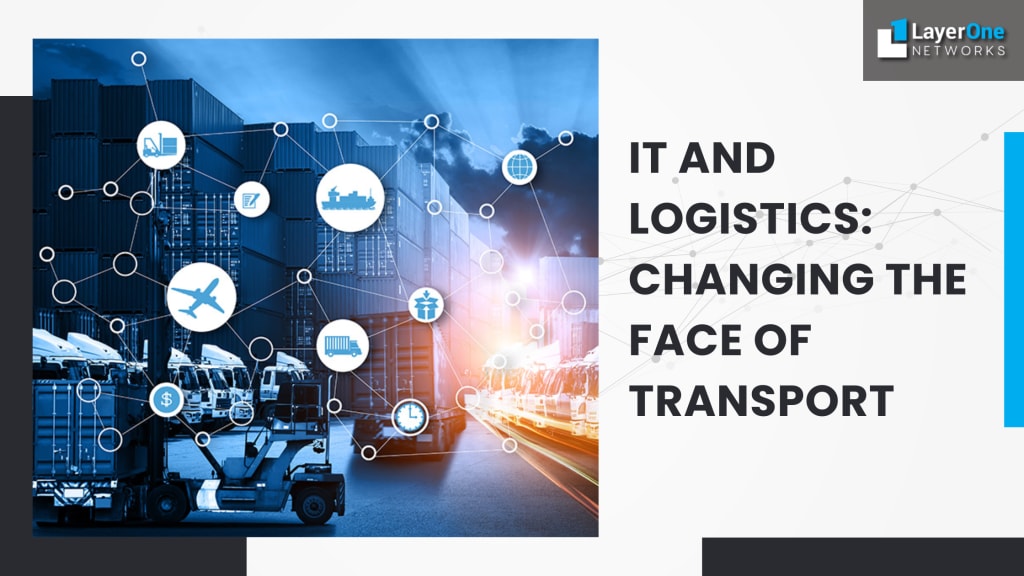
In the interconnected world, businesses rely constantly on the latest tools and technology to achieve success and higher productivity. Digital transformation is increasingly adopted in every business sector, including logistics and transport. However, with the integration of modern information technology, IT and logistics are transforming the transport industry to the next level, creating higher business efficiency, reliability, and cost-effectiveness.
Automation, digitization, and a range of managed IT services have entirely reshaped how logistics businesses operate systematically with improved connectivity. As transportation industries make excellent efforts to achieve greater agility and precision, IT and logistics emerge as essential forces that completely revolutionize how goods move from one source to the destination.
This combination is a trend and a fundamental shift modifying the transportation environment. In addition, integrating GPS tracking devices and the rise of autonomous vehicle development have improved the speed and safety of goods delivery. This blog discusses the critical role of IT systems and modern technologies in the logistics and transportation industry.
The Impact of IT Services In Logistics Operations
Insights Into The Evolution of IT In Logistics
Historically, the transportation and logistics industry has heavily depended on manual processes, which are time-consuming and prone to errors.
For example, they use paper-based documents to enter the records of goods delivery and the price estimation of transportation from one place to reach the final destination.
However, the logistics industry began to experience more advancements with the emergence of IT services. Modern software and real-time data analytics have streamlined operations, improving the capacity to manage supply chains with precision, accuracy, and agility.
Real-Time Tracking and Data Analytics
Real-time tracking has become an essential part of logistics. For this reason, IT services enable GPS and Internet of Things devices to continuously supervise the condition and location of goods shipments in real-time.
This unique function of tracking real-time updates is invaluable for companies that need timely delivery and preserve the integrity of goods, especially biodegradable items.
With the proper IT support services, data analytics further improves logistics by providing in-depth insights into operational performance.
For example, by analyzing the data collected from various resources in the supply chain, logistics companies can identify obstructions, optimize routes, and predict demands in advance.
This advanced predictive functionality allows for more informed business decision-making and strategic planning, reducing costs and improving efficiency.
Automation And Robotics
Robotics and automation are the next-level advancements in IT and logistics. With the latest tools and managed IT services, warehouse and distribution centers are now equipped with automation systems that manage inventory, process orders, and handle packaging.
In contrast, advanced robotics plays a vital role in packing goods, reducing human error and increasing speed.
These automated systems are often integrated with advanced warehouse management systems (WMS), which use algorithms to optimize storage space and streamline operations.
This next level of automation ensures that logistical processes are more reliable, efficient, and cost-effective.
Use of GPS In the Logistics Industry
Innovative GPS technology has transformed the transportation industry with advanced real-time tracking and route allocation features. It can also check vehicle health and driver performance to achieve better efficiency.
For example, consider a situation in which a business has a network of 15 trucks for goods delivery at different geographical locations. A company with an advanced GPS tracking facility and a range of managed IT services like telematics systems can track the trucks in real-time. This feature helps to change the entire route to reach the destination based on traffic conditions and avoid delays in goods delivery services.
In addition, the data from GPS systems is used to improve fuel efficiency and plan the maintenance schedule.
Improving Supply Chain Visibility
For example, supply chain visibility is essential in logistics, and IT services have widely improved this feature. Improved visibility in the supply chain means that all stakeholders, ranging from manufacturers to end consumers, have access to relevant information about the status of goods and products in transportation.
This transparency encourages trust and collaboration amongst the supply chain partners. Thus, it becomes the primary reason to hire MSPs to manage logistics business devices for higher performance.
E-Commerce And Last-Mile Goods Delivery
The rise of the e-commerce sector has placed new demands on the logistics industry, particularly in last-mile goods delivery.
For example, consumers and customers now expect faster delivery of goods and services, often with real-time tracking and updates.
Managed IT services are essential in meeting these expectations after optimizing delivery routes and improving communication between customers and drivers.
Blockchain Technology
This innovative blockchain technology is increasingly used to improve supply chain transparency. For example, by creating fixed records of transactions, blockchain assures that all parties have access to a single source of information.
This unique transparency helps reduce fraud using cybersecurity services, improves goods tracking, and ensures compliance with industry regulatory requirements.
For example, in the food industry, the blockchain can track a product's journey directly from the farm to the table, ensuring all safety standards are met and allowing consumers to verify the authenticity of their purchases. This advanced level of transparency is beneficial for compliance and necessary for building customer or consumer trust.
Route Optimization
In the logistics industry, dedicated route optimization software uses detailed machine learning algorithms to decide the most efficient paths for delivery vehicles, considering various factors such as delivery windows, traffic conditions, and vehicle capacity. This process speeds up product deliveries and reduces fuel consumption and operational costs.
In addition, companies are increasingly adopting hybrid delivery models that combine traditional delivery methods and techniques with crowdsourced delivery networks.
This method uses advanced technology to match delivery tasks with available drivers, often resulting in faster and more flexible service. This unique method also uses MSP support to overcome labor shortage issues in the logistics industry.
Green Logistics
This type of green logistics involves using IT services to promote environmentally friendly best practices. For example, companies can use in-depth data analytics to reduce empty miles and vehicle trips with cargo, coordinate backhauls, and combine shipments.
In addition, electric and hybrid vehicles guided by IT systems and IT support services are being adopted to reduce carbon emissions.
For example, supply chain optimization also plays an essential role in sustainability. With advanced predictive analytics, companies can better forecast demand and adjust their supply chains accordingly, reducing overproduction and waste.
Sustainability In Logistics
Sustainability is a remarkable and growing concern in the logistics sector, with various companies finding to reduce their environmental impact. Managed IT services contribute remarkably to sustainability efforts by optimizing resource use and reducing waste.
Unique Sets Of Challenges and Future Prospects
The combination of IT and logistics provides numerous benefits but presents or showcases challenges. For example, cybersecurity is a security concern since increased connectivity and data sharing create vulnerabilities and exposure to data breaches.
Protecting sensitive information using cybersecurity services and ensuring the resilience of IT systems against cyberattacks is essential.
Also, the rapid pace of technological advancement means that logistics companies should continuously adapt and invest in new technologies. This process needs remarkable financial resources and a commitment to ongoing staff and employee training and development.
The future of IT and logistics looks promising, even with more incredible innovation. The development of drones and autonomous vehicles has the potential to revolutionize logistics and transport further.
Modern technologies could reduce delivery times and costs, especially in hard-to-reach areas. Artificial intelligence, robots process automation (RPA) and machine learning, will likely play an increasingly central role in logistics.
These technologies can improve decision-making processes, optimize supply chains, and provide predictive insights that drive efficiency and productivity.
Get Exceptional Efficiency In Goods Delivery With Integration Of IT And Logistics

The integration of IT and logistics is changing the face of transport. For instance, by harnessing the power of automation, advanced data analytics, and real-time data, the logistics industry is becoming more reliable, efficient, and sustainable. In this regard, IT consulting firms play an essential role in this digital transformation by providing the solutions and expertise needed to combine these technologies effectively.
Since e-commerce grows and consumer expectations evolve, the role of IT in logistics will only become more critical. Embracing these technological advancements presents challenges, but the potential rewards for cost savings, efficiency, and customer satisfaction are essential.
Partnering with IT consulting firms can help resolve these challenges, ensuring logistics companies utilize the latest technologies to their full potential. As the industry continues to innovate, IT and logistics will remain in the leading position of this transformative journey, shaping the future of transport in multiple ways.
About the Creator
Layer One Networks
We are IT Consulting Firm that helps to upsurge your business growth with our highly skilled team of IT experts. We provide the best IT support such as firewall protection, cloud services, VoIP, help desk, and server support.
Keep reading
More stories from Layer One Networks and writers in Journal and other communities.
How To Choose the Best MSP Platform For Your Business
Adopting advanced technology in business operations becomes crucial in the interconnected and highly competitive business environment. Managing businesses' IT infrastructure is essential to maintaining operational stability and market competitiveness. In this regard, managed service providers (MSPs) are crucial and offer a wide range of managed IT services, which include network management, data backup and recovery, cloud services, cybersecurity, and help desk support.
By Layer One Networksabout a year ago in Journal
The Quiet Link Between Evening Light and Restless Sleep
For a long time, I believed my restless sleep was caused by what happened in my head. Too much thinking. Too much stress. Too many unfinished thoughts that followed me into the night. I tried calming routines, earlier bedtimes, and stricter boundaries around work. Some nights improved. Many did not.
By illumipure3 days ago in Journal




Comments
There are no comments for this story
Be the first to respond and start the conversation.