
Island Peak Climbing: A Journey to the Heart of the Himalayas
Discover the thrilling journey of Island Peak Climbing — a perfect blend of adventure, culture, and amazing Himalayan views at 6,189 meters.
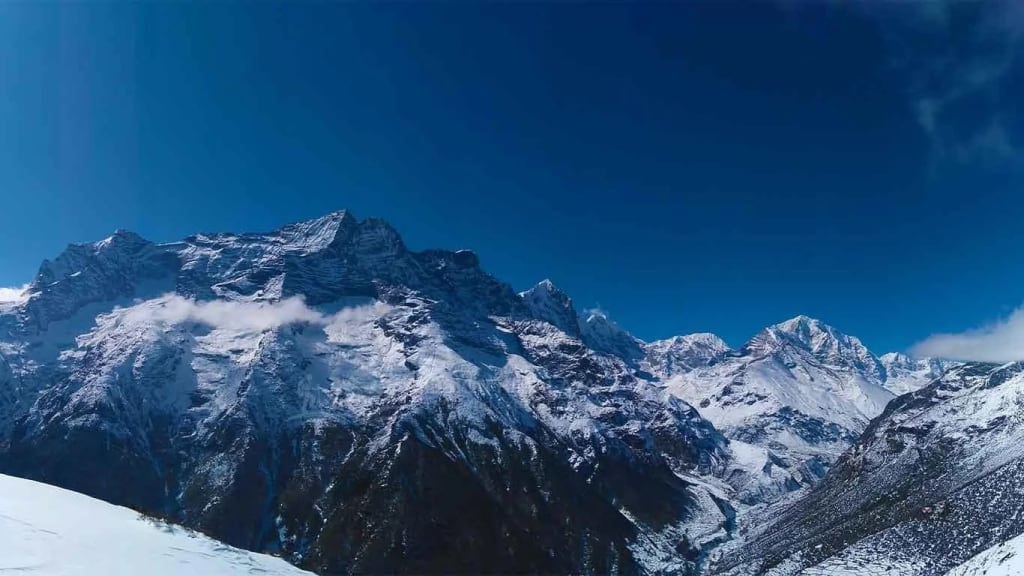
Island Peak, also called Imja Tse, is a famous mountain in Nepal. It is very tall, reaching 6,189 meters (20,305 feet). Climbers love it because they get to have a great adventure and see beautiful views of some of the highest mountains in the world. The mountain looks like an island because it stands alone surrounded by big glaciers and snow. From the top, you can see many other tall mountains, including Mount Everest. People first climbed Island Peak in 1953 with a team from Britain. Since then, many adventurers choose Island Peak to try climbing in the Himalayas.
Climbing Island Peak is a good way for beginners to learn how to climb high mountains safely. The journey also takes you through pretty villages and nature, so it is fun and exciting. Many people who climb Island Peak feel proud and happy when they reach the top.
The Route and Distance
Island peak climbing typically begins with a trek through the Everest Base Camp trail. The usual journey from Lukla, the starting point, to the base of Island Peak at Chhukung takes about 7 to 9 days. The distance covered during the trek is roughly 70 kilometers (43 miles) one way. From Chhukung, climbers prepare for the final push to the summit, which usually takes 2 days.
The entire expedition, including acclimatization and climbing days, spans around 14 to 16 days. This schedule allows climbers to adjust to the high altitude gradually and avoid altitude sickness, which is crucial for a safe climb.
Preparing for the Climb
One of the most important parts of island peak climbing is acclimatization. The climb reaches high altitudes where the air is thin, so your body needs time to adjust. Many trekkers spend a day or two at places like Namche Bazaar (3,440 m) and Dingboche (4,360 m) to help their bodies get used to the lower oxygen levels.
Good physical fitness is also essential. The trek to Island Peak base camp involves walking long days through rugged terrain, sometimes crossing glaciers and rocky paths. Climbing the peak requires basic mountaineering skills like using crampons and an ice axe. Many guided trips include a short training session on these techniques before the summit attempt.
The Climbing Experience
The summit day is the most challenging but rewarding part of island peak climbing. Starting in the early hours before sunrise, climbers ascend steep ice and snow slopes. The route involves crossing a glacier and navigating fixed ropes, which makes the climb both thrilling and safe under guidance.
At 6,189 meters, the summit offers spectacular panoramic views. To the north, you can see Mount Everest standing tall at 8,848 meters (29,029 feet). Other nearby giants like Lhotse (8,516 m), Nuptse (7,861 m), and Ama Dablam (6,812 m) also surround you, creating an unforgettable mountain theater.
Unique Moments on Island Peak
One unique part of island peak climbing is reaching the summit ridge, where the mountain dramatically narrows. The final steps require focus and courage, but the feeling of standing above the clouds and glaciers makes every effort worthwhile. Many climbers describe this moment as humbling and life-changing.
The journey also passes through Sherpa villages, where warm hospitality and rich culture add a special touch to the adventure. Visiting monasteries and seeing prayer flags fluttering in the wind remind climbers of the deep spiritual connection the locals have with these mountains.
Safety and Challenges
Like all high-altitude climbs, island peak climbing comes with risks. Weather conditions can change quickly, bringing strong winds and snowstorms. Proper gear, a good guide, and respecting the mountain’s power are essential for safety.
Altitude sickness is the biggest concern, but the gradual acclimatization schedule helps reduce this risk. Listening to your body and not rushing the climb are important. Many groups carry oxygen and medical supplies just in case.
Why Choose Island Peak?
Island peak climbing is ideal for those wanting a taste of Himalayan mountaineering without the technical difficulties of higher peaks. It’s a step beyond trekking, offering hands-on climbing experience and the thrill of reaching a 6,000-meter summit.
The peak’s accessibility and the beauty of the surrounding landscapes make it a top choice. It blends physical challenge with natural wonder, giving climbers a chance to connect deeply with the Himalayas.
Final Thoughts
Island peak climbing is more than just a physical journey—it’s an emotional and spiritual adventure. It invites you to push your limits and experience the majestic beauty of the Everest region up close. The combination of challenging climbs, rich culture, and stunning mountain views creates an expedition that many climbers remember for a lifetime.
For anyone ready to step into the world of high-altitude mountaineering, Island Peak offers a rewarding and unforgettable experience. Whether you’re an experienced trekker or a beginner looking to climb your first Himalayan peak, Island Peak is an excellent choice to embrace the wild and wonderful spirit of Nepal’s mountains.
About the Creator
Reader insights
Outstanding
Excellent work. Looking forward to reading more!
Top insight
On-point and relevant
Writing reflected the title & theme
Keep reading
More stories from Alice Jenkins and writers in Journal and other communities.
Everest Three High Pass Trek: A Journey Through the Roof of the World
I can still feel the crunch of snow under my boots and the wind cutting across my face as we stood on top of Renjo La Pass, gazing at a horizon dominated by some of the tallest mountains on Earth. The Everest Three High Pass trek had always seemed like a distant dream—a path for the bold and the brave. But here we were, having crossed three major Himalayan passes and experienced the wild heart of Nepal.
By Alice Jenkins7 months ago in Journal
The world order likes to introduce itself as a set of principles.
From 2010 to 2025, that tension between military dominance and national interest did not fade. It became the soundtrack. Every headline felt like a reminder that power still matters, but power now travels in new forms: data, supply chains, energy routes, sanctions, alliances, debt, and the quiet leverage of who controls the platforms where money and information move.
By Sayed Zewayed2 days ago in Journal



Comments
There are no comments for this story
Be the first to respond and start the conversation.