
Indoor vs. Outdoor Kiosk Machines: Which One Is Right for You?
Indoor kiosk machines are designed to operate within controlled environments such as malls, hospitals, retail stores, airports, restaurants, and government offices.
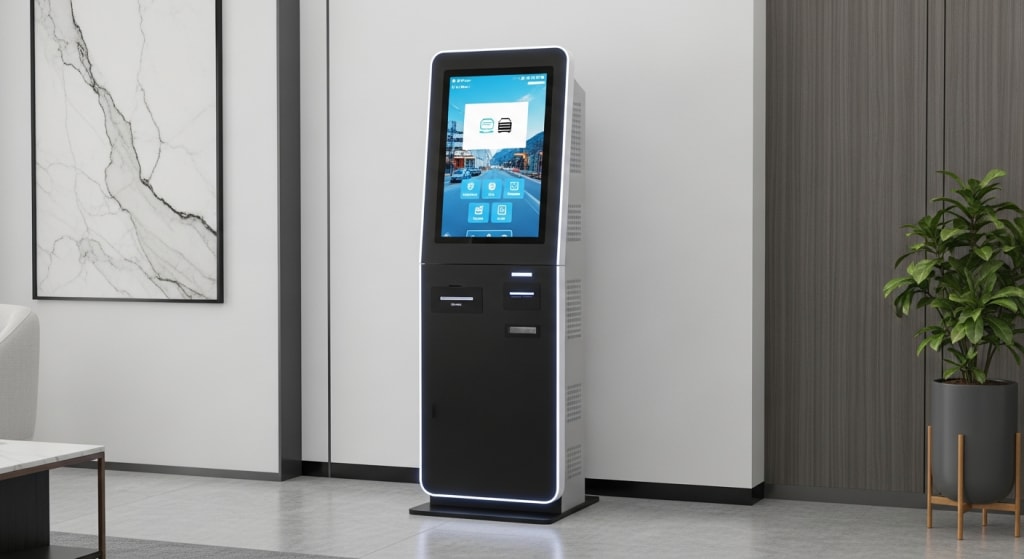
Modern businesses rely heavily on technology that improves customer experience, reduces operational load, and delivers seamless service. Among these innovations, the kiosk machine has become a vital tool across industries—from retail and transportation to entertainment and government services. But choosing the right type of kiosk can be challenging, especially when deciding between indoor and outdoor models. Each has its purpose, features, and ideal use cases. Understanding these differences ensures your investment aligns with your operational needs.
Whether you’re setting up a ticketing kiosk, information booth, ordering station, or payment solution, selecting the appropriate environment-specific kiosk machine is crucial. Let’s explore the major factors, trends, and business cases that help determine which kiosk option is right for you.
Understanding Indoor Kiosk Machines
Indoor kiosk machines are designed to operate within controlled environments such as malls, hospitals, retail stores, airports, restaurants, and government offices. They are optimized for user comfort and high engagement in busy, structured environments.
Key Features of Indoor Kiosks
Sleek and Compact Designs
Indoor kiosks typically focus on aesthetics. They come with slim profiles, sleek finishes, and modern touchscreens that easily integrate with indoor interiors.
Standard Display Brightness
Since they operate away from direct sunlight, indoor kiosks use standard or medium-brightness screens, ensuring clear visibility at a lower energy consumption rate.
Wide Range of Applications
Ticketing kiosk systems for cinemas and theme parks
Self-ordering kiosks for restaurants
Check-in kiosks for clinics and airports
Wayfinding and information kiosks
Lower Cost and Maintenance
Indoor units generally require less ruggedization and are easier to service, making them more budget-friendly for many businesses.
Advantages of Indoor Kiosks
Cost-effective
Easy to install and maintain
Visually appealing designs
Suitable for controlled foot traffic
Wide customization options
If your business operates indoors and aims to optimize customer flow, an indoor kiosk machine delivers the ideal balance of functionality and cost.
Understanding Outdoor Kiosk Machines
Outdoor kiosks are engineered for environments where weather conditions, temperature fluctuations, and security risks are high. These machines are built tough to ensure round-the-clock functionality despite environmental challenges.
Key Features of Outdoor Kiosks
Weatherproof and Rugged Construction
Outdoor kiosks are made using industrial-grade materials resistant to rain, dust, heat, humidity, and even vandalism.
High-Brightness, Anti-Glare Displays
These screens deliver excellent visibility under bright sunlight or dim evening conditions.
Temperature Regulation Systems
Built-in cooling fans, heaters, and insulation maintain optimal performance in extreme weather.
Heavy-Duty Security
Reinforced steel enclosures, tamper-proof locks, and advanced hardware ensure safety against theft or misuse.
Advantages of Outdoor Kiosks
Operate 24/7 in harsh weather
Excellent visibility in outdoor light
High durability and long lifespan
Ideal for high-traffic public areas
Outdoor kiosk machines suit businesses that operate in open-air environments or require round-the-clock accessibility.
Which One Is Right for Your Business?
Choosing between an indoor and outdoor kiosk machine depends on several key factors:
1. Location and Foot Traffic
Indoor kiosks are ideal for controlled, predictable environments where customers come with a defined purpose—shopping, dining, checking in, or gathering information.
Outdoor kiosks work best in open public spaces such as streets, transport hubs, parking lots, stadiums, or sidewalks.
Tip: If customers need access even after business hours, an outdoor model may be more suitable.
2. Business Purpose
Evaluate the primary function of your kiosk machine:
Ticketing kiosk in a cinema → Indoor
Ticketing or payment kiosk in a theme park or parking lot → Outdoor
Restaurant self-ordering → Indoor
Self-service check-in at a stadium entrance → Outdoor
Match the kiosk’s function to the environment where it will operate.
3. Budget and Long-Term ROI
Indoor kiosks are more budget-friendly upfront, while outdoor kiosks require higher initial investment due to ruggedization.
However, the long-term ROI differs:
Indoor kiosks → Lower maintenance + lower hardware cost
Outdoor kiosks → Higher durability + 24/7 accessibility + revenue from extended service hours
Choose based on expected usage and long-term business goals.
4. Hardware Requirements
Outdoor kiosks typically require:
Weather-sealed cabinets
High-brightness displays
Reinforced hardware
Temperature control systems
Indoor units need:
Standard touchscreens
Lightweight enclosures
Basic ventilation
Understanding your hardware requirements helps make the right selection.
Conclusion
Both indoor and outdoor kiosk machines play a crucial role in modern customer service and automation strategies. Indoor kiosks offer flexibility, cost-effectiveness, and aesthetic appeal, while outdoor kiosks provide durability, visibility, and uninterrupted performance in challenging environments.
For businesses deploying a ticketing kiosk, payment kiosk, or self-service solution, the decision ultimately depends on where customers interact with your service. By evaluating your location, weather exposure, traffic levels, and long-term ROI, you can confidently choose the kiosk machine that aligns with your operational needs and enhances your customer experience.
About the Creator
Keep reading
More stories from Athulya Ns and writers in Journal and other communities.
Integrating Payment Kiosks with Digital Wallets and Banking Systems
The digital revolution is reshaping how we pay, bank, and manage money. As consumers shift toward cashless transactions, businesses are adopting innovative technologies to stay ahead of expectations. One of the most transformative advancements in this space is the integration of payment kiosks with digital wallets and banking systems.
By Athulya Ns2 months ago in Journal
Why Prayer is Central to Catholic Life and How to Deepen It
Prayer is at the heart of Catholic life. It is the way believers communicate with God, express their faith, seek guidance, and grow in holiness. Prayer is not merely a ritual or obligation, but a living relationship with God. Understanding why prayer is central to Catholic life and how to deepen it can help believers experience spiritual growth, peace, and a stronger connection to Christ.
By Sound and Spirit4 days ago in Journal


Comments
There are no comments for this story
Be the first to respond and start the conversation.