
Integrating Payment Kiosks with Digital Wallets and Banking Systems
The Future of Financial Transactions with Smart Kiosks

The digital revolution is reshaping how we pay, bank, and manage money. As consumers shift toward cashless transactions, businesses are adopting innovative technologies to stay ahead of expectations. One of the most transformative advancements in this space is the integration of payment kiosks with digital wallets and banking systems.
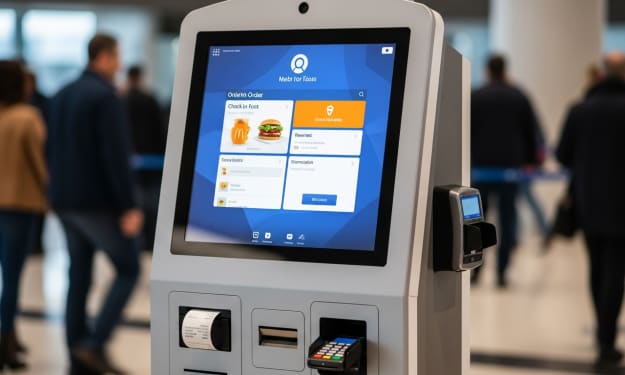
These intelligent kiosk machines are bridging the gap between physical and digital financial services, offering users convenience, speed, and security. From urban centers to rural areas, payment kiosks are enabling seamless transactions, making financial services more inclusive than ever before.
1. The Evolution of Payment Kiosks in the Digital Era
In the early days, payment kiosks were primarily used for basic bill payments or mobile recharges. However, in 2025, the role of these systems has expanded significantly. With smart integrations and digital banking APIs, modern kiosks now support a wide range of services including fund transfers, QR payments, account deposits, insurance renewals, and even cryptocurrency transactions.
A kiosk machine equipped with advanced software and connectivity can now interact directly with banks and e-wallet platforms, enabling users to perform multiple financial tasks without human intervention. This evolution marks a crucial step toward building a cashless and connected economy.
2. Bridging the Gap Between Digital Wallets and Traditional Banking
One of the most powerful benefits of integrating payment kiosks with digital wallets and banking systems is their ability to unify digital and physical transactions. While digital wallets such as Google Pay, Paytm, or Apple Pay make online payments easy, many consumers still rely on physical cash for daily needs.
A kiosk machine bridges this divide by allowing users to deposit cash into their digital wallets or withdraw funds from bank-linked accounts. For instance, a user can walk up to a payment kiosk, deposit cash, and instantly see the amount reflected in their digital wallet balance. Similarly, they can transfer money from a wallet to a bank account, pay utility bills, or even make loan repayments.
This seamless flow of funds between digital and banking platforms not only enhances convenience but also promotes financial inclusion—especially in regions where traditional banking infrastructure is limited.
3. Enhancing Financial Accessibility and Inclusion
One of the most significant impacts of payment kiosks lies in their role in financial inclusion. In developing economies, millions of people remain unbanked or underbanked due to lack of access to physical bank branches. Smart kiosk machines are changing that.
By integrating with banking systems and digital wallets, these kiosks allow users to perform essential transactions such as opening bank accounts, checking balances, and transferring money—all in their preferred language and without the need for a smartphone. This accessibility empowers individuals in rural and remote areas to become active participants in the digital economy.
Moreover, businesses and government institutions can deploy payment kiosks in strategic locations—such as community centers, malls, or transportation hubs—to ensure round-the-clock access to essential financial services.
4. Convenience and Real-Time Transactions
The modern consumer expects instant results—and payment kiosks deliver just that. Through integration with digital wallets and banking systems, transactions are processed in real-time. Whether it’s topping up a wallet, paying a credit card bill, or transferring funds, users receive instant confirmations.
This immediacy builds trust and reliability. For example, commuters can use kiosk machines in metro stations to recharge travel cards via wallet payments, while shoppers can use payment kiosks in retail outlets to pay utility bills or renew subscriptions within seconds.
By minimizing waiting times and providing multiple payment options, integrated kiosks enhance customer satisfaction and operational efficiency for businesses.
5. Strengthening Security Through Smart Integration
Security has always been a primary concern in financial transactions. Fortunately, modern kiosk machines are built with advanced security protocols such as biometric verification, encrypted transactions, and two-factor authentication.
When integrated with banking systems and digital wallets, these kiosks ensure end-to-end encryption, minimizing risks of fraud and data breaches. Many payment kiosks also come equipped with secure payment gateways, AI-based fraud detection, and compliance with global standards like PCI DSS (Payment Card Industry Data Security Standard).
This level of protection reassures users that their financial information and transactions remain safe, even in public environments.
6. Simplifying Business Operations and Payments
For businesses, the integration of payment kiosks with digital payment systems translates into operational efficiency. Retailers, utility companies, and service providers can automate their billing and collection processes, reducing manual workload and human error.
For instance, utility companies can deploy kiosk machines that accept payments via cards, QR codes, or digital wallets. Customers can simply scan their bill, choose a payment method, and complete the transaction instantly. Businesses, in turn, receive real-time updates and reconciliation reports through integrated banking systems—making accounting faster and more accurate.
7. The Role of APIs and Cloud Integration
The success of this integration lies in the technology behind it—particularly APIs (Application Programming Interfaces) and cloud computing. These tools allow payment kiosks to connect seamlessly with digital wallet providers, core banking systems, and payment gateways.
Through cloud integration, financial data is updated in real-time across all connected platforms, ensuring transparency and efficiency. Additionally, businesses can monitor kiosk performance, transaction data, and service uptime remotely, making maintenance and analytics more efficient.
8. The Future of Financial Transactions with Smart Kiosks
As AI, IoT, and blockchain continue to evolve, the future of payment kiosks looks even more promising. We can expect kiosk machines capable of facial recognition, voice-assisted transactions, and AI-driven financial advice.
Furthermore, integration with blockchain-based payment systems will bring greater transparency and reduced transaction costs. Governments and banks may also leverage these systems for public service payments, subsidies, and financial education initiatives.
The fusion of payment kiosks, digital wallets, and banking systems represents a step toward a smarter, more inclusive financial ecosystem—where convenience, security, and connectivity coexist seamlessly.
Conclusion
The integration of payment kiosks with digital wallets and banking systems is redefining financial accessibility in 2025. These smart kiosk machines are not just payment tools—they are the backbone of a connected financial infrastructure that empowers consumers and streamlines business operations.
By bridging the digital and physical worlds, payment kiosks make financial services more accessible, secure, and efficient. As the world continues to embrace cashless transactions, investing in intelligent kiosk technology is no longer optional—it’s essential for any organization looking to stay relevant in the modern financial landscape.
About the Creator
Keep reading
More stories from Athulya Ns and writers in Journal and other communities.
From Voice to Touch: Evolution of Ordering with the McDonald’s Drive Thru Kiosk
For decades, the McDonald’s drive-thru has been a symbol of speed and convenience, allowing customers to place orders through a speaker system without leaving their vehicles. While this voice-based model served millions efficiently, changing consumer expectations and rapid advancements in technology demanded a smarter, more accurate solution. This shift has led to the evolution of the McDonald’s Drive Thru kiosk, marking a major milestone in how quick-service restaurants use the kiosk machine to enhance customer experience.
By Athulya Ns7 days ago in Journal
The goals I did not achieve
Every writing goal I made for the year is a wash. It has been this way for a while, but I think it's important to be open about my failures and the reality of how life can get in the way. This is especially true considering the several times I have posted on Vocal about my writing goals, how I was changing my approach, and where I was hoping to be for the upcoming year. I will probably do that again in a couple months, but for now, it is time to acknowledge where I am today.
By Kay Husnick16 days ago in Journal
Trump Administration Visa Bonds Explained: Why This Policy Is Trending and Who It Affects Most
The phrase “Trump administration visa bonds” has suddenly surged on Google search trends, and it’s not by accident. In early 2026, the U.S. government expanded a controversial immigration policy that requires citizens of certain countries to pay visa bonds of up to $15,000 before receiving temporary U.S. visas. This decision has sparked global debate, driven massive online searches, and raised serious questions about travel access, fairness, and U.S. immigration strategy.
By Waqar Khan6 days ago in Journal
If You Love Me, You'll Do It
I met Jason when I was five years old. I could say that I loved him from the moment I saw him. He was so handsome to me and I felt in awe by his presence. When they introduced him as the new kid in school, I wanted to be his friend right away. I remember it like it was yesterday. I remember his smile and how he didn't seem shy. He appeared confident and ready to learn. I waved at him and said "hello," before anyone else could even say a word. He sat next to me, and I asked him if he wanted to be friends. He looked so happy as he said, "Yes!"
By Sidney Smith (Sid Smith)6 days ago in Fiction


Comments
There are no comments for this story
Be the first to respond and start the conversation.