
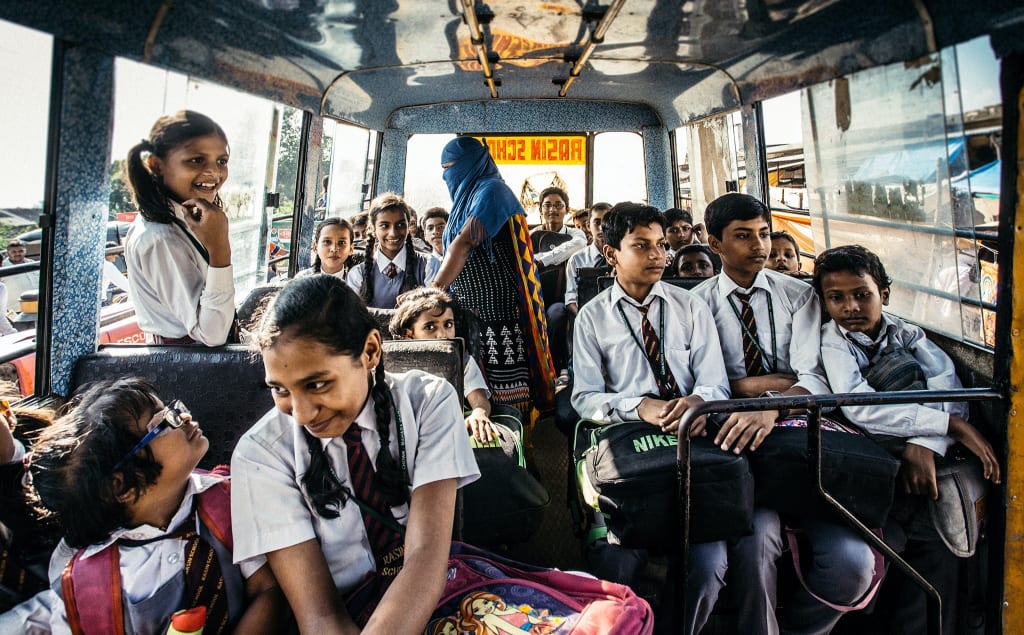
India is a vast and diverse subcontinent located in South Asia, bounded by the Himalayas in the north and the Indian Ocean in the south. It is the second-most populous country in the world with over 1.3 billion people and is home to a wide range of ethnic groups, languages, religions, and cultures.
India has a rich and fascinating history that dates back over 5,000 years. It has been ruled by many powerful empires and kingdoms, including the Maurya, Gupta, Mughal, and British Empires. These different ruling powers have left their mark on Indian culture, architecture, and traditions.
India is home to a diverse array of languages, with over 19,500 different languages spoken throughout the country. The official language of India is Hindi, although English is also widely spoken and understood. Other major languages spoken in India include Bengali, Telugu, Marathi, Tamil, and Urdu.
Religion plays an important role in Indian society, with the majority of the population being Hindu. Other major religions practiced in India include Islam, Christianity, Sikhism, Buddhism, and Jainism. Each religion has its own unique traditions, customs, and beliefs, which contribute to the rich cultural tapestry of India.
India is home to a plethora of historical places, each one more fascinating and intriguing than the other. These places are a testament to the country's rich and diverse history, and offer visitors a glimpse into the past. Here are some of the most popular historical places in India:
Taj Mahal - The Taj Mahal is one of the most famous historical places in India, and is located in Agra. Built in the 17th century by Mughal Emperor Shah Jahan in memory of his beloved wife Mumtaz Mahal, it is a stunning white marble mausoleum that is considered to be one of the greatest examples of Mughal architecture.
Red Fort - The Red Fort is located in Old Delhi and was built in the 17th century by Mughal Emperor Shah Jahan. It served as the residence of the Mughal emperors for almost 200 years and is now a UNESCO World Heritage Site.
Fatehpur Sikri - Fatehpur Sikri is a city located near Agra that was built by Mughal Emperor Akbar in the 16th century. It served as the capital of the Mughal Empire for a brief period, and is now a UNESCO World Heritage Site.
Hampi - Hampi is an ancient city located in Karnataka, and was once the capital of the Vijayanagara Empire. It is now a UNESCO World Heritage Site, and is home to numerous temples, palaces, and other structures.
Khajuraho - Khajuraho is a group of temples located in Madhya Pradesh that were built between the 10th and 12th centuries. These temples are known for their intricate carvings and sculptures, and are a UNESCO World Heritage Site.
Ajanta and Ellora Caves - The Ajanta and Ellora Caves are located in Maharashtra and are a UNESCO World Heritage Site. These caves are known for their beautiful rock-cut temples and ancient paintings.
Konark Sun Temple - The Konark Sun Temple is located in Odisha and was built in the 13th century. It is a UNESCO World Heritage Site, and is known for its unique architecture and intricate carvings.
Qutub Minar - The Qutub Minar is located in Delhi and was built in the 12th century. It is a UNESCO World Heritage Site, and is the tallest brick minaret in the world.
Amer Fort - The Amer Fort is located in Jaipur and was built in the 16th century by Raja Man Singh I. It is known for its stunning architecture and intricate carvings.
Sanchi Stupa - The Sanchi Stupa is located in Madhya Pradesh and was built in the 3rd century BC. It is a UNESCO World Heritage Site, and is known for its ancient Buddhist architecture and sculptures.
India is also famous for its cuisine, which is known for its bold flavors, spices, and diverse regional specialties. Some popular Indian dishes include biryani, tikka masala, dosa, samosas, and chaat. Indian cuisine is also heavily influenced by religious and cultural traditions, with many vegetarian and non-vegetarian options available.
India has made significant strides in recent years in terms of economic growth and development. It is currently the world's sixth-largest economy and is projected to become the third-largest economy by 2030. India's major industries include agriculture, textiles, and manufacturing, with the technology sector also emerging as a major player in the country's economy.
Despite its economic growth, India still faces many challenges, including poverty, income inequality, and inadequate access to basic healthcare and education. The Indian government has implemented various social welfare programs to address these issues, but there is still much work to be done to ensure that all citizens have access to a decent standard of living.
India is also home to a thriving film industry, commonly referred to as Bollywood. Bollywood films are known for their vibrant song and dance numbers, dramatic storylines, and colorful costumes. Bollywood has gained a global following and has become an important cultural export for India.
In conclusion, India is a diverse and fascinating subcontinent with a rich history, culture, and traditions. Its cuisine, architecture, and art are renowned around the world, and its film industry has captivated audiences across the globe. While India faces many challenges, it has made significant progress in recent years in terms of economic growth and development. As India continues to evolve and grow, it will undoubtedly continue to captivate and inspire people around the world.
About the Creator
The Quiet Link Between Evening Light and Restless Sleep
For a long time, I believed my restless sleep was caused by what happened in my head. Too much thinking. Too much stress. Too many unfinished thoughts that followed me into the night. I tried calming routines, earlier bedtimes, and stricter boundaries around work. Some nights improved. Many did not.
By illumipure5 days ago in Journal




Comments (2)
HI
NICE