
India-Pakistan War
A Historical and Political Perspective

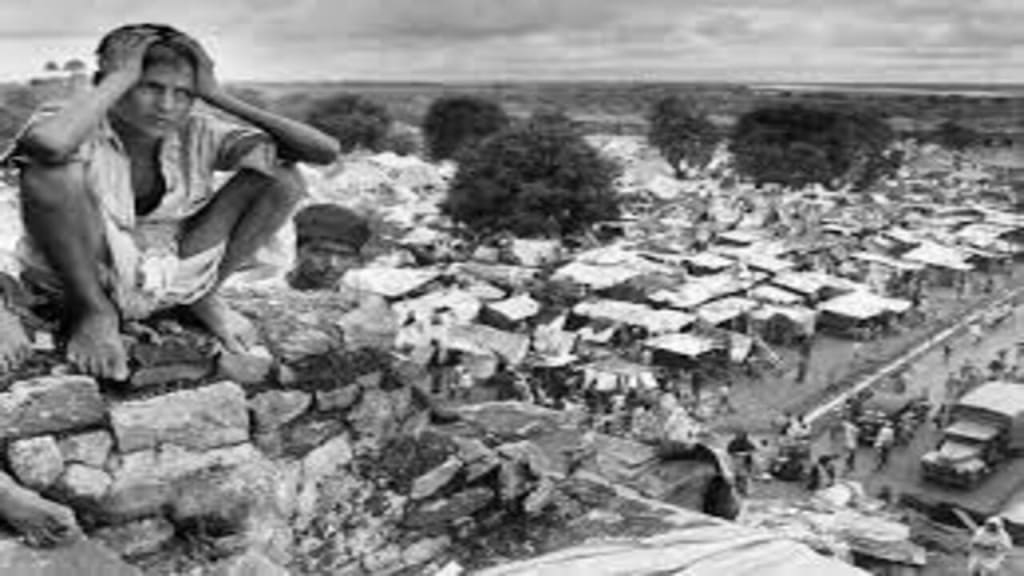
The India-Pakistan War is a series of conflicts that have taken place between India and Pakistan since the partition of India in 1947. The conflict has its roots in the territorial disputes that arose during the partition, and it has been fueled by political, economic, and ideological differences between the two countries. In this article, we will take a closer look at the India-Pakistan War, its causes, consequences, and impact on the region.
Causes of the Conflict
The India-Pakistan War has its roots in the partition of India, which led to the creation of India and Pakistan as two separate countries. The partition was marked by violence, communal riots, and displacement of millions of people, and it left deep scars on the psyche of both countries. The conflict over the disputed territory of Kashmir, which was divided between India and Pakistan, became a major source of tension between the two countries.
The first India-Pakistan War took place in 1947-48, shortly after the partition of India, when Pakistan invaded the state of Jammu and Kashmir. The war resulted in the division of Kashmir, with India gaining control of the majority of the territory, and Pakistan gaining control of a smaller portion. The second India-Pakistan War took place in 1965, when Pakistan launched an attack on India in an attempt to take control of Kashmir. The war ended in a stalemate, with both countries claiming victory.
The third India-Pakistan War took place in 1971, when India intervened in the Bangladesh Liberation War, which was a conflict between East Pakistan (now Bangladesh) and West Pakistan. India's intervention led to the creation of Bangladesh as an independent country, and it marked a major turning point in the history of the region.
Consequences of the Conflict
The India-Pakistan War has had far-reaching consequences for the region, including loss of lives, displacement of people, economic and political instability, and deepening of the mistrust and animosity between the two countries. The conflicts have also had a profound impact on the social, cultural, and religious fabric of the region, and have contributed to the rise of religious extremism and terrorism.
The war has also had significant economic consequences for both countries. The cost of maintaining large armies and investing in military technology has led to a drain on the resources of both countries, and has hindered their economic growth and development. The conflict has also led to the disruption of trade and commerce between the two countries, which has further exacerbated their economic problems.
Impact on the Region
The India-Pakistan War has had a significant impact on the political and social landscape of the region. The conflict has fueled the rise of nationalism and religious extremism in both countries, and has contributed to the deepening of the sectarian divide between Hindus and Muslims. The conflict has also led to the proliferation of nuclear weapons in the region, which has increased the risk of a nuclear war.
The India-Pakistan War has also had a significant impact on the regional balance of power. The conflict has led to the emergence of China as a major player in the region, as both India and Pakistan have sought Chinese support in their respective conflicts. The conflict has also led to the increasing involvement of the United States in the region, as it has sought to mediate and broker peace between the two countries.
Conclusion
In conclusion, the India-Pakistan War is a complex and multifaceted conflict that has its roots in the partition of India and the territorial disputes that arose during that period. The conflict has had far-reaching consequences for the region, including loss of lives, displacement of people, economic and political instability, and deepening of the mistrust and animosity between the two countries. The conflict has also had a significant impact on the political and social landscape of
About the Creator
Reader insights
Outstanding
Excellent work. Looking forward to reading more!
Top insights
Compelling and original writing
Creative use of language & vocab
Easy to read and follow
Well-structured & engaging content
Masterful proofreading
Zero grammar & spelling mistakes
Keep reading
More stories from Inzamam mohamed and writers in Journal and other communities.
Ram Sadhu Bridge
Ram Sadhu Bridge, also known as the Mahatma Gandhi Satu, is a bridge that spans the River Ganges in the northern Indian state of Bihar. The bridge is an iconic landmark in the region, and it has played an important role in connecting different parts of the state and facilitating economic growth and development. In this article, we will take a closer look at the Ram Sadhu Bridge and its significance in the region.
By Inzamam mohamed3 years ago in Journal
What are the top strategies for insurance compliance management in 2026?
Many insurers still rely on fragmented processes, manual reviews, and reactive controls; approaches that create blind spots, slow response times, and expose the business to regulatory and reputational risk. At the same time, digital distribution, AI-driven decision-making, and growing volumes of customer data are reshaping how insurance products are built, sold, and serviced.
By Fusion Business Solution P Limitedabout 19 hours ago in Journal
Silver Screen Magic with Mae West
American actress and singer Mae West became a popular film actress during the Great Depression. She started entertaining in vaudeville, then performed on Broadway, and finally went to Hollywood. She signed up with Paramount Pictures and made her debut in the 1932 film “Night After Night.” She also starred in musicals, comedies, and crime dramas. The American Film Institute named her one of the best classic Hollywood actresses.
By Rasma Raisters6 days ago in Geeks


Comments (1)
gvhytjgvjhbvh