
If India and Pakistan Go to War: The Potential Impacts on Bangladesh
India-Pakistan War
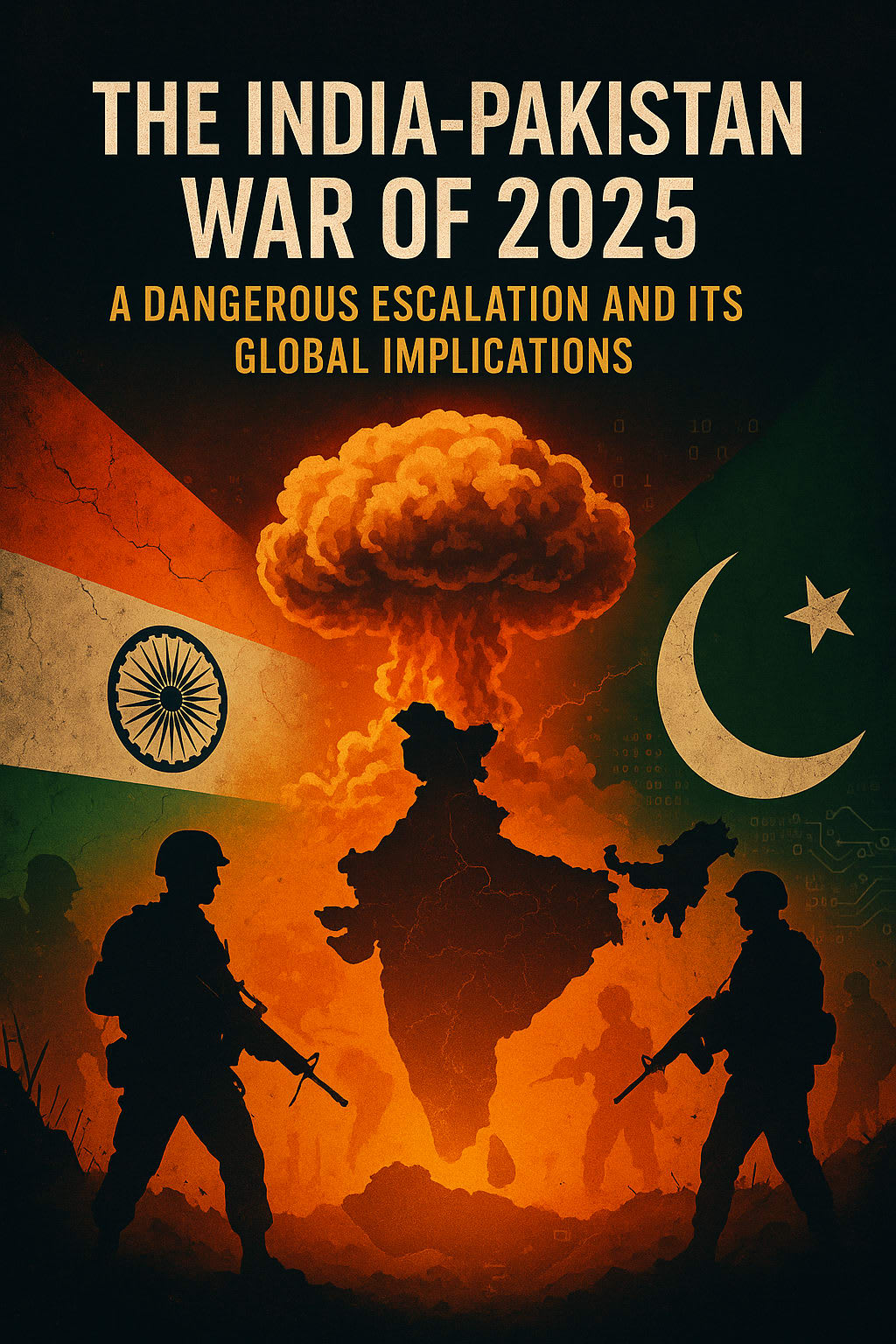
India and Pakistan have a long and turbulent history, marked by political tensions, military conflicts, and unresolved territorial disputes, particularly over Kashmir. If these two nuclear-armed neighbors were to go to war again, the consequences would not be confined to their borders alone. Bangladesh, as a South Asian country with strong geopolitical and economic ties to both, would undoubtedly be affected. This report explores the potential disadvantages and advantages that Bangladesh might face if India and Pakistan go to war.
Disadvantages for Bangladesh
Regional Instability
A war between India and Pakistan would create widespread instability across South Asia. Bangladesh, sharing a long border with India, would be directly exposed to the fallout. Political unrest, heightened military presence near borders, and the disruption of regional peace would pose serious challenges to Bangladesh’s national security and development.
Economic Disruptions
Bangladesh's economy is closely tied to India, especially through trade and transit agreements. War in the region could lead to the closure of land routes, delays in imports and exports, and increased transportation costs. Additionally, the war could weaken investor confidence in the region, affecting foreign direct investment (FDI) in Bangladesh.
Refugee Influx
In the event of war, particularly near the India-Bangladesh border regions, a large number of civilians might try to flee the conflict areas and seek shelter in Bangladesh. The country has previously experienced a refugee crisis during the 1947 Partition and the 1971 Liberation War. A new wave of refugees would strain Bangladesh's already limited resources, healthcare, and infrastructure.
Security Concerns and Terrorism
A conflict between India and Pakistan could lead to an increase in terrorism and extremist activity across the region. Radical groups might use the chaos as an opportunity to expand their operations. Bangladesh could face increased risks of cross-border terrorism or infiltration by militant groups seeking to destabilize the country.
Supply Chain and Energy Disruptions
Much of Bangladesh’s imports—including fuel, food, and industrial materials—pass through Indian transit routes or ports. A war would disrupt these routes, leading to supply shortages and price hikes. Moreover, any damage to Indian energy grids or oil refineries could have a ripple effect on energy supplies in Bangladesh, affecting both households and industries.
Impact on Regional Cooperation
Regional platforms like SAARC (South Asian Association for Regional Cooperation) and BIMSTEC could become dysfunctional due to the conflict. Diplomatic engagements and regional development programs would stall, isolating Bangladesh from regional cooperation and benefits.
Advantages for Bangladesh
Despite the serious risks, there could be a few strategic or economic advantages for Bangladesh in such a scenario, though these are speculative and depend on how the country positions itself.
Geopolitical Importance Could Increase
In times of regional crisis, smaller but stable countries often gain strategic importance. Bangladesh could emerge as a key diplomatic player or mediator in peace talks, increasing its international visibility and diplomatic capital.
Economic Opportunities in Specific Sectors
If Indian and Pakistani industries are disrupted by war, Bangladesh’s garment and textile sector could see increased orders from international buyers looking for stability and continuity. Bangladesh may also find new trade opportunities in markets previously dominated by India or Pakistan.
Foreign Aid and Strategic Partnerships
To ensure regional stability, international powers like the United States, China, and the European Union may increase aid and investment in Bangladesh as part of their strategic interests. This could benefit infrastructure, education, or defense sectors.
Defense and Security Upgrades
A nearby war would likely push Bangladesh to enhance its own defense systems, intelligence network, and border security. While this comes with a financial cost, it could also lead to long-term improvements in national defense preparedness and technology acquisition.
Diplomatic Leverage
If Bangladesh maintains a neutral but proactive diplomatic stance, it could act as a balancing force and gain favor from both Western powers and regional stakeholders. This could open doors for future alliances, trade agreements, or regional leadership roles.
Bangladesh’s Strategic Response Options
Maintaining Neutrality
Historically, Bangladesh has avoided taking sides in foreign conflicts. A carefully maintained neutrality would be crucial to prevent any diplomatic fallout with either India or Pakistan. This would also align with Bangladesh's foreign policy principle of “Friendship to all, malice towards none.”
Humanitarian Readiness
The government should prepare contingency plans for potential refugee inflows, including temporary shelter, healthcare, and international aid coordination.
Trade Diversification
Reducing dependence on Indian routes and exploring alternative trade corridors (such as through China or Southeast Asia) could reduce vulnerability in times of regional crisis.
Boosting Intelligence and Counter-Terrorism
Enhancing internal security, intelligence sharing, and counter-terrorism initiatives would be essential to prevent extremist elements from exploiting the chaos of war.
Active Diplomacy and Peace Promotion
Bangladesh should use international platforms such as the UN, OIC, and Commonwealth to call for peace and promote dialogue. This could enhance its global standing as a responsible, peace-loving nation.
Conclusion
A potential war between India and Pakistan would be a serious concern for Bangladesh. The disadvantages—ranging from economic disruption to refugee crises and security threats—would likely outweigh the benefits. However, with careful diplomacy, strategic planning, and international cooperation, Bangladesh could minimize the risks and even position itself for certain strategic gains. Peace and stability in South Asia remain the best scenario for all nations in the region, and Bangladesh must consistently advocate for dialogue over conflict.
About the Creator
Keep reading
More stories from Mubasshir Haque and writers in Journal and other communities.
"United States Calls for an End to India-Pakistan Conflict"
Rising Tensions Between India and Pakistan Raise Fears of War Tensions between India and Pakistan have sharply escalated following a deadly terrorist attack in Indian-administered Kashmir, with daily cross-border gunfire exchanges and growing military posturing from both sides. The developing situation has sparked international concern, with the United States urging both nations to exercise restraint and prevent a full-scale war.
By Mubasshir Haque 9 months ago in Journal
Which Tasks Benefit Most From a 1080p Desktop Monitor?
Screens guide how people work, learn, and relax every day. A clear screen reduces eye stress and keeps the mind fresh. Recent data show that 1920×1080 (Full HD) remains the most common desktop screen resolution worldwide, with a share of around 20 to 22 percent of all desktop displays in 2025.
By Gabriella Browne5 days ago in Journal
How, Too
Many people wonder how, too. You are not alone, and I am an expert. I will teach you how, too! First, you need to remit a small application fee and fill out an application describing the nature of your financial situation and how often payments will be made, as this will have great bearing on how well I teach you how, too.
By Harper Lewis4 days ago in Fiction



Comments
There are no comments for this story
Be the first to respond and start the conversation.