
HVAC Systems: Managing Temperature, Air Quality and Energy Efficiency in Buildings
HVAC stands for heating, ventilation, and air conditioning.
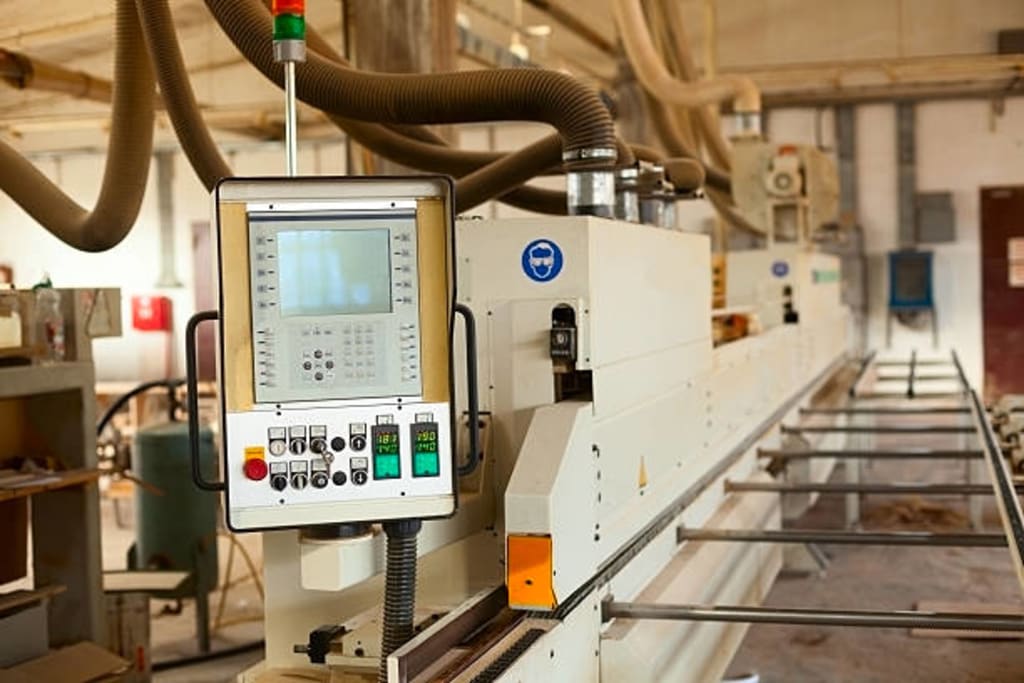
HVAC systems include various components such as thermostats, dampers, valves, sensors, and controllers that work together to maintain a comfortable indoor environment while also optimizing energy efficiency. Building Automation Systems (BAS) can also be integrated to provide remote monitoring and control, better decision making and improved building management.
How do HVAC control systems work?
HVAC control systems work by regulating the heating, ventilation, and air conditioning (HVAC) in a building to maintain a comfortable temperature and air quality inside the building. The system includes several components that work together to achieve this goal.
Sensors: These devices detect changes in temperature, humidity, and air quality, and send the data to the controllers.
Controllers: These devices process the data from the sensors and make decisions based on that data. They issue commands to the various devices in the system to control the operation of the HVAC system.
Actuators: These devices perform specific actions in response to commands from the controllers. For example, actuators may open or close dampers, valves, and motors to control the flow of air or water in the building.
Types of HVAC Controls
There are several types of HVAC controls that can be used to regulate the heating, ventilation, and air conditioning (HVAC) in a building. They include:
Thermostats: These devices are used to control the temperature in a building by regulating the operation of the HVAC system. They can be manual or automated, and can be programmable to set different temperatures at different times of the day.
Dampers: These devices are used to control the flow of air in a building's ductwork. They can be opened or closed to regulate the amount of air that is supplied to different areas of the building.
Valves: These devices are used to control the flow of water or other fluids in a building's HVAC system. They can be opened or closed to regulate the amount of fluid that is supplied to different parts of the system.
Zoning systems: These systems are used to divide a building into different zones, each with its own temperature and ventilation controls. This allows different areas of the building to be maintained at different temperatures, which can improve energy efficiency and comfort.
Benefits of HVAC Control Systems
HVAC control systems offer several benefits that can improve the comfort, energy efficiency, and overall performance of a building. These benefits include:
Energy efficiency: HVAC control systems can optimize the operation of the HVAC system to reduce energy consumption and costs. For example, by using occupancy sensors, the system can adjust the temperature when the room is unoccupied or by using a programmable thermostat to reduce energy consumption during unoccupied hours.
Improved indoor air quality: HVAC control systems can monitor and adjust the ventilation system to ensure that fresh air is supplied to the building, which can improve indoor air quality.
Increased comfort: HVAC control systems can maintain a comfortable temperature and air quality in a building, which can improve the overall comfort of the occupants.
conclusion
In conclusion, HVAC systems are an essential component of modern buildings, providing the necessary temperature, air quality, and humidity control to create a comfortable and healthy indoor environment. There are various types of HVAC controls available, each with its own unique features and benefits. From programmable thermostats and dampers to zoning systems and Building Automation Systems, these controls work together to optimize the performance of the HVAC system, reducing energy consumption and costs, while increasing comfort and indoor air quality. The proper design, installation, and maintenance of HVAC systems are crucial for achieving optimal performance and energy efficiency. With the right HVAC control system in place, building managers can rest assured that their building's environment is being managed effectively and efficiently.
About the Creator
Understanding the Saints: Models of Holiness for Today
Saints occupy a central place in Catholic spirituality. They are men and women who lived lives of extraordinary faith, virtue, and dedication to God. Catholics honor saints not as divine beings but as role models and intercessors who demonstrate how ordinary people can respond fully to God’s grace. Understanding why saints matter and how their example can inspire modern believers helps Catholics grow in holiness and live a faith-centered life.
By Sound and Spirit5 days ago in Journal


Comments
There are no comments for this story
Be the first to respond and start the conversation.