
HVAC Control Panels
HVAC are devices that regulate and control the temperature, humidity, & air quality in buildings
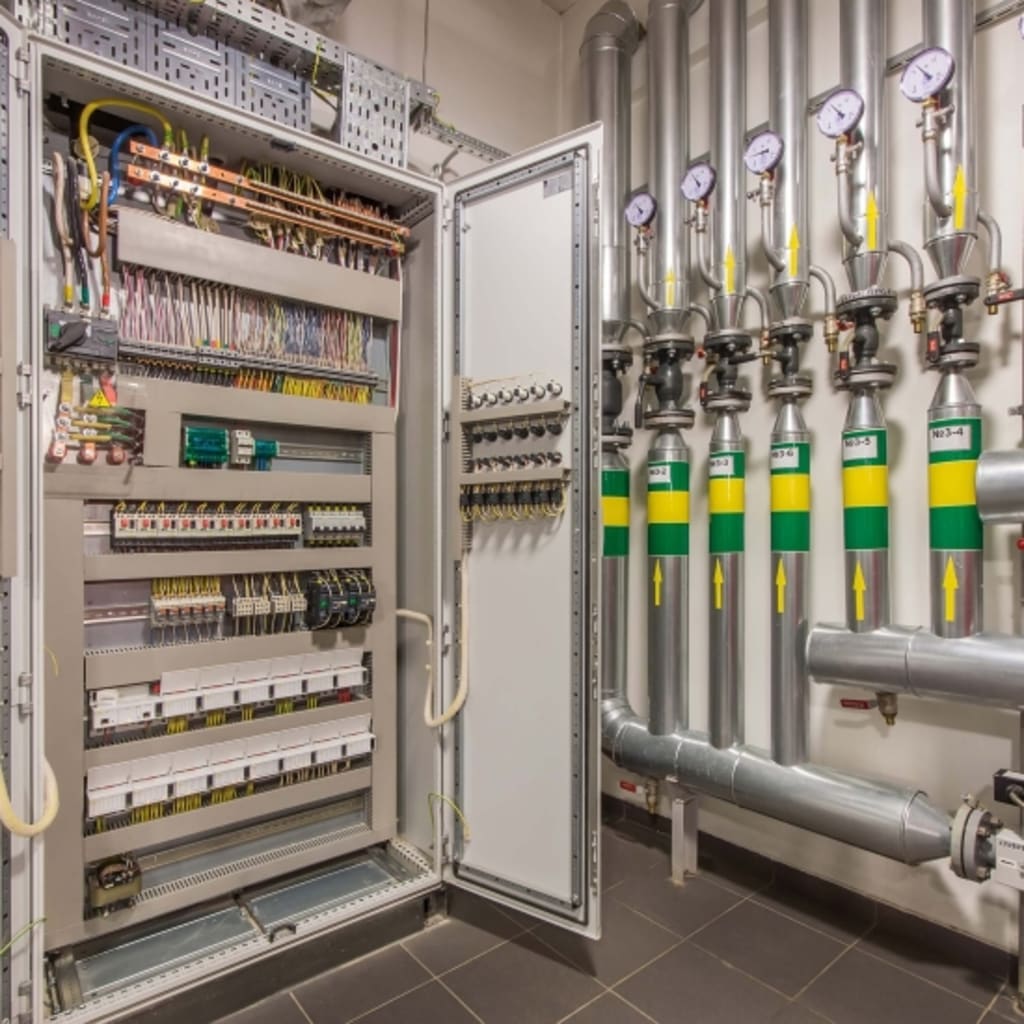
HVAC Controllers Information
HVAC (heating, ventilation, and air conditioning) controllers are devices that regulate and control the temperature, humidity, and air quality in buildings and vehicles. They are used in a wide range of settings, including homes, offices, hospitals, schools, and manufacturing facilities.
There are several different types of HVAC controllers available, each with its own set of features and capabilities. Some common types of HVAC controllers include:
Thermostats: These are the most basic type of HVAC controller. They allow users to set a desired temperature and then automatically turn the heating or cooling system on or off to maintain that temperature.
Programmable thermostats: These are similar to traditional thermostats, but they allow users to set different temperatures for different times of the day. This allows the HVAC system to be more energy efficient by turning off or reducing heating or cooling when the building is unoccupied.
Zone controllers: These controllers allow you to divide a building into different zones and set different temperatures for each zone. This is particularly useful in large buildings where different parts of the building may have different heating or cooling needs.
DDC (Direct Digital Control) systems: These are more advanced HVAC controllers that use sensors and computer algorithms to continuously monitor and adjust the HVAC system for optimal performance.
Building Automation System (BAS) : These is more advance version of HVAC control systems, also known as Building Management Systems (BMS), it have more capability such as controlling lighting, security, fire protection and more, also it can be integrated with other building systems.
HVAC controllers can be controlled through a variety of interfaces, including buttons, knobs, touch screens, and remote access via the internet. They can also be integrated with other building systems, such as lighting and security, to create a comprehensive building automation system.
The type of controller you choose will depend on the size and complexity of your HVAC system, as well as your budget and specific needs.
Features Of HVAC
Here are some common features that you might find in HVAC controllers:
Temperature control: The ability to set and maintain a desired temperature in a building or vehicle.
Humidity control: The ability to control the relative humidity in a building, which can help to improve air quality and comfort.
Scheduling: The ability to set different temperature and humidity levels for different times of the day, or for different days of the week.
Energy management: The ability to monitor and control energy consumption, such as turning off or reducing heating or cooling when the building is unoccupied.
Remote access: The ability to control the HVAC system remotely, either through a web interface or through a smartphone app.
Types Of HVAC
There are several types of HVAC controllers available on the market, each with its own set of features and capabilities. Here are some common types:
Thermostats: These are the most basic type of HVAC controller. They allow users to set a desired temperature and then automatically turn the heating or cooling system on or off to maintain that temperature.
Programmable thermostats: These are similar to traditional thermostats, but they allow users to set different temperatures for different times of the day. This allows the HVAC system to be more energy efficient by turning off or reducing heating or cooling when the building is unoccupied.
Zone controllers: These controllers allow you to divide a building into different zones and set different temperatures for each zone. This is particularly useful in large buildings where different parts of the building may have different heating or cooling needs.
DDC (Direct Digital Control) systems: These are more advanced HVAC controllers that use sensors and computer algorithms to continuously monitor and adjust the HVAC system for optimal performance. DDC systems can be further divided into 2 types :
Standalone DDC: Such as VAV (Variable air volume) controllers, that control the specific type of equipment.
Specifications Of HVAC
HVAC controllers come with a variety of specifications that can affect their performance and suitability for a particular application. Here are some common specifications that you might consider when choosing an HVAC controller:
Control precision: The accuracy with which the controller can maintain a desired temperature or humidity level. This is typically measured in degrees Celsius or Fahrenheit (for temperature) or percent (for humidity).
Temperature range: The range of temperatures that the controller can maintain. This will depend on the type of HVAC system and the intended application.
Voltage and power requirements: The voltage and power that the controller requires to operate. This is important to ensure compatibility with the existing HVAC system and to avoid overloading the electrical circuits.
Input/Output (I/O) capability: The number and types of inputs and outputs that the controller has. This can include digital inputs and outputs, analog inputs, and communication interfaces (such as Ethernet or BACnet).
Communication protocol: The protocol that the controller uses for communication. This will determine how the controller can be integrated with other building systems.
About the Creator
The goals I did not achieve
Every writing goal I made for the year is a wash. It has been this way for a while, but I think it's important to be open about my failures and the reality of how life can get in the way. This is especially true considering the several times I have posted on Vocal about my writing goals, how I was changing my approach, and where I was hoping to be for the upcoming year. I will probably do that again in a couple months, but for now, it is time to acknowledge where I am today.
By Kay Husnick23 days ago in Journal
A Comprehensive Guide to Starting a Mental Health Business and Building Client Trust
Introduction: The Rising Demand for Mental Health Services The modern era has witnessed an escalating recognition of psychological well-being as a central pillar of human flourishing. Increasing stressors, social isolation, and rapid technological change have heightened the need for accessible mental health services. Starting a mental health business responds not merely to economic opportunity but to a profound societal imperative. With thoughtful planning and unwavering ethical grounding, such a venture can become both sustainable and transformative, supporting individuals in reclaiming equilibrium and emotional resilience.
By Fida Hassain6 days ago in Journal
Ludacris and Nelly draw backlash over bookings at MAGA-coded music festival
Ludacris and Nelly headlining a mostly right-wing event is good for them. It’s also great for the genre of hip hop. The two rap veterans have showcased their talents on other stages. Why can’t they perform for mostly MAGA folks and grab that bag?
By Skyler Saunders4 days ago in Beat


Comments
There are no comments for this story
Be the first to respond and start the conversation.