
How Web Design Micro-Moments Drive High Conversions
Explore web design micro-moments and how thoughtful site structure and user-focused design influence modern buying decisions.

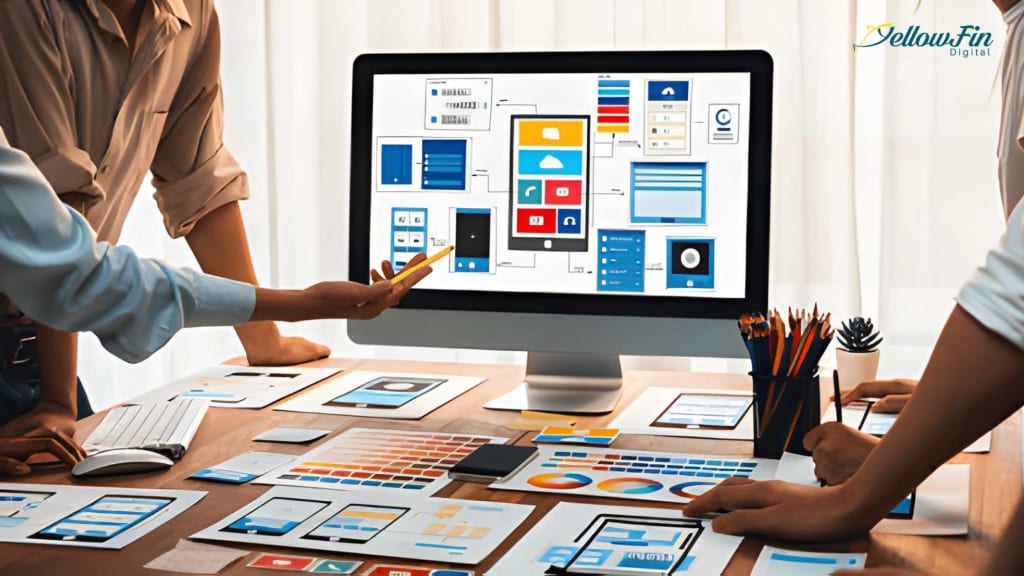
Nowadays, purchasing decisions aren’t part of a long, complex journey. People now search, compare, learn, and buy within moments, often from their phones. These brief, clear-intent interactions are called micro-moments and shape how customers interact with brands online.
And they play a significant role in how users experience brands online. Whether someone is looking for information, checking availability, learning how something works, or is ready to buy, the experience they encounter in that moment can shape their final decision.
For e-commerce businesses, success depends on being fast, helpful, and easy to navigate. Pages that load quickly, content that answers questions clearly, and checkout flows that remove friction all matter. When supported by thoughtful custom web design, these moments turn brief visits into meaningful actions.
Micro-Moments: How Google’s Concept Helps Shape Online Decisions
Micro-moments occur when users turn to their devices with a clear goal. These interactions may be brief, but they strongly influence trust, engagement, and conversion. Understanding the intent behind each moment helps businesses respond in a way that feels natural rather than forced.
The Four Types of Micro-Moments
1. I Want to Know
At this moment, what is needed is to satisfy one's curiosity. People are gathering facts, comparing options, and reviewing details before taking any further steps.
2. I Want to Go
This is about seeking immediate service or a place to stay. Location, opening times, and fast accessibility are all crucial.
3. I Want to Do
These moments occur when someone needs help working through a task. Clear instructions or tips from someone who knows are invaluable here.
4. I Want to Buy
At this moment, a decision beckons. The user is seeking an easy-to-follow way to complete an order with no friction.
The Modern E-Commerce Journey: From Interest to Purchase
Today’s customer journey is no longer linear. People move quickly between search engines, social platforms, videos, and websites. Mobile access, instant information, and high expectations have reshaped how decisions are made.
As a result, the traditional sales funnel has given way to a more flexible, moment-based journey. Each micro-moment becomes an opportunity to support users based on their immediate intent.
How Micro-Moments Evolve the Buying Experience
Micro-moments shape how customers interact with brands throughout the buying journey, enabling them to respond quickly and accurately in moments of need. Here are the moments and how they differ.
1. The “I Want to Know” Moment: Research and Discovery
Why It Matters
This moment appears early in the buying journey. Users are gathering information but are not ready to purchase yet. If they receive helpful information, it increases their trust and credibility, and answering their questions makes them more interested in buying or receiving service later; if they go unanswered, they move on to another source.
How It Works
Brands support this moment by creating educational content that addresses common questions. This includes blog articles, comparison pages, FAQs, and explainer videos optimized for search intent. The focus is on clarity, accuracy, and usefulness rather than promotion.
Example
A shopper searching “best noise-canceling headphones for work” is in research mode. A detailed guide that compares features, comfort, and price points helps users understand their options and builds trust well before a purchase decision.
2. The “I Want to Go” Moment: Location and Availability
Why It Matters
This moment is driven by urgency. Users want to quickly find a product or service, either online or nearby. And that leads to action within a day, making it beneficial for brands that get real-time visibility and drive in-store traffic.
How It Works
Local SEO supports it, ensuring businesses appear in nearby searches and by local keywords, enabling store locators, accurate business listings, and real-time inventory updates. Additionally, digital-first brands benefit from clearly showing delivery timelines or pickup options and leveraging mobile ads to drive foot traffic.
Example
A user searching “running shoes near me” expects immediate results. A site that shows nearby store locations or same-day pickup availability helps the user take action without delay.
3. The “I Want to Do” Moment: Usage and Guidance
Why It Matters
After discovering or buying a product, users often want to know how to use it correctly. Showing them how to help builds trust and satisfaction; a good conversion increases confidence in buying a product or getting a service; and post-purchase/service interactions make them loyal and keep them coming back.
How It Works
Brands address this moment through tutorials, how-to articles, videos, and interactive tools. Content should focus on real use cases, setup steps, and problem-solving.
Example
Someone who purchases a smartwatch may search “how to set up fitness tracking.” A short video or step-by-step guide helps them get started quickly, improving satisfaction and long-term engagement.
4. The “I Want to Buy” Moment: Conversion and Checkout
Why It Matters
This is the final and most time-sensitive moment. The user has decided to purchase and just needs a smooth experience. Mobile users need a quick response; any friction can result in cart abandonment.
How It Works
Optimizing this moment involves simplifying the checkout process. This includes mobile-friendly design, minimal form fields, guest checkout options, multiple payment methods, and fast page load times.
Example
A customer ready to purchase encounters a lengthy checkout form with mandatory account creation. If the process is simplified to a few clicks with saved payment options, the likelihood of completing the purchase increases significantly.
How Custom Web Design Supports Micro-Moments
Custom web design plays a critical role in effectively responding to micro-moments despite having an AI-driven world. A well-structured website guides users naturally through key decision points without confusion and the need for AI.
Why This Matters
- Users expect intuitive, easy-to-use websites.
- Clear design builds trust and improves engagement.
- Animation shapes brand identity through consistent visuals and subtle motion.
- Micro-moments require fast access to the correct information.
How Web Design Supports Micro-Moments
- Purpose-driven layouts align content with user intent.
- Personalized content placement highlights relevant sections.
- Visual cues and motion guide attention without distraction.
- Responsive design ensures a consistent experience across devices.
Example: Streamlined User Journeys
- Early-stage visitors see educational or inspirational content.
- During comparison, availability and delivery details are clearly displayed.
- When ready to buy, checkout is friction-free and straightforward.
By focusing on clarity and personalization, they support micro-moments in a way that feels natural and user-focused.
Bringing the Moments Together
Google micro-moments are not about luck or complexity; they’re about being prepared at the right time. Each micro-moment plays a distinct role, but real impact comes when they work together. Clear information builds confidence, easy navigation encourages action, helpful guidance improves usability, and a smooth checkout removes hesitation.
When these elements are thoughtfully aligned through custom web design, the buying journey shifts from sales-driven to truly user-focused, making decisions feel simple, supported, and effortless.
About the Creator
Elli Brice
Digital Marketer by Profession | Content Writer by Heart!
Keep reading
More stories from Elli Brice and writers in Journal and other communities.
SEO vs. Paid Ads: What Works Best for Texas Entrepreneurs
With so many businesses competing for attention online, standing out can feel like a challenge. SEO helps search engines understand your website so the right people can find you naturally, while paid ads offer a faster way to get visibility when you need results right away.
By Elli Brice2 months ago in Journal
What are the top strategies for insurance compliance management in 2026?
Many insurers still rely on fragmented processes, manual reviews, and reactive controls; approaches that create blind spots, slow response times, and expose the business to regulatory and reputational risk. At the same time, digital distribution, AI-driven decision-making, and growing volumes of customer data are reshaping how insurance products are built, sold, and serviced.
By Fusion Business Solution P Limitedabout 21 hours ago in Journal
Silver Screen Magic with Mae West
American actress and singer Mae West became a popular film actress during the Great Depression. She started entertaining in vaudeville, then performed on Broadway, and finally went to Hollywood. She signed up with Paramount Pictures and made her debut in the 1932 film “Night After Night.” She also starred in musicals, comedies, and crime dramas. The American Film Institute named her one of the best classic Hollywood actresses.
By Rasma Raisters6 days ago in Geeks


Comments
There are no comments for this story
Be the first to respond and start the conversation.