
How to decide if an IPO is worth investing in
Investing in IPO

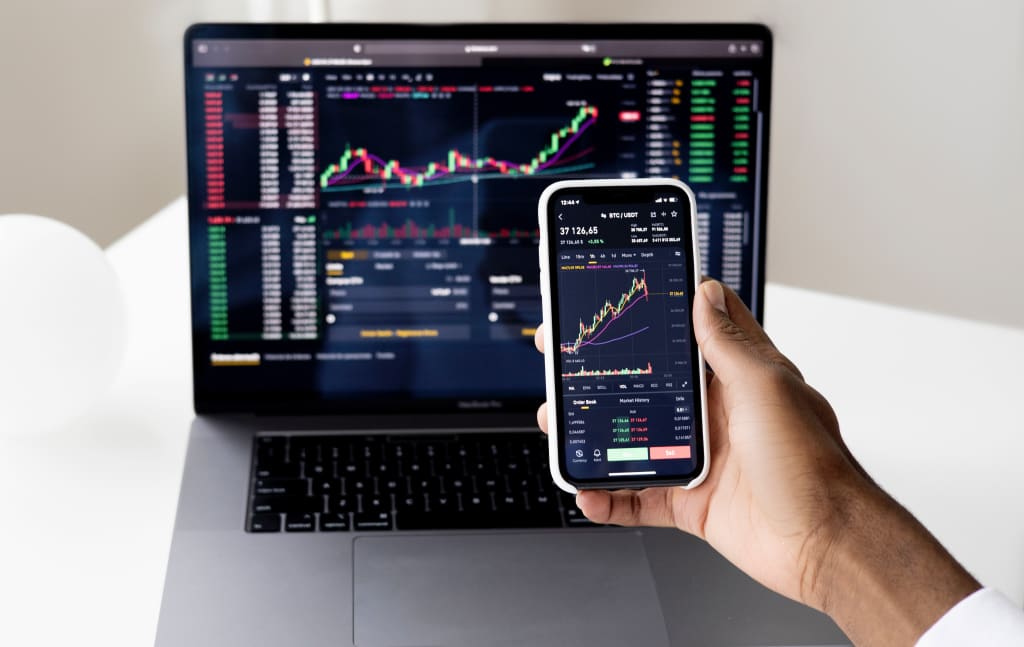
We have been seeing a rise in investor interest in IPO. The increase in IPO investment is driven mainly by excess liquidity. I must also add that recent IPO performance has given a boost to investor interest in IPOs.
Most of the IPOs listed in the recent past are trading above their listing prices. A few above have over 200% and above. These are facts to show that the IPOs are drawing interest from investors. It is seen that even the newbies in the stock market are aggressively applying for IPOs.
It raises an automatic question in the mind of common people. Are IPOs that good? Can we pick any upcoming IPO and invest in those IPOs? Obviously not. IPO investment can go sour. The latest example is IPO from LIC. People jumped on it seeing that it is a great chance to own a multi-bagger stock at a very cheap price. Not all IPOs are well accepted by the market. Many factors like the timing of the IPO, pricing of shares, and any internal news may not act in favour of the IPO.
To avoid such factors affecting the IPO in the short and medium term, an investor should follow a guideline and a plan before investing. As stated below the guideline to select an IPO which is worth investing in.
Read DRHP
Before the IPO, the company publishes the prospectus carrying all important information in a prospectus known as the Red Herring Prospectus or the DRHP (Draft Red Herring Prospectus). The company submits this to SEBI along with the application for IPO for approval. After approval, the company publishes the prospectus for everyone to see.
An investor must go through the DRHP before investing to understand the pros and cons of the issue.
Proceeds Utilization
It is important to know how the company proposes to spend the proceeds acquired from the IPO. If a company uses the main share of IPO money to pay the debt, that is not a good proposal. Paying the previous debt may make the company debt free, but this is a misutilisation of funds. Unless the company proposes to use the fund for the growth of the company and increase earning potential, why should an investor invest in a company to pay their past debt? An investor should keep away from it.
Business model and the Core Business
The investor should understand the company’s business model to gauge the efficiency and future profit curve. The investor should also understand the core business of the company. If these two aspects are unclear from an investor’s point of view, the investor may stay away from the IPO. Investors should understand where their money is going to be utilised and the merit of investment. Otherwise, it becomes a blind investment which may inherit unforeseen high risk.
The Management Team
A company is as good as its management. It mostly holds true. A good management team can make a bad company into a good, profit-generating business entity. An investor should know about the management team and their past efficiency track record. If the record shows their high efficiency, an investor can be assured of the fact that his/ her money is in good hands. But a company having a management team with murky past records should be avoided for investing in.
Promoters’ Background
Similar to the management team, the promoters are also very important, because at the end of the day it is them who make the final decision. Many promoters want to get rid of the company by offloading their investment and realise a profit from IPO proceeds to quit the company.
This is why promoters’ background is very important. An investor may delve through their past track record from the digital world to make a judgement about their integrity. If there is any doubt about their intentions, the IPO should be avoided.
Business Potential of the company
The magnitude of growth and business potential lies in many factors. But the choice of the product and its competitiveness in the current and future market gives an edge to the growth potential of the company.
The investor should have a prior idea and can create a stable judgement on the future market share of the company. If the product has high demand in the market and the customer choice trend shows future rising growth, the IPO is worth investing in.
The company should propose in the prospectus of a good sustainable business model for future business activity and persistent growth. The investor can understand future growth potential from the printed document itself. If the idea is not clear or written in vague terms, the IPO should be avoided.
Valuations of the company
Company valuations are important factors to choose an IPO for investment. Precise ideas about the company valuations allow an investor to understand whether the IPO price is overvalued, under-valued or fairly valued. Industry parameters like profitability ratio etc. allow us to have a clear idea about the IPO pricing.
Financial Health of the company
Financial health is probably one of the most important factors to understand the company’s financial health. There are different company ratios to understand the present financial condition of the company and justification of pricing of shares.
Company ratios like Price over Sales or Price over Earning are two such ratios that tell us the current business condition of the company. These ratios and the annual and quarterly balance sheets tell us about the company’s business, its growth rate and many other important aspects of the financial health of the company. In addition to these, the CRR (cash reserve ratio), company outstanding, debts and other liabilities give a somewhat clear picture of the company. A practised eye can pick out the odd lot from the data and give a warning signal. If necessary, the investor can seek professional help in such matters.
Peer Valuation
Similar to company valuations, peer valuations are also important to find the comparative business strength of the company. In the sector in which the company is doing business, the peer company can give clearer projections through company ratios. If the company coming out with IPO has comparable values with that of its peer, the financial health of the company can be said is in good condition and worth investing in the IPO.
Risk Factors
Must check out the major risk factors inherent to the company product or business model. Understanding these major risk factors is important for an investor to realize how risky the investment is.
Reason for listing
The company in its prospectus says about the reason for listing. If it is mentioned in the prospectus most of the proceeds from IPO will be spent on business development and increasing earning potential rather than paying the existing debt, the IPO can be considered for investment.
Lead Manager and the Broker
It is important that the lead manager and the broker are organisations of repute. That increases the worth of the IPO.
Individual Investment Horizon of investors
Before investing the investor must know about personal investment horizon. Investment purposes depend on it.
Plan Exit Strategy
The investor should also plan an exit strategy before investing in IPO. In case the investment does not fetch the desired result, the investor should not panic and exit from the investment in a planned way.
Wrapping up
We have discussed how to decide if an IPO is worth investing in and in case the investment goes wrong, what is to be done. In brief, an investor trying to invest in IPO may consider this as a guideline to be followed before investing.
About the Creator
Keep reading
More stories from Soumyajit Chakraborty and writers in Journal and other communities.
Business Phone Service for Small Businesses
Today more than ever, communication is crucial in the business world. Regardless of how big or small your company is, whether it operates online or offline, you must have effective communication with all of your stakeholders.
By Soumyajit Chakraborty3 years ago in Education
The 2026 Report: Who Is Actually Moving the Needle for Karachi’s Economy?
If you are running a business in Karachi right now, you know the reality. The grid is unstable, the rupee is fluctuating, and the old ways of doing business—relying purely on local foot traffic—are fading. In 2026, the only real stability comes from foreign currency.
By Mahnoor Qureshiabout 3 hours ago in Journal



Comments
There are no comments for this story
Be the first to respond and start the conversation.