
How to Choose the Right Laboratory Scales for Accurate Measurements
Ideal Laboratory Scales for Precise Measurements

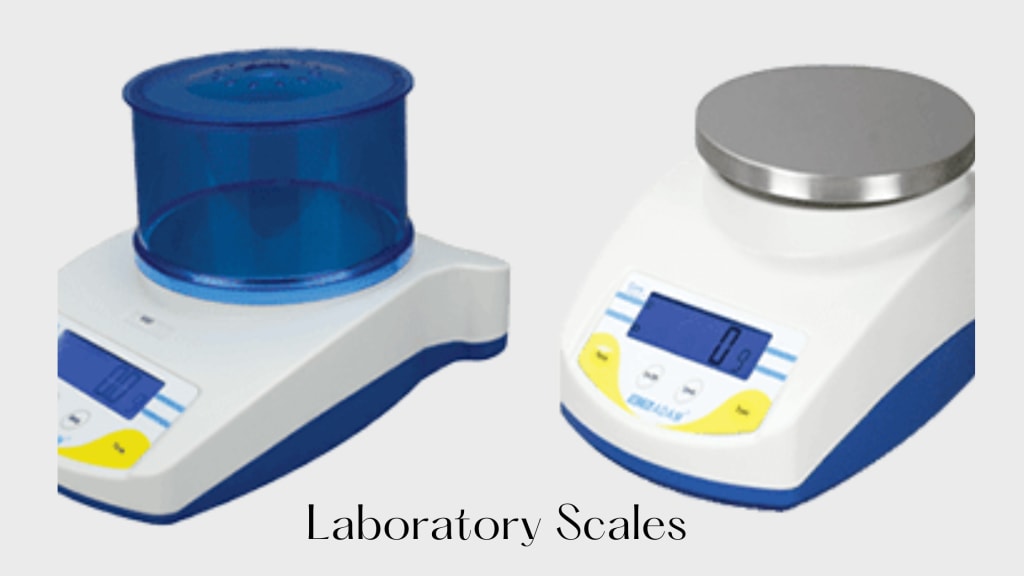
Selecting the right laboratory scales is crucial for ensuring precision in measurements, which directly impacts the reliability of your experiments and results. Whether you're working in a pharmaceutical lab, a research facility, or a university, the accuracy and consistency of your measurements can make or break your work. In this article, we'll delve into the key considerations for choosing the best laboratory scales, helping you make an informed decision.
Key Factors to Consider When Choosing Laboratory Scales
When selecting laboratory scales, it's essential to consider several factors to ensure you choose the right equipment for your needs:
- Capacity and Readability: The capacity of the scale refers to the maximum weight it can measure, while readability indicates the smallest increment it can detect. Ensure the scale you choose can handle the maximum weight you expect to measure while providing the necessary precision.
- Environment: The environment in which the scale will be used can affect its performance. Factors such as temperature fluctuations, humidity, and air currents can impact the accuracy of your measurements. Choose scales that are equipped with features to compensate for environmental changes, or consider placing the scales in a controlled environment.
- Calibration: Regular calibration is crucial for maintaining the accuracy of your laboratory scales. Some scales come with internal calibration features, allowing for automatic calibration at the push of a button. Others require external calibration using certified weights. Choose a scale that offers the calibration method best suited to your needs and ensure you have access to the necessary equipment for maintaining calibration.
- Ease of Use: Laboratory scales should be user-friendly, with clear displays and straightforward controls. Consider scales with features such as touchscreens, intuitive interfaces, and connectivity options like USB or Bluetooth for easy data transfer and integration with other laboratory equipment.
- Durability and Maintenance: Given the investment involved in purchasing laboratory scales, it's essential to choose a model built to last. Look for scales made from high-quality materials that can withstand the rigors of daily use. Additionally, consider the ease of maintenance and availability of spare parts and technical support.
- Compliance and Certification: Depending on your industry, you may need scales that comply with specific standards and regulations, such as ISO or GLP (Good Laboratory Practice). Ensure the scales you choose meet the necessary certification requirements for your laboratory work.
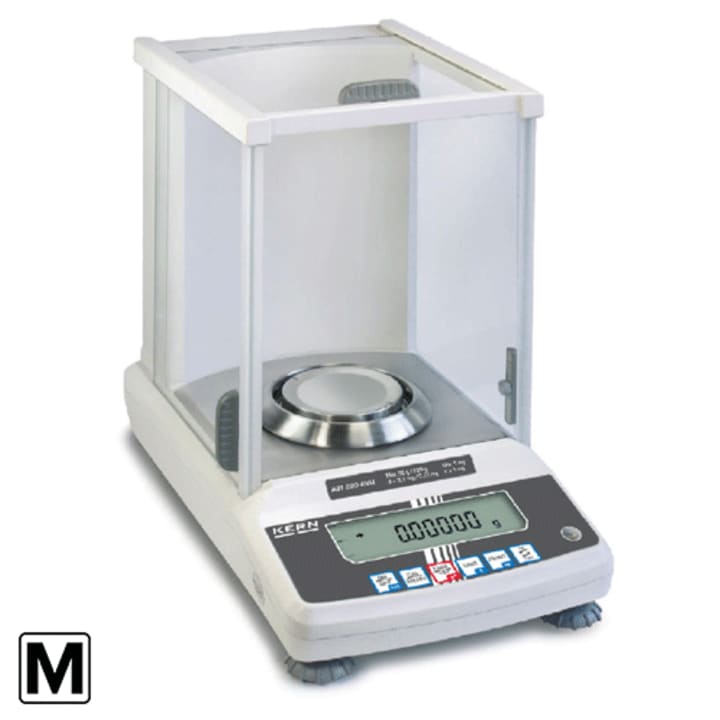
The Importance of Accuracy in Laboratory Work
Accurate measurements are the cornerstone of reliable laboratory work. Whether you're conducting research, developing new products, or performing quality control, the precision of your measurements directly affects the validity of your results. Laboratory scales play a critical role in this process, providing the accuracy needed to ensure your work is both reliable and reproducible.
By investing in high-quality laboratory scales that meet your specific needs, you can enhance the accuracy of your measurements, leading to more consistent and reliable results. This not only improves the quality of your work but also helps build trust in your findings within the scientific community.
The Role of Technology in Modern Laboratory Scales
Modern laboratory scales have advanced significantly with the integration of technology. Features like digital displays, automated calibration, and data connectivity streamline processes, enhancing both accuracy and efficiency.
Conclusion
Choosing the right laboratory scales requires careful consideration of factors such as capacity, readability, environmental conditions, calibration methods, and ease of use. By selecting scales that meet your specific needs, you can ensure the accuracy and reliability of your measurements, which are essential for successful laboratory work.
For a wide range of laboratory scales that cater to various requirements, visit Scales & Balances. Their selection of high-quality scales ensures you’ll find the right equipment to meet the demands of your laboratory.
About the Creator
Andrew Mile
Andrew Mile is passionate about technology, wedding planning, and services, crafting insightful content that blends innovation with elegance, making complex topics accessible and weddings unforgettable.
Keep reading
More stories from Andrew Mile and writers in Journal and other communities.
Employment Law for Individuals: What Every Employee Should Know in 2025
When you’re navigating your career, whether you’re just starting a new role or dealing with a difficult situation at work, employment law can feel like a world of its own. The rules, the terminology, the processes — it’s a lot. But at its core, employment law is simply about protecting you as an individual. It exists to make sure you’re treated fairly, paid properly, and supported when problems arise.
By Andrew Mile2 months ago in Journal




Comments
There are no comments for this story
Be the first to respond and start the conversation.