
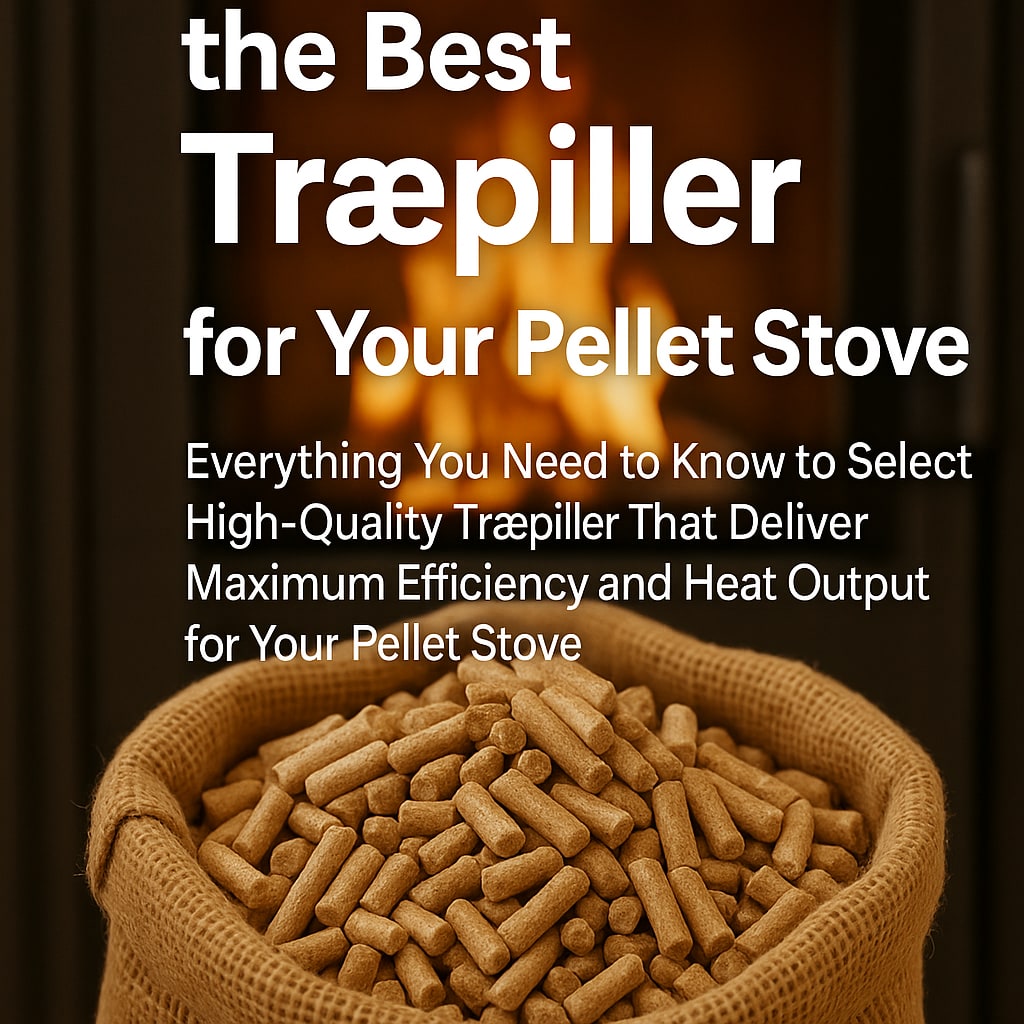
How to Choose the Best Træpiller for Your Pellet Stove
Everything You Need to Know to Select High-Quality Træpiller That Deliver Maximum Efficiency and Heat Output for Your Pellet Stove

As pellet stoves grow in popularity across Denmark and Europe, so does the demand for high-quality træpiller. These small, compressed wood pellets are an eco-friendly and efficient fuel source — but not all træpiller are created equal.
Choosing the right træpiller for your pellet stove can mean the difference between smooth, consistent heat and frequent breakdowns or poor performance. In this guide, we’ll break down what to look for in træpiller, how to identify quality products, and where to find the best træpiller for your heating needs.
What Are Træpiller?
Træpiller (wood pellets) are small cylinders made from compressed sawdust and wood shavings. They’re commonly used as fuel in pellet stoves and boilers due to their high energy content, low moisture, and clean burning characteristics.
They come in standard sizes, typically 6mm or 8mm in diameter, and are known for their efficiency and convenience.
Why Quality Matters
Not all træpiller perform the same. Using low-quality pellets can result in:
- Higher ash production
- Clogged burners and augers
- Reduced heat output
- Frequent maintenance
To get the best performance from your pellet stove, you need træpiller that burn cleanly, produce minimal ash, and offer consistent heat.
Key Factors to Consider When Choosing Træpiller
1. Wood Type and Purity
High-quality træpiller are typically made from pure, untreated wood, such as softwood or hardwood. Avoid træpiller made from painted or chemically treated wood, as they can produce harmful emissions and damage your stove.
- Softwood pellets (like pine or spruce) tend to burn hotter and cleaner.
- Hardwood pellets (like oak or beech) burn longer but may produce slightly more ash.
Look for labels such as “100% rent træ” (100% pure wood) when buying.
2. Moisture Content
The lower the moisture content, the better the burn. Premium træpiller have a moisture content below 10%, which means they ignite quickly and burn more efficiently.
Excess moisture leads to incomplete combustion, more smoke, and higher ash buildup.
3. Ash Content
Ash is the leftover material after combustion. Less ash = less cleaning and better efficiency.
- Premium træpiller: Less than 0.5% ash content
- Standard træpiller: Up to 1% ash content
Choose træpiller with low ash content to reduce maintenance and ensure your stove runs smoothly.
4. Pellet Size and Shape
Your pellet stove is designed to handle a specific pellet size — usually 6mm or 8mm. Always check your stove’s manual for the recommended size.
Also, make sure the pellets are uniform in shape and free from excessive dust or crumbling, which can clog feeding systems.
5. Certification and Standards
Look for træpiller that are ENplus A1 certified. This European certification ensures:
- High calorific value
- Low ash and moisture
- No additives or contaminants
ENplus certification is a reliable sign of top-tier træpiller.
6. Packaging and Storage
Quality træpiller are usually sold in 15kg bags or in bulk. Good packaging should be:
- Sealed to prevent moisture infiltration
- Clearly labeled with specifications
- Stored in dry conditions
If buying in bulk, make sure your storage space is dry and well-ventilated to preserve pellet quality.
Where to Buy High-Quality Træpiller in Denmark
Finding a trusted supplier is key. Many Danish homeowners rely on local companies like DKBrænde for consistent quality and reliable delivery.
When choosing a supplier, consider:
- Pellet source and production process
- Delivery options and costs
- Customer reviews and reputation
Pro tip: Buy træpiller during the off-season (late spring or summer) to save money and ensure availability for winter.
Common Mistakes to Avoid
- Buying the cheapest pellets: Low prices often mean lower quality, more ash, and costly repairs.
- Ignoring certification: Always check for ENplus A1 or similar certifications.
- Improper storage: Even the best træpiller can degrade if exposed to moisture.
- Using the wrong size: Using pellets too large or too small can damage your stove.
Final Thoughts
Choosing the best træpiller for your pellet stove isn’t just about price — it’s about performance, efficiency, and protecting your investment. By focusing on factors like wood type, moisture content, ash level, and certification, you’ll ensure a cleaner burn, better heat output, and fewer maintenance headaches.
Remember, high-quality træpiller may cost a bit more upfront, but they save money in the long run by extending the life of your stove and reducing maintenance.
About the Creator
Md Mehedi Hasan Rifad
Professional SEO Expert
Keep reading
More stories from Md Mehedi Hasan Rifad and writers in Journal and other communities.
Why You Should Attend Licensing Expo 2025 and InventHelp's V.I.B.E. Display?
As the world’s largest licensing event, Licensing Expo 2025 promises to be bigger, bolder, and more opportunity-packed than ever. Held annually in Las Vegas, this iconic trade show attracts thousands of brand owners, manufacturers, retailers, and marketers from across the globe. But beyond the major brands and entertainment giants, there’s something especially exciting for product scouts, licensing professionals, and innovation seekers: InventHelp's V.I.B.E. Display.
By Md Mehedi Hasan Rifad8 months ago in Journal
Silver Screen Magic with Mae West
American actress and singer Mae West became a popular film actress during the Great Depression. She started entertaining in vaudeville, then performed on Broadway, and finally went to Hollywood. She signed up with Paramount Pictures and made her debut in the 1932 film “Night After Night.” She also starred in musicals, comedies, and crime dramas. The American Film Institute named her one of the best classic Hollywood actresses.
By Rasma Raisters5 days ago in Geeks




Comments
There are no comments for this story
Be the first to respond and start the conversation.