
FTSE Rallies Amid Gold and Oil Rout
Market shift signals changing investor confidence across global assets
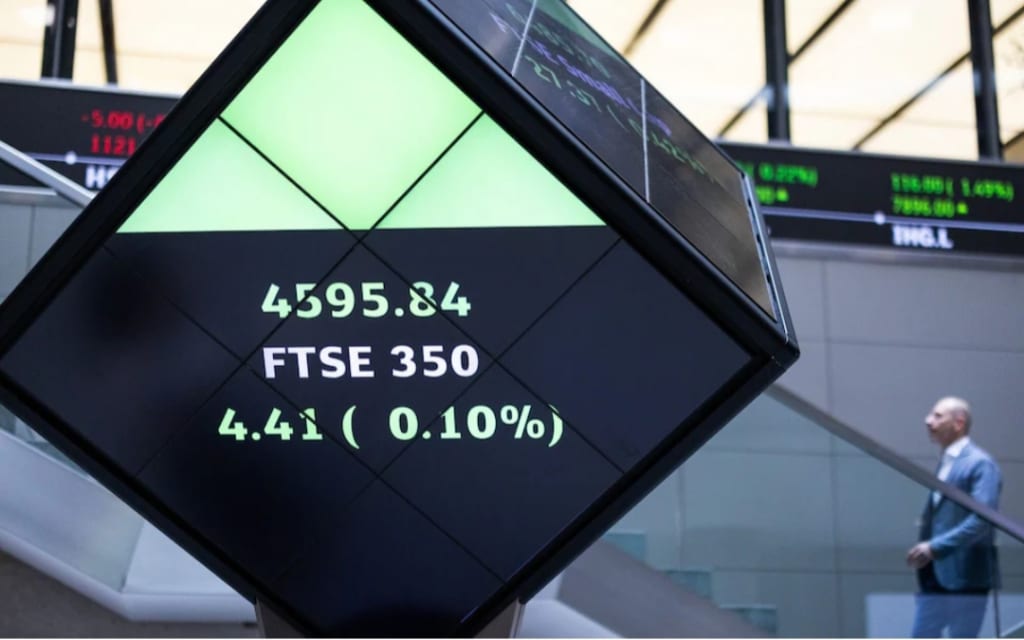
The FTSE has recorded a notable rally as global markets react to a sharp decline in gold and oil prices. The movement highlights how rapidly investor sentiment can shift between traditional safe-haven assets and equities. Market analysts say the rally reflects renewed confidence in economic growth prospects, alongside changing expectations around inflation, interest rates, and global demand.
The shift also underscores the interconnected nature of global financial markets, where movements in commodities often influence stock market performance.
Understanding the FTSE and Its Global Importance
The Financial Times Stock Exchange (FTSE) indices, particularly the FTSE 100, represent the performance of the largest publicly traded companies in the United Kingdom. Because many FTSE-listed companies operate globally, the index is often viewed as a barometer of international economic sentiment.
Key FTSE sectors include:
Energy and oil companies
Financial services and banking
Mining and commodities
Consumer goods and retail
Pharmaceuticals and healthcare
Movements in the FTSE often reflect global economic trends rather than purely domestic UK conditions.
Why Gold and Oil Prices Matter to Global Markets
Gold and oil are two of the most influential commodities in the world. Gold is traditionally seen as a safe-haven asset during times of uncertainty, while oil is a key driver of global industrial and transportation activity.
Gold prices typically rise when:
Economic uncertainty increases
Inflation fears grow
Currency values weaken
Global conflict risk rises
Oil prices usually rise when:
Global demand increases
Supply disruptions occur
Economic growth accelerates
When both commodities fall, it can signal shifting economic expectations.
What Caused the Gold and Oil Rout?
Commodity price drops can happen for several reasons. Analysts often point to multiple overlapping factors rather than a single cause.
Possible drivers include:
Stronger global currency performance reducing commodity demand
Lower-than-expected industrial demand
Increased global supply levels
Investor rotation from commodities into equities
Changing expectations about central bank policy
Commodity markets are particularly sensitive to economic forecasts and geopolitical developments.
Why the FTSE Is Rising at the Same Time
A rally in stock markets during a commodity downturn can occur when investors shift capital toward equities seeking higher returns. Falling oil prices can also reduce operational costs for many companies, boosting profit expectations.
Factors supporting FTSE gains may include:
Lower energy costs for businesses
Increased consumer spending due to lower fuel costs
Strong performance from banking or technology sectors
Global investor appetite for equity markets
Optimism about economic stability
This dynamic often reflects investor belief that economic growth remains strong.
The Role of Interest Rates and Central Banks
Central bank policy remains one of the most important drivers of global financial markets. Interest rate expectations influence investment flows between bonds, equities, and commodities.
Lower interest rate expectations often support equities because:
Borrowing costs decrease for businesses
Investors move away from low-yield bonds
Economic activity tends to increase
Corporate investment may expand
If markets expect stable or falling rates, stock indices like the FTSE often benefit.
Sector Winners and Losers During Commodity Drops
Not all sectors respond the same way to falling commodity prices.
Potential winners include:
Airlines and transportation companies
Manufacturing firms
Consumer goods companies
Retail businesses
Potential losers may include:
Oil and energy producers
Mining companies
Commodity-focused investment funds
The overall index movement often depends on the balance between these sectors.
Global Market Ripple Effects
The relationship between commodities and equities extends beyond the UK. When major commodities fall, global stock markets often react quickly.
Global impacts may include:
Changes in emerging market performance
Currency value adjustments
Changes in inflation forecasts
Shifts in global investment flows
Because of globalization, local market events often reflect global trends.
What Investors Are Watching Next
Market participants are closely monitoring several indicators to determine whether the trend will continue.
Key indicators include:
Central bank policy signals
Global economic growth data
Inflation reports
Energy demand forecasts
Geopolitical developments
Markets often shift quickly when new economic data emerges.
Risks That Could Reverse the Rally
Despite the FTSE rally, risks remain. Financial markets are highly sensitive to unexpected global events.
Potential risks include:
Sudden commodity price recovery
Unexpected inflation increases
Geopolitical instability
Interest rate policy surprises
Weak corporate earnings reports
Investors often prepare for volatility during periods of economic transition.
Conclusion
The FTSE rally amid falling gold and oil prices highlights the complex relationship between commodities, equities, and global economic sentiment. While declining commodity prices can signal lower inflation pressures and reduced business costs, they can also reflect changes in global demand expectations.
For now, investor confidence appears to favor equities over traditional safe-haven assets. However, global markets remain highly dynamic, and future trends will depend on economic data, central bank decisions, and geopolitical stability.
As financial markets continue evolving, investors, businesses, and policymakers will closely watch how commodity trends shape broader economic conditions. The current rally serves as a reminder that global markets are deeply interconnected, and shifts in one sector can quickly influence others.
About the Creator
Keep reading
More stories from Aarif Lashari and writers in Journal and other communities.
Israel Reopens Gaza’s Key Rafah Border Crossing with Egypt
The reopening of Gaza’s key Rafah border crossing with Egypt marks a significant development in one of the Middle East’s most closely watched geopolitical and humanitarian situations. The crossing, long considered a vital lifeline for Gaza’s population, plays a crucial role in allowing movement of people, humanitarian aid, and essential supplies into and out of the territory.
By Aarif Lashariabout 9 hours ago in Journal
How GM Could Become the 2nd US Automaker to Hit $100 a Share (And Then Blow It)
General Motors (NYSE: GM) has captured Wall Street’s attention recently, pushing its share price to all‑time highs and sparking debates among analysts about whether the iconic Detroit automaker could become only the second large U.S. auto company to reach $100 a share. But along with optimism comes caution: structural challenges, trade policy uncertainty and shifting consumer demand could just as easily knock the stock back down. This dual possibility — mounting toward $100, then blowing up — is part of the conversation among investors and market experts.
By Salaar Jamali6 days ago in Journal


Comments
There are no comments for this story
Be the first to respond and start the conversation.