
Fruit Powder Manufacturing Plant Setup Cost 2025: Machinery and Business Plan Overview
Setting up a fruit powder manufacturing plant in 2025 involves moderate to high investment depending on production capacity, automation level, and target market.

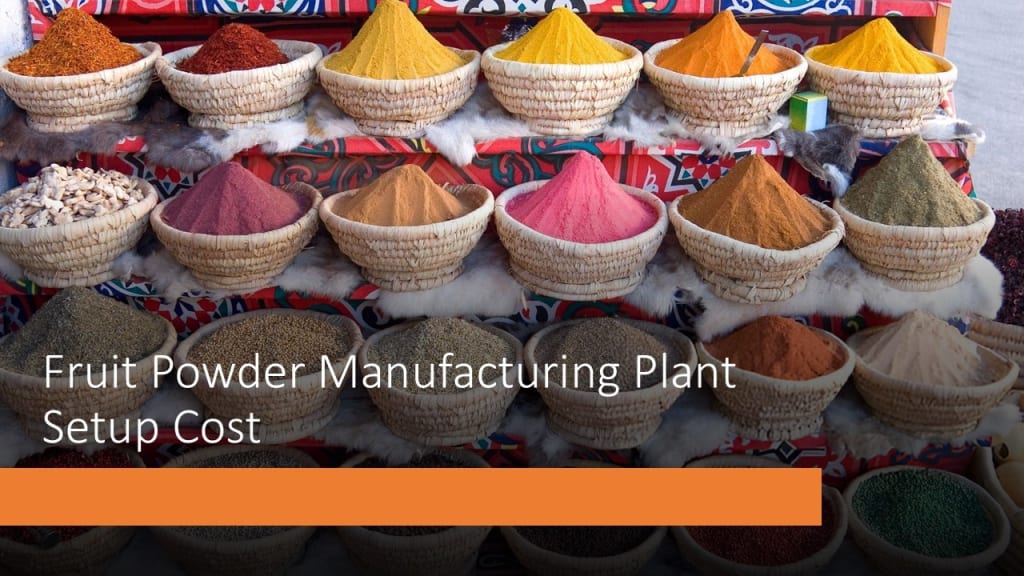
Fruit powders are becoming increasingly popular as convenient, nutritious ingredients used in beverages, bakery items, dietary supplements, and more. If you’re considering starting a fruit powder manufacturing plant, it is essential to understand the fruit powder manufacturing plant setup cost to make informed decisions and plan effectively.
The establishment of a fruit powder factory entails a range of primary investments, from raw materials to labor and machines, and licenses. This guide breaks down the main expenses you should expect and factors to keep in mind when preparing to launch your business.
1. Raw Materials: The Foundation of Quality Fruit Powder
The foundation of a successful fruit powder business lies in sourcing good-quality raw fruit. The variety, type, and freshness of fruit chosen to manufacture the powder determine the flavor profile, nutritional quotient, and overall shelf life of the product.
Typical fruits used for powder production are mango, banana, strawberry, apple, and others. Choosing locally grown fruits can cut down on procurement costs and minimize logistics.
Raw materials also consist of packaging materials such as pouches, jars, or sachets, which serve to maintain the powder fresh and attractive to customers.
Sourcing from trusted suppliers in large quantities assures uniform quality and favorable pricing.
2. Machinery and Equipment: The Core of Your Plant
A large portion of your setup cost will go toward machinery designed specifically for fruit powder production. This equipment performs essential functions, from fruit washing and drying to grinding and packaging.
Key machines include:
• Fruit washing and sorting units: To clean and grade fruits before processing.
• Dryers: Options like spray dryers, drum dryers, or freeze dryers remove moisture while preserving nutrients.
• Grinding machines: To pulverize dried fruit into fine powder.
• Sieving machines: For uniform particle size.
• Packaging machines: Automated or semi-automated systems for filling and sealing.
Choosing between manual, semi-automatic, or fully automated lines affects both the initial cost and ongoing operational efficiency.
3. Utilities and Operating Expenses: Powering Your Production
Fruit powder production requires steady utilities, including electricity and water. Electricity powers machines like dryers, grinders, and packaging lines, while water is essential for cleaning fruits and equipment.
Additional utility considerations:
• Backup power systems to avoid production interruptions.
• Water treatment plants to meet hygiene standards.
• Waste management systems for disposing of fruit peelings and wastewater responsibly.
Efficiency in utilities reduces ongoing costs and supports sustainable operations.
4. Labor and Staffing: People Behind the Process
Even the best machinery needs skilled operators and support staff. Your workforce will be responsible for everything from running equipment to quality control and packaging.
Typical roles include:
• Machine operators
• Quality control technicians
• Maintenance personnel
• Packaging staff
• Administrative and sales teams
Investment in staff training ensures smoother operations and higher product quality.
5. Licensing, Certifications, and Compliance: Legal Must-Haves
Operating a fruit powder manufacturing plant means complying with various regulations. Obtaining licenses and certifications is critical to avoid legal hassles and build customer trust.
Common requirements include:
• Business registration and factory licenses
• Food safety certifications like FSSAI, ISO, or HACCP
• Environmental clearances for waste disposal
• Packaging and labeling compliance
Consulting experts helps speed up approvals and keeps you aligned with local laws.
6. Factory Overheads and Administrative Expenses
Beyond production costs, your plant will incur overheads such as:
• Rent or mortgage for the plant building
• Utilities for office areas
• Insurance coverage for assets and employees
• Accounting and legal services
Efficient management of these overheads helps maintain predictable cash flow and supports long-term growth.
7. Packaging and Distribution: Delivering Quality to Customers
Packaging plays a vital role in protecting fruit powder and attracting buyers. Investment here includes design, materials, and packaging machinery.
Distribution costs cover:
• Storage of finished products
• Transportation to retailers or direct customers
• Partnership with distributors or logistics providers
Choosing reliable packaging and shipping partners minimizes damage and spoilage, safeguarding your brand reputation.
8. Marketing and Promotion: Growing Your Brand
No matter how great your fruit powder is, it needs marketing to reach your audience. Marketing expenses often include:
• Branding and logo creation
• Digital marketing through social media and websites
• Sampling events and trade shows
• Sales team salaries or commissions
Building an authentic and consistent brand image encourages repeat customers and market growth.
9. Maintenance and Equipment Depreciation: Sustaining the Business
Keeping your plant running smoothly requires regular maintenance of machinery. Budgeting for spare parts and servicing reduces downtime and extends equipment life.
Accounting for depreciation ensures you’re financially prepared for future replacements or upgrades.
Final Thoughts: Planning for Success in Fruit Powder Manufacturing
Understanding the fruit powder manufacturing plant setup cost is a crucial first step toward launching a successful business. From securing quality raw materials and investing in machinery to managing labor and marketing your brand, every element contributes to your overall cost and success.
By carefully planning and managing these expenses, you can build a sustainable, profitable fruit powder manufacturing plant that meets growing consumer demand for healthy, convenient products.
About the Creator
Andrew Sullivan
Hello, I’m Andrew Sullivan. I have over 9+ years of experience as a market research specialist.
Keep reading
More stories from Andrew Sullivan and writers in Journal and other communities.
Electric Scooter Manufacturing Plant Setup Cost in 2025: A Complete Investment Guide
The worldwide movement toward sustainable transportation and clean energy has accelerated the widespread use of electric scooters in both urban and suburban areas. Setting up an electric scooter manufacturing facility offers a lucrative prospect for entrepreneurs and investors aiming to enter this growing industry. This detailed guide covers the electric scooter manufacturing plant setup cost including necessary equipment, capital investment framework, and operational costs, providing a clear blueprint for launching a successful business.
By Andrew Sullivan6 months ago in Journal



Comments
There are no comments for this story
Be the first to respond and start the conversation.