
From Orchard to Skewer: A Deep Dive into the Art of Traditional Hawthorn Tanghulu
Unwrapping the Sweet Tradition and Cultural Legacy of Hawthorn Tanghulu

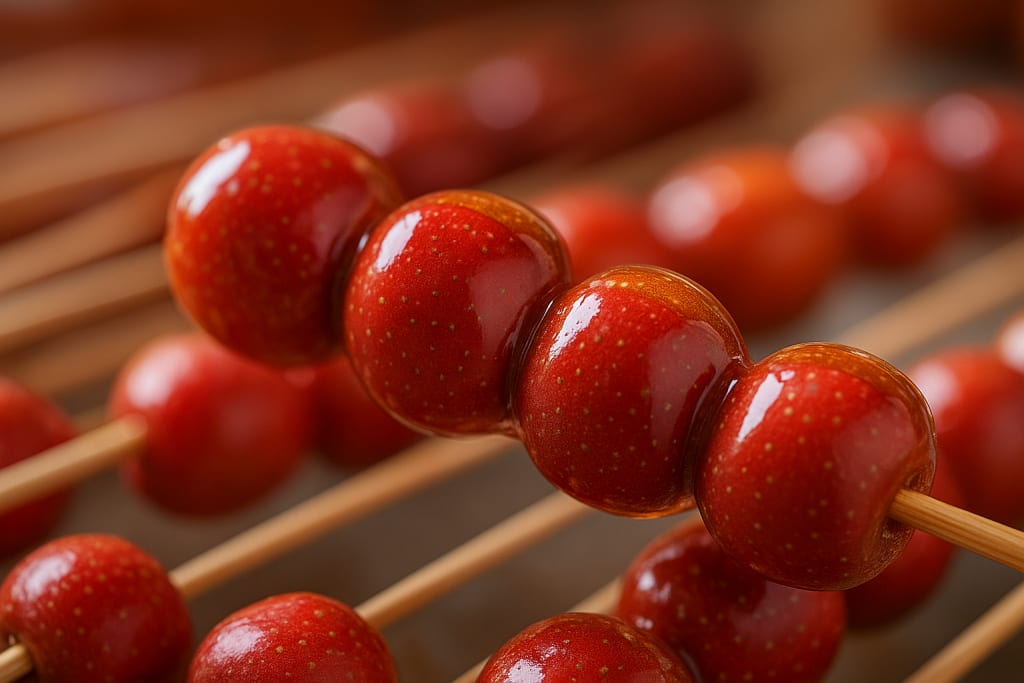
The Sweet and Sour Symphony of a Timeless Treat
In the vibrant tapestry of Chinese street food, few confections hold a place as cherished as tanghulu. While an array of fruits can be used, the quintessential version, the one that evokes a sense of nostalgia and tradition, is the one made with the crimson hawthorn berry. The hawthorn tanghulu is a simple yet profound culinary creation, a perfect balance of tartness from the fruit and a delicate, glassy sweetness from a perfectly prepared sugar coating. It's more than just a snack; it's a piece of edible history, a symbol of family gatherings and festive celebrations, and a testament to the art of simple, elegant flavors. The hawthorn berry itself, a tiny, apple-like fruit, is known for its health benefits in traditional Chinese medicine, making this treat not only delicious but also a culturally significant component of the culinary landscape.
A Journey Through Time: The Origins of Tanghulu
The story of tanghulu is steeped in legend, tracing back to the Song Dynasty (960-1279 AD). The tale often told is of an emperor's beloved concubine who fell ill with a mysterious ailment, losing her appetite and wasting away. The court's physicians were at a loss. A commoner, a wise physician from the countryside, proposed a cure: a concoction of hawthorn berries and rock sugar, to be consumed before each meal. Within days, the concubine's health was restored. The emperor, in his gratitude, popularized this sweet and sour remedy, and it soon transformed from a medicinal treatment into a beloved folk snack. This tale, whether entirely factual or embellished with time, underscores the deep-rooted connection between tanghulu and well-being, a belief that continues to this day. The tradition of hawthorn tanghulu as a wintertime treat is particularly strong, as the cold helps to set the sugar shell to its signature brittle state.
The Science and Art of the Perfect Sugar Coating
Achieving the perfect, crunchy, glass-like sugar coating on tanghulu is a true art form, requiring patience, precision, and a keen understanding of sugar chemistry. The process seems straightforward: melt sugar and dip fruit. However, the variables are many, and the margin for error is slim. The sugar, typically rock sugar or granulated white sugar, is melted with a small amount of water to create a syrup. The key is to bring the syrup to the "hard-crack" stage, which is around 300-310°F (149-154°C).
• Temperature Control is Paramount: A candy thermometer is an essential tool. Too low, and the sugar will be sticky and chewy, not the desired brittle. Too high, and the sugar will burn, imparting a bitter, unpleasant taste.
• The Right Consistency: The syrup should be thick enough to cling to the fruit but not so thick that it forms a lumpy, uneven coating. A quick test involves dropping a small amount of syrup into a cup of cold water. If it immediately hardens into a brittle thread that snaps easily, it's ready.
• Rapid Dipping: Once the syrup is at the perfect temperature, the skewers of fruit must be dipped swiftly and evenly. The goal is a thin, uniform coat that glistens like glass. A rotating motion while dipping helps to ensure all sides are covered.
The hawthorn berry, with its smooth, waxy skin, is particularly well-suited for this process, as it allows the sugar to coat it flawlessly.
Beyond the Hawthorn: A Modern Twist on a Classic
While hawthorn berries are the traditional star, the versatility of tanghulu has led to a delightful evolution. Modern vendors and home cooks now experiment with a wide variety of fruits, catering to diverse palates and seasonal availability.
• Strawberries: One of the most popular modern variations, offering a burst of sweet juiciness.
• Grapes: Their small size and firm texture make them excellent for a single-bite tanghulu experience.
• Mandarin Oranges: The individual segments can be skewered, providing a citrusy twist.
• Kiwi and Pineapple: For those who prefer a more tropical flavor profile.
The modern tanghulu movement has brought this ancient treat to a global audience, introducing new generations to the simple joy of candied fruit on a stick. However, even with these innovations, the classic hawthorn tanghulu remains a benchmark, a tribute to the flavor that started it all.
The Perfect Pairing: What to Enjoy with Your Tanghulu
Tanghulu is a treat best enjoyed with a simple beverage that complements its sweet and sour profile without overpowering it. The contrast of the candied fruit with a warm or cool drink is part of the experience.
1. Aromatic Tea: A classic pairing in China is with a cup of hot green tea or oolong tea. The slight bitterness of the tea cuts through the sweetness of the sugar and cleanses the palate.
2. Plain Water: Sometimes, the best accompaniment is the simplest. A glass of cold, crisp water provides a neutral backdrop, allowing the pure flavors of the hawthorn and sugar to shine.
3. Milk Tea: For a richer, more indulgent experience, a smooth milk tea can be a delightful contrast to the crunch of the tanghulu shell.
4. Sparkling Water: The effervescence can add a refreshing layer to the experience, making each bite feel even lighter.
The key is to avoid overly sweet or strongly flavored drinks that would compete with the tanghulu's delicate balance.
Conclusion: A Taste of Tradition and a Glimpse of the Future
Hawthorn tanghulu is more than just a culinary creation; it's a testament to the enduring power of tradition and the timeless appeal of simple, well-crafted food. From its fabled origins in the Song Dynasty to its place as a beloved street food and a global sensation, its journey is one of cultural preservation and adaptation. Whether you're a purist who seeks out the traditional hawthorn version or an adventurer who embraces the modern fruit variations, the experience of biting into that perfectly brittle, sugary shell to reveal the tart, juicy fruit within is universally delightful. This candied fruit on a stick is a reminder that some of life's greatest pleasures are found in the most unassuming of forms, a perfect example of how a simple recipe can tell a rich and compelling story. For those interested in learning more about the nutritional aspects of the hawthorn fruit, its historical use in folk medicine is a topic of great interest. The journey of the hawthorn berry from a wild fruit to a celebrated confection is a sweet story indeed.
Frequently Asked Questions
Q1: What does hawthorn tanghulu taste like?
A1: It offers a unique combination of flavors. The hawthorn berry itself is quite tart and slightly sour, with a firm texture. This is perfectly complemented by the sweet, crunchy, and glass-like sugar coating, creating a balanced and addictive sweet-and-sour profile.
Q2: Can I make tanghulu at home?
A2: Yes, you can. It requires some care and precision, particularly with the sugar syrup. You'll need hawthorn berries, sugar, and water, as well as a candy thermometer to ensure the sugar reaches the correct temperature. With a little practice, it's a very rewarding treat to make.
Q3: Why are hawthorn berries used for the traditional version?
A3: Hawthorn berries are the traditional choice due to their availability in China, their unique tart flavor that provides an excellent contrast to the sweet sugar, and their firm texture which holds up well to the dipping process. Historically, they were also valued for their purported health benefits.
Q4: Is tanghulu a seasonal food?
A4: Traditionally, tanghulu is most popular during the winter months. The cold temperatures help the sugar coating set more quickly and maintain its hard, brittle texture. However, with modern refrigeration, it can be found and enjoyed year-round.
Q5: What's the difference between traditional tanghulu and modern versions?
A5: The primary difference is the fruit used. Traditional tanghulu uses only hawthorn berries. Modern versions, while following the same candy-coating method, use a variety of fruits like strawberries, grapes, and oranges to appeal to different tastes.
About the Creator
Keep reading
More stories from Vocal Blog and writers in Journal and other communities.
The Golden Gate of Digital Success: How a San Francisco Web Development Company Can Elevate Your Brand
In the heart of Silicon Valley and the bustling tech hub of the Bay Area, San Francisco has cemented its reputation as a global leader in innovation. For businesses, both local and international, the demand for a captivating and functional digital presence has never been higher. This is where a top-tier San Francisco web development company comes into play. These firms are not merely coders; they are architects of digital experiences, blending sophisticated design with robust functionality. They possess a deep understanding of the unique market dynamics of the Bay Area, from the discerning startup culture to the established corporate giants, ensuring that your website not only stands out but also performs. The right partner can transform your vision into a reality, creating a digital platform that is not only visually stunning but also strategically aligned with your business objectives.
By Vocal Blog5 months ago in Journal
Einstein’s Early Struggle: The 1895 Swiss Federal Polytechnic Entrance Exam and Lessons in Talent and Perseverance
In 1895, a 16-year-old Albert Einstein faced a setback that many might have seen as a sign of failure: he failed the entrance exam for the Swiss Federal Polytechnic in Zurich. While this moment is often remembered as a youthful stumble in the life of one of history’s greatest scientific minds, it offers profound insights into the nature of talent, learning, and perseverance. Einstein’s experience reminds us that early academic challenges do not define one’s potential, and that success often comes from persistence and leveraging one’s strengths.
By Salaar Jamali2 days ago in Journal




Comments
There are no comments for this story
Be the first to respond and start the conversation.